Kacip Fatimah
Labisia pumila

Medicinal Facts
Labisia pumila's medicinal properties are largely attributed to its phytoestrogens, which mimic estrogen in the body, making it a key player in women's health. It sits at the intersection of traditional herbal medicine and modern scientific inquiry, particularly in the realms of hormonal balance and reproductive health.
What it helps with
Menstrual irregularities
Research suggests that the phytoestrogens in Labisia pumila may help regulate menstrual cycles by modulating estrogen levels, potentially benefiting women with irregular periods.
Menopausal symptoms
Studies indicate that Kacip Fatimah may alleviate hot flashes and mood swings in menopausal women, likely due to its estrogen-like effects on the body.
Fertility enhancement
Labisia pumila is traditionally used to enhance fertility, and some evidence suggests it may improve ovarian function and hormonal balance, supporting reproductive health.
Libido enhancement
The herb is believed to boost libido, potentially through its effects on hormonal balance and overall vitality.
Hormonal balance
By acting as a phytoestrogen, Labisia pumila may help stabilize hormonal fluctuations, which can be beneficial for women experiencing hormonal imbalances.
Key active compounds
Flavonoids
Plant compounds that may exert estrogenic effects and support hormonal balance.
Phenolic acids
Antioxidants that contribute to the anti-inflammatory and health-promoting properties of the herb.
Saponins
Compounds that may enhance reproductive health and support libido.
Triterpenoids
Bioactive compounds that may have adaptogenic and hormonal balancing effects.
Essential oils
Contribute to the overall therapeutic profile of the plant, potentially enhancing its effects.
What the research says
Current research on Labisia pumila focuses on its potential to support women's health, particularly in relation to hormonal balance and reproductive function. Studies have shown that its phytoestrogenic properties may help alleviate symptoms associated with menopause and menstrual irregularities. However, more clinical trials are needed to fully understand its efficacy and safety profile, especially regarding long-term use and potential interactions with other hormonal therapies.
Typical dosage
For tea preparation, use 1-2 teaspoons of dried leaves per cup of boiling water, steep for 10-15 minutes, and consume 1-2 cups daily. For tinctures, a common dosage is 30-60 drops taken 2-3 times daily. Capsules typically contain 500 mg of dried extract, with a recommended dosage of 1-2 capsules daily. Always consult a healthcare provider before starting any new herbal regimen.
About Kacip Fatimah
Preparations & Dosage
Preparations
- Tea / Infusion: Boil water and pour it over 1-2 teaspoons of dried Labisia pumila leaves. Steep for 10-15 minutes, then strain and serve. Optionally, add honey for sweetness.
- Tincture: Combine 1 part dried Labisia pumila with 5 parts alcohol (vodka or brandy) in a jar. Seal tightly and let it sit for 4-6 weeks, shaking occasionally. Strain and store in a dark bottle.
- Capsule: Use a capsule machine to fill empty capsules with powdered Labisia pumila extract, or purchase pre-made capsules from a reputable source.
Interactions & Warnings
Use with caution
Labisia pumila may cause hormonal effects and should be used with caution, particularly by individuals with hormone-sensitive conditions. Pregnant or breastfeeding women should avoid its use due to insufficient safety data.
Herb Interactions
Both herbs may have estrogenic effects, potentially leading to hormonal imbalances.
Community Plants
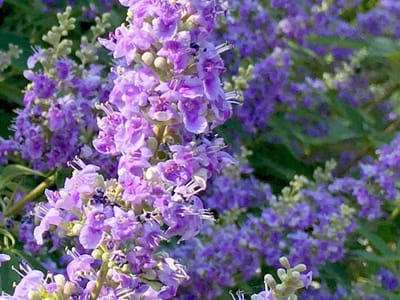
Real plants of this species grown and shared by the MyFloralVault community.

More in Hormonal Balance


Was this helpful?
0 · 0
Care Guide Available
Learn how to grow and care for Kacip Fatimah at home