Chinese Foxglove
Rehmannia Glutinosa
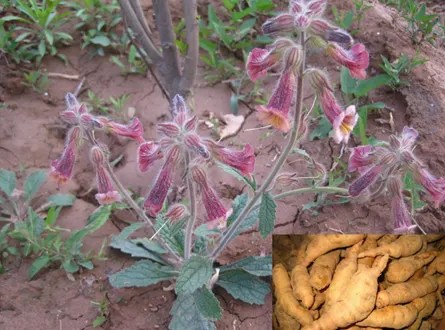
Medicinal Facts
Rehmannia glutinosa, known as Chinese Foxglove, is primarily recognized for its iridoid glycosides, such as catalpol and rehmannioside, which are pivotal in its medicinal applications. This herb sits at the intersection of Traditional Chinese Medicine (TCM), where it is a cornerstone for nourishing Yin and tonifying blood, and modern pharmacological research exploring its neuroprotective and anti-inflammatory effects. Its multifaceted role in both traditional practices and contemporary studies highlights its potential in addressing chronic conditions and metabolic disorders.
What it helps with
Neuroprotection & cognitive health
Catalpol, a major iridoid glycoside in Rehmannia, exhibits neuroprotective effects through the modulation of the PI3K/Akt signaling pathway, enhancing neuronal survival and reducing apoptosis. It also upregulates brain-derived neurotrophic factor (BDNF), supporting synaptic plasticity. Evidence from animal studies suggests potential benefits in neurodegenerative diseases such as Alzheimer's.
Inflammation & immune modulation
Rehmannia's anti-inflammatory properties are largely attributed to catalpol, which inhibits the NF-kB pathway, reducing the expression of pro-inflammatory cytokines like TNF-a and IL-6. This mechanism has been demonstrated in vitro and in animal models, indicating its role in managing chronic inflammatory conditions.
Diabetes & metabolic syndrome
Catalpol activates the AMPK pathway, enhancing glucose uptake and improving insulin sensitivity. It also modulates lipid metabolism by downregulating SREBP-1c, a transcription factor involved in lipogenesis. Animal studies support its potential in ameliorating hyperglycemia and dyslipidemia.
Kidney protection
Rehmannia is traditionally used in TCM for kidney health, and modern studies suggest catalpol reduces oxidative stress and apoptosis in renal cells by activating the Nrf2 pathway. This supports its use in chronic kidney disease models, with evidence primarily from animal studies.
Bone health
Rehmannia may support bone health by promoting osteoblast differentiation and inhibiting osteoclast activity. Catalpol enhances the expression of RUNX2, a key transcription factor for osteoblastogenesis, and reduces RANKL-induced osteoclastogenesis, as shown in vitro and in animal models.
Hematopoiesis & anemia
Rehmannia is traditionally used to nourish blood, and catalpol is thought to stimulate erythropoiesis by enhancing erythropoietin expression. This has been observed in animal models of anemia, aligning with its traditional use in TCM for blood deficiency.
Anti-aging & longevity
Rehmannia's potential anti-aging effects are linked to catalpol's activation of the SIRT1 pathway, which is involved in cellular stress resistance and longevity. This mechanism is supported by preclinical studies that demonstrate improved mitochondrial function and reduced oxidative damage.
Key active compounds
Catalpol
An iridoid glycoside that modulates PI3K/Akt and AMPK pathways, contributing to neuroprotection, anti-inflammatory, and metabolic effects. It is central to Rehmannia's pharmacological profile.
Rehmannioside
Another iridoid glycoside with potential anti-inflammatory and antioxidant properties, though less studied than catalpol. It may contribute to the herb's overall efficacy.
Acteoside
A phenylethanoid glycoside with antioxidant and anti-inflammatory activities, inhibiting the NF-kB pathway and scavenging free radicals.
Loganin
An iridoid glycoside that may support neuroprotection by modulating oxidative stress and inflammation, though its specific mechanisms in Rehmannia are less defined.
Stachyose
A prebiotic oligosaccharide that may support gut health by promoting beneficial microbiota, indirectly contributing to Rehmannia's systemic effects.
Rehmaglutin
A compound unique to Rehmannia, potentially contributing to its immunomodulatory effects, though specific pharmacological roles require further elucidation.
Rehmannia polysaccharides
Complex carbohydrates that may enhance immune function and exhibit antioxidant properties, relevant to the herb's traditional uses.
What the research says
Research on Rehmannia glutinosa predominantly focuses on its iridoid glycosides, with catalpol being the most extensively studied. Neuroprotection and metabolic regulation are key areas, with animal models showing promising results in neurodegenerative and metabolic disorders. Human data are limited, but traditional use supports its continued exploration. The primary limitation is the need for more clinical trials to validate preclinical findings. Bioavailability of catalpol and other active compounds is a concern, often addressed by using concentrated extracts or adjunct therapies to enhance absorption.
Typical dosage
For decoctions, use 9-15 grams of dried root per day, simmered in water for 30-45 minutes. Tinctures can be taken at a dose of 2-4 mL, three times daily. Capsules and powders typically provide 500-1000 mg per dose, taken 1-3 times daily. Adjustments may be necessary based on individual health needs and professional guidance.
About Chinese Foxglove
Traditional Use
Preparations & Dosage
Preparations
- Decoction: Combine 9-15 grams of dried Rehmannia root with 500 mL of water. Bring to a boil, then reduce heat and simmer for 30-45 minutes. Strain the liquid and drink warm. Can be consumed 1-2 times daily.
- Tincture: Use a 1:5 ratio of dried root to alcohol. Macerate for 4-6 weeks in a dark place, shaking occasionally. Strain and store in a dark bottle. Take 2-4 mL up to three times daily.
- Capsule: Use standardized Rehmannia root extract in capsule form. Take 500-1000 mg per dose, 1-3 times daily, with meals.
Interactions & Warnings
Use with caution
Rehmannia glutinosa should be used with caution in individuals with digestive issues, as it may cause mild gastrointestinal discomfort. Pregnant and breastfeeding women should consult a healthcare provider before use. It may interact with medications affecting blood sugar and blood pressure.
Herb Interactions
Both herbs may enhance adrenal function, potentially leading to overstimulation if used together in high doses.
Combining with ginseng may amplify immune-boosting effects, which could be excessive for individuals with autoimmune disorders.
Community Plants
Real plants of this species grown and shared by the MyFloralVault community.

More in Hormonal Balance



Was this helpful?
0 · 0
Care guides for related plants
Care Guide Available
Learn how to grow and care for Chinese Foxglove at home