Chinese Foxglove
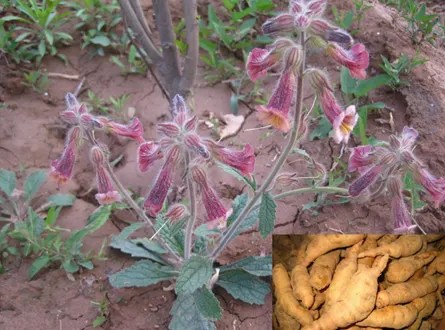
Description by @jominime
Rehmannia is a key herb for strengthening kidney function, often used in TCM (tradtional chinese medicine) for conditions like lower back pain, tinnitus, and fatigue associated with kidney deficiency.
often used to address imbalances between the kidneys and liver, such as dizziness, blurred vision, and menstrual irregularities.
It is incorporated into formulas for conditions like chronic kidney disease (CKD) to help improve kidney function and slow disease progression.
contains iridoid glycosides (e.g., catalpol and rehmannioside), reducing inflammation, oxidative stress, and fibrosis.
can enhance renal function by regulating blood flow to the kidneys and reducing proteinuria (excess protein in urine), a common marker of kidney damage.
can help lower elevated creatinine and blood urea nitrogen levels, markers of impaired kidney function.
helps improve blood quality and is commonly prescribed for anemia, dizziness, or irregular menstruation caused by blood deficiency.
highly valued for nourishing yin, addressing symptoms like night sweats, dry mouth, and hot flashes, especially in cases of yin deficiency in the kidneys and liver.
Anti-inflammatory.
has hepatoprotective properties, helping to protect the liver from damage and supporting its detoxifying functions.
used to help regulate blood sugar levels and may improve insulin sensitivity.
often included in adaptogenic formulas to help manage stress and balance adrenal function.
may promote bone health by improving mineral density and addressing osteoporosis.
Used traditionally for conditions like eczema or rashes.
Prepared Rehmannia (Shu Di Huang): Used for nourishing yin and blood.
Raw Rehmannia (Sheng Di Huang): Used for clearing heat and cooling the blood.
Related Plants
Plant information is for educational purposes only.