Saw Palmetto
Serenoa repens
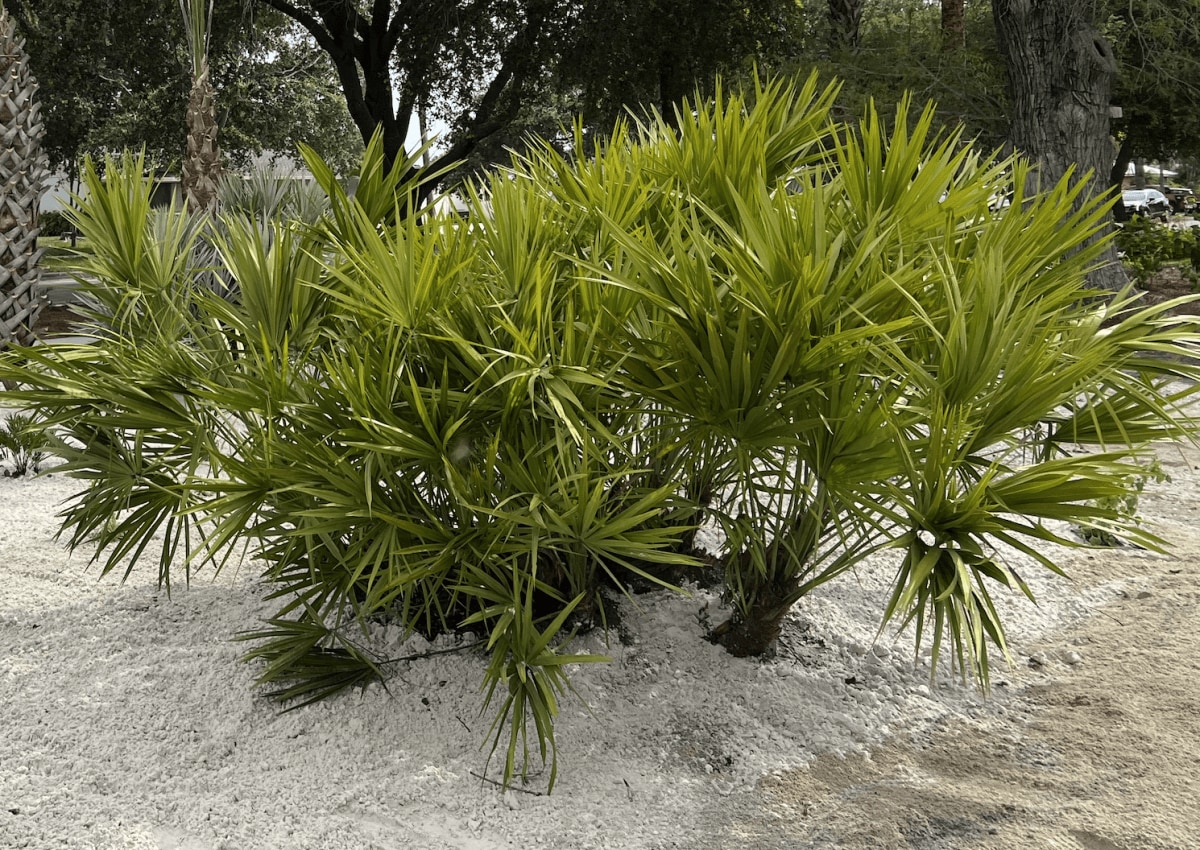
Medicinal Facts
Saw palmetto's therapeutic potential is largely attributed to its fatty acids and phytosterols, particularly its ability to inhibit 5-alpha-reductase, the enzyme that converts testosterone to DHT. This positions it at the intersection of traditional herbal medicine and modern urology, where it is recognized for its role in supporting prostate health and hair growth.
What it helps with
Benign prostatic hyperplasia (BPH)
Saw palmetto inhibits the 5-alpha-reductase enzyme, reducing DHT levels, which may alleviate urinary symptoms associated with BPH. Clinical studies suggest it can improve urinary flow and decrease nocturia.
Hormonal balance in men
By modulating testosterone and DHT levels, saw palmetto may support hormonal balance, potentially aiding in conditions like low libido or testosterone deficiency.
Hair loss (androgenetic alopecia)
Saw palmetto's inhibition of DHT is believed to help prevent hair loss in men and women, with some studies indicating improved hair density and growth.
Chronic inflammation
The anti-inflammatory properties of saw palmetto may benefit conditions characterized by inflammation, such as prostatitis, by inhibiting pro-inflammatory cytokines.
Urinary tract health
Traditionally used to support urinary function, saw palmetto may help maintain urinary tract health by promoting normal prostate function and reducing inflammation.
Key active compounds
Fatty acids
Inhibit 5-alpha-reductase, reducing DHT levels and supporting prostate health.
Phytosterols
Modulate hormonal activity and may have anti-inflammatory effects.
Beta-sitosterol
A specific phytosterol that has been shown to improve urinary symptoms associated with BPH.
Lignans
Compounds that may contribute to its anti-inflammatory and antioxidant properties.
Saponins
Bioactive compounds that may enhance the absorption of other beneficial components.
What the research says
Research on saw palmetto primarily focuses on its effects on prostate health and hair loss. Clinical trials indicate that it can significantly improve urinary symptoms in men with BPH, often comparable to pharmaceutical options but with fewer side effects. Studies also suggest its efficacy in promoting hair growth in androgenetic alopecia, although results can vary. The main limitation remains the variability in product quality and bioavailability, highlighting the importance of standardized extracts for effective use.
Typical dosage
For capsules, a common dosage is 160-320 mg taken twice daily. For tinctures, 1-2 mL can be taken 2-3 times daily. For tea, steep 1-2 teaspoons of dried berries in hot water for 10-15 minutes, consumed up to 3 times daily. Always consult with a healthcare provider before starting any new supplement.
About Saw Palmetto
Preparations & Dosage
Preparations
- Capsule: Take 160-320 mg of standardized saw palmetto extract, typically taken twice daily with meals.
- Tincture: Take 1-2 mL of saw palmetto tincture 2-3 times daily, preferably before meals.
- Tea / Infusion: Steep 1-2 teaspoons of dried saw palmetto berries in hot water for 10-15 minutes, strain and serve.
Interactions & Warnings
Use with caution
Saw palmetto can cause gastrointestinal upset, headache, and dizziness in some individuals. It may interact with blood-thinning medications and hormone therapies, so those on such treatments should consult a healthcare provider before use.
Herb Interactions
Both herbs may have blood-thinning effects, increasing the risk of bleeding.
May interfere with hormonal balance and effectiveness of hormonal medications.
Community Plants
Real plants of this species grown and shared by the MyFloralVault community.

More in Hormonal Balance


Was this helpful?
0 · 0
Care Guide Available
Learn how to grow and care for Saw Palmetto at home