Evening Primrose
Oenothera Pilosella
Medicinal Facts
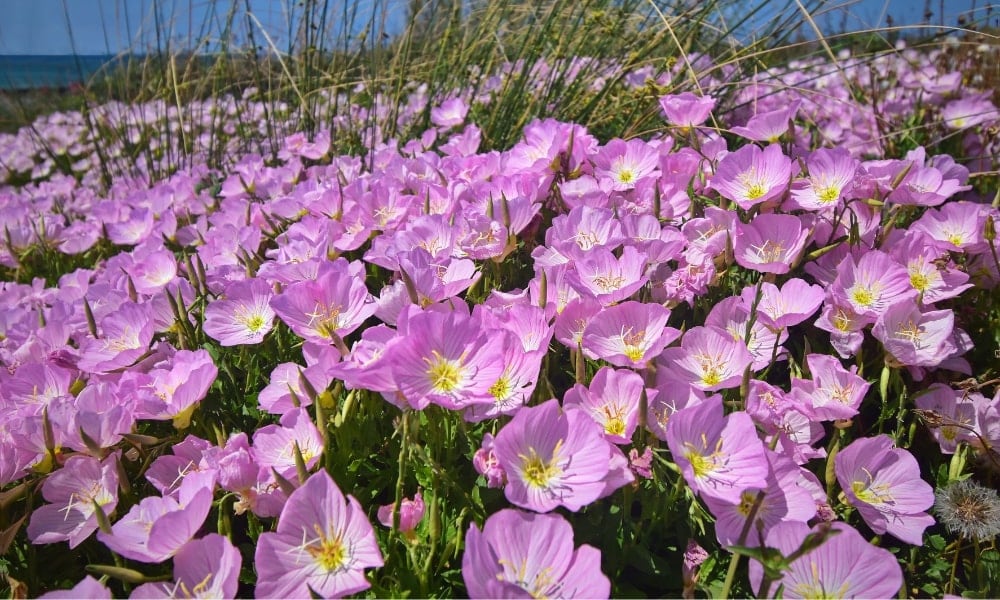
Evening Primrose, specifically Oenothera pilosella, is renowned for its gamma-linolenic acid (GLA) content, a rare omega-6 fatty acid with significant anti-inflammatory properties. This plant sits at the intersection of traditional Native American uses for skin and wound healing and contemporary research into lipid metabolism and inflammatory modulation. Its primary active compounds include GLA, which influences prostaglandin synthesis, and various polyphenols that contribute to its antioxidant profile. The plant's role in modern herbal medicine is heavily tied to its ability to modulate inflammatory pathways and support skin health.
What it helps with
Inflammatory skin conditions
GLA from evening primrose oil is converted to dihomo-gamma-linolenic acid (DGLA), which competes with arachidonic acid for cyclooxygenase (COX) and lipoxygenase (LOX) enzymes, reducing pro-inflammatory eicosanoids. Clinical trials show its efficacy in reducing symptoms of eczema and atopic dermatitis, with improvements in skin moisture and elasticity.
Hormonal balance & premenstrual syndrome (PMS)
GLA influences prostaglandin E1 (PGE1) synthesis, which may alleviate PMS symptoms by modulating inflammatory and hormonal pathways. Human trials suggest a reduction in breast tenderness and mood swings, though results can be variable and are often dependent on dosage and individual metabolic response.
Rheumatoid arthritis
GLA's conversion to anti-inflammatory DGLA can inhibit leukotriene B4 synthesis, a potent inflammatory mediator in rheumatoid arthritis. Some studies show modest improvements in pain and joint stiffness, though more robust human trials are needed to confirm long-term benefits.
Cardiovascular health
Evening primrose oil may support cardiovascular health by modulating lipid profiles. GLA has been shown to reduce LDL oxidation and improve endothelial function through the enhancement of nitric oxide production, though evidence is primarily from animal studies.
Neuropathic pain
GLA's role in modulating nerve conduction and reducing inflammation may provide relief in conditions like diabetic neuropathy. Some clinical evidence supports its use, with improvements in pain scores and nerve function tests, likely through modulation of inflammatory cytokines and nerve growth factors.
Osteoporosis
GLA may influence bone metabolism by modulating cytokine production and enhancing calcium absorption. Preliminary studies suggest potential benefits in bone density, particularly when combined with fish oil, though human data remain limited.
Chronic fatigue syndrome
The anti-inflammatory and membrane-stabilizing effects of GLA may offer symptomatic relief in chronic fatigue syndrome. While traditional use supports this, scientific evidence is largely anecdotal and requires further investigation to establish efficacy.
Key active compounds
Gamma-linolenic acid (GLA)
An omega-6 fatty acid that serves as a precursor to anti-inflammatory prostaglandins. It modulates COX and LOX pathways, reducing inflammatory eicosanoids. GLA's bioavailability is enhanced when consumed with other fatty acids.
Dihomo-gamma-linolenic acid (DGLA)
A metabolite of GLA, it competes with arachidonic acid for enzyme binding, reducing pro-inflammatory leukotrienes and prostaglandins. DGLA is crucial for the anti-inflammatory effects observed in evening primrose oil use.
Linoleic acid
A precursor to GLA, linoleic acid is an essential fatty acid that supports skin barrier function and cellular membrane integrity. It requires enzymatic conversion to GLA, which can be limited by various factors including age and metabolic health.
Phenolic acids
These compounds contribute to the antioxidant capacity of evening primrose, scavenging free radicals and protecting cellular structures from oxidative damage. They may synergize with fatty acids to enhance overall anti-inflammatory effects.
Flavonoids
Present in the plant's leaves and flowers, flavonoids provide additional antioxidant and anti-inflammatory benefits, potentially enhancing the therapeutic effects of GLA through modulation of signaling pathways like NF-kB.
Tocopherols
Natural forms of vitamin E found in evening primrose oil, tocopherols enhance the oil's stability and provide additional antioxidant benefits, protecting lipids from oxidative damage.
Phytosterols
These compounds contribute to the modulation of cholesterol absorption and may support cardiovascular health by influencing lipid metabolism.
What the research says
Research on evening primrose oil is largely focused on its GLA content and the resulting effects on inflammatory pathways. Human trials have shown promise in treating skin conditions like eczema and hormonal imbalances associated with PMS, though results can vary widely. The strongest evidence supports its use in dermatological applications, with mixed results in arthritis and neuropathic pain. The primary limitation in research is the variability in individual metabolic conversion of GLA to DGLA, which affects efficacy. Formulations often pair evening primrose oil with other fatty acids or antioxidants to enhance bioavailability and therapeutic outcomes.
Typical dosage
For oil or capsule forms, a common dosage is 500 mg to 1,300 mg of Evening Primrose Oil daily, often divided into two doses. For topical applications, apply a small amount of oil directly to the affected skin area once or twice daily. When preparing a tea or infusion, use 1-2 teaspoons of dried Evening Primrose flowers per cup of boiling water, steep for 5-10 minutes, and consume up to twice daily. Always start with the lowest dose to assess tolerance.
About Evening Primrose
Traditional Use
Preparations & Dosage
Preparations
- Oil: Apply a small amount of Evening Primrose Oil directly to the skin or take orally as directed. For skin application, gently massage into the affected area until absorbed.
- Capsule: Take Evening Primrose Oil capsules with water, preferably with meals to enhance absorption.
- Topical application: For skin issues, apply a few drops of Evening Primrose Oil to the affected area and massage gently until fully absorbed.
- Tea / Infusion: Steep 1-2 teaspoons of dried Evening Primrose flowers in a cup of boiling water for 5-10 minutes. Strain and drink warm.
Interactions & Warnings
Use with caution
Evening Primrose Oil may interact with anticoagulant medications and should be used cautiously by individuals with bleeding disorders. Pregnant or breastfeeding women should consult a healthcare provider before use. High doses can cause gastrointestinal upset or headaches.
Herb Interactions
Both have blood-thinning effects, which may increase bleeding risk when combined.
Community Plants
Real plants of this species grown and shared by the MyFloralVault community.

More in Hormonal Balance



Was this helpful?
0 · 0
Care Guide Available
Learn how to grow and care for Evening Primrose at home