Cauliflower Fungus
Sparassis Crispa

Medicinal Facts
Sparassis crispa, commonly known as the cauliflower fungus, is renowned for its unique polysaccharides, particularly beta-glucans, which are at the forefront of both traditional Asian medicine and modern immunomodulatory research. It bridges the worlds of traditional practices, where it is used for enhancing immunity and supporting digestion, and contemporary studies focusing on its anti-inflammatory and anti-cancer properties. The fungus is also noted for its antimicrobial and neuroprotective potential, making it a subject of diverse scientific inquiry.
What it helps with
Immune modulation
Beta-glucans in Sparassis crispa activate macrophages and dendritic cells through the Dectin-1 receptor, enhancing the innate immune response. This mechanism is supported by both in vitro studies and animal models, showing increased cytokine production and enhanced phagocytic activity. Human trials are limited but suggest potential for immune support.
Anti-cancer properties
Polysaccharides from Sparassis crispa have been shown to induce apoptosis in cancer cells by activating caspase pathways and inhibiting NF-kB signaling. These effects have been observed in vitro and in animal studies, suggesting a role in adjunct cancer therapy. However, clinical evidence in humans is still in its early stages.
Anti-inflammatory effects
The fungus contains compounds that inhibit the COX-2 enzyme and reduce pro-inflammatory cytokines like TNF-a and IL-6. This action has been demonstrated in animal models, where it alleviates symptoms of inflammatory diseases. Further research is needed to confirm these effects in humans.
Antimicrobial activity
Sparassis crispa exhibits antimicrobial properties, attributed to its phenolic compounds, which disrupt bacterial cell walls and inhibit microbial enzymes. This has been demonstrated in vitro against a range of bacterial strains, though human studies are lacking.
Neuroprotection
Beta-glucans from Sparassis crispa may support neuroprotection by modulating oxidative stress and inflammation in neural tissues. Animal studies show reduced neuroinflammation and oxidative damage, suggesting potential benefits in neurodegenerative conditions.
Digestive health
Traditionally used to support digestion, Sparassis crispa's polysaccharides may enhance gut health by modulating gut microbiota and improving mucosal immunity. This is supported by preliminary animal studies, though human evidence is limited.
Skin health
The fungus's antioxidant and anti-inflammatory properties may support skin health by reducing oxidative stress and inflammation. In vitro studies suggest potential for use in skincare, though clinical trials are needed to validate these effects.
Key active compounds
Beta-glucans
These polysaccharides are the primary active compounds, known for their ability to modulate the immune system by interacting with the Dectin-1 receptor on immune cells. They enhance phagocytosis and cytokine production, crucial for immune defense.
Phenolic compounds
These compounds exhibit antimicrobial and antioxidant properties by disrupting microbial cell walls and scavenging free radicals. They contribute to the fungus's protective effects against pathogens and oxidative stress.
Sparassol
A unique compound isolated from Sparassis crispa, noted for its potential anti-cancer activity by inducing apoptosis in cancer cells. It is still under investigation for its full pharmacological profile.
Ergosterol
A sterol component that contributes to the fungus's antioxidant capacity and is a precursor to vitamin D2. It may play a role in the neuroprotective effects observed in studies.
Polysaccharides
Beyond beta-glucans, other polysaccharides in Sparassis crispa may support gut health by modulating the microbiota and enhancing mucosal immunity. They are a focus of digestive health research.
Terpenoids
These compounds may contribute to the anti-inflammatory and antimicrobial activities of the fungus. They modulate inflammatory pathways and enhance the overall bioactivity of the extract.
What the research says
Research on Sparassis crispa is primarily focused on its immunomodulatory and anti-cancer properties. Beta-glucans have the strongest evidence base, with studies in animal models demonstrating enhanced immune responses and potential anti-tumor effects. Phenolic compounds and terpenoids contribute to its antimicrobial and anti-inflammatory activities, though these are mostly supported by in vitro studies. The main limitation in current research is the scarcity of human clinical trials, which are needed to confirm the efficacy and safety of Sparassis crispa in therapeutic applications. Efforts to enhance bioavailability and standardize extracts are ongoing to facilitate more robust clinical investigations.
Typical dosage
For decoctions, use about 10-15 grams of dried Sparassis crispa per 500 ml of water, simmer for 30-40 minutes, and consume up to twice daily. In powder form, a typical dosage is 1-2 grams per day, mixed with water or juice. Capsules are often standardized to contain specific amounts of beta-glucans; follow manufacturer instructions, usually 500 mg to 1 gram per day. For extracts, follow the specific product guidelines, as concentrations can vary.
About Cauliflower Fungus
Traditional Use
Preparations & Dosage
Preparations
- Decoction: Use 10-15 grams of dried Sparassis crispa. Add to 500 ml of water, bring to a boil, then simmer for 30-40 minutes. Strain and consume warm.
- Powder: Grind dried Sparassis crispa into a fine powder. Use 1-2 grams daily, mixed with water, juice, or smoothies.
- Capsule: Follow manufacturer instructions. Typically, take 500 mg to 1 gram per day with meals.
- Extract: Use as directed on the product label, as concentrations vary. Often taken in small doses, such as 10-20 drops in water.
Interactions & Warnings
Use with caution
Sparassis crispa should be consumed with caution as it may cause allergic reactions in some individuals. Those with mushroom allergies or sensitivities should avoid it. Pregnant or breastfeeding women should consult a healthcare provider before use.
Herb Interactions
Both herbs may enhance immune function, potentially leading to overstimulation of the immune system if used together excessively.
Community Plants
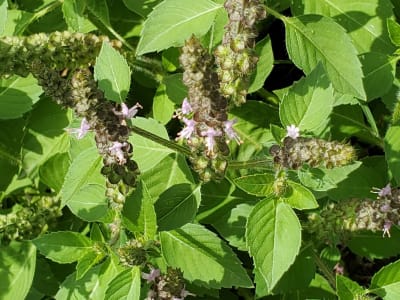
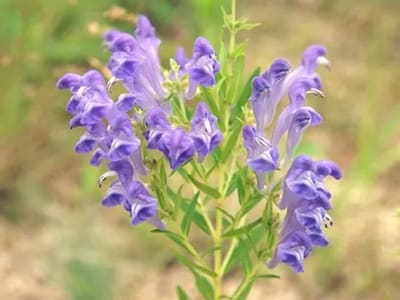
Real plants of this species grown and shared by the MyFloralVault community.

More in Immune Support





Was this helpful?
0 · 0