Calico Plant
Alternanthera Bettzickiana
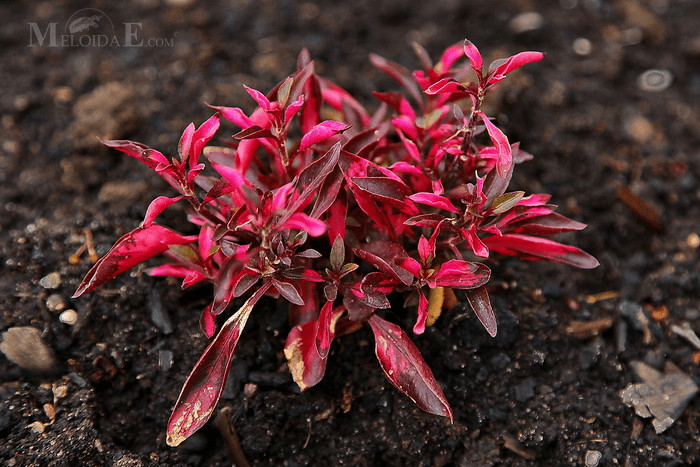
Medicinal Facts
Alternanthera bettzickiana, commonly known as the Calico Plant, is rich in flavonoids and saponins, which are key to its medicinal properties. It stands at the intersection of traditional ethnobotanical uses in South America, where it is employed for its anti-inflammatory and wound-healing properties, and modern phytochemical research exploring its antioxidant and antimicrobial activities. Its vibrant foliage is not only ornamental but also a source of bioactive compounds that are increasingly studied for their health-promoting potential.
What it helps with
Inflammation
The flavonoids in Alternanthera bettzickiana, such as quercetin, inhibit the NF-kB pathway, which reduces the production of pro-inflammatory cytokines like TNF-a and IL-6. This action is supported by traditional use in South American herbal medicine for treating inflammatory conditions. Preclinical studies demonstrate significant anti-inflammatory effects, although human trials are needed to confirm efficacy.
Antioxidant support
Alternanthera bettzickiana contains high levels of phenolic compounds that activate the Nrf2 pathway, enhancing the expression of antioxidant enzymes like superoxide dismutase (SOD) and catalase. This mechanism helps neutralize free radicals and protect cells from oxidative stress, with evidence primarily from in vitro studies.
Wound healing
Saponins and flavonoids in the plant promote wound healing by enhancing collagen synthesis and fibroblast proliferation, likely through TGF-beta signaling. Traditional applications include topical use for cuts and abrasions, supported by animal studies showing accelerated wound closure.
Antimicrobial activity
The plant's essential oils and saponins exhibit antimicrobial properties by disrupting bacterial cell membranes and inhibiting microbial enzymes. This has been demonstrated in vitro against common pathogens like Staphylococcus aureus and Escherichia coli, although clinical applications are still under investigation.
Diabetes management
Research suggests that the plant's saponins may enhance insulin sensitivity and modulate glucose metabolism through the AMPK pathway. While animal studies show promising results in lowering blood glucose levels, human studies are necessary to validate these effects.
Cardiovascular health
The antioxidant properties of Alternanthera bettzickiana, particularly from its flavonoids, may contribute to cardiovascular health by reducing oxidative stress and improving endothelial function via eNOS activation. Preliminary studies indicate potential benefits, but more extensive research is required.
Gastrointestinal health
Traditionally used for digestive issues, the plant's saponins and flavonoids may protect the gastrointestinal tract by modulating gut flora and reducing inflammation through COX-2 inhibition. Evidence is largely anecdotal, with scientific validation still in progress.
Key active compounds
Quercetin
A flavonoid that inhibits NF-kB and modulates inflammatory cytokines. It also acts as a potent antioxidant by scavenging free radicals and upregulating Nrf2-dependent pathways.
Saponins
These glycosides exhibit surface-active properties, disrupting microbial membranes and enhancing the bioavailability of other compounds. They also modulate immune responses and support wound healing.
Phenolic compounds
These include various acids and flavonoids that activate the Nrf2 pathway, boosting cellular antioxidant defenses. They are crucial for the plant's overall antioxidant capacity.
Essential oils
Comprising terpenoids and other volatile compounds, these oils exhibit antimicrobial activity by targeting bacterial cell walls and enzymes.
Kaempferol
A flavonoid with anti-inflammatory and antioxidant properties, it inhibits pro-inflammatory pathways and enhances cellular antioxidant defenses.
Beta-sitosterol
A phytosterol that may play a role in modulating cholesterol levels and supporting cardiovascular health by inhibiting cholesterol absorption in the intestines.
What the research says
Research on Alternanthera bettzickiana primarily focuses on its anti-inflammatory and antioxidant properties, with flavonoids like quercetin and kaempferol showing strong preclinical evidence. Animal studies highlight its potential in wound healing and diabetes management through modulation of key pathways like NF-kB and AMPK. However, human clinical trials are sparse, limiting definitive conclusions about its efficacy in these areas. The main limitation is the lack of standardized extracts and bioavailability data, which are crucial for translating preclinical findings into clinical applications. Future studies should aim at developing bioavailability-enhanced formulations and conducting rigorous human trials to validate its traditional uses and explore new therapeutic potentials.
Typical dosage
Due to the lack of substantial medicinal use and scientific research, there are no standardized dosage guidelines for Alternanthera Bettzickiana. If used traditionally, a poultice can be made by crushing the leaves and applying them directly to the skin. For decoctions or infusions, a small amount of leaves can be simmered in water, but these should be used cautiously and not ingested without professional guidance.
About Calico Plant
Traditional Use
Preparations & Dosage
Preparations
- Poultice: Crush fresh leaves to release their juices and apply directly to the affected skin area. Cover with a clean cloth or bandage to hold the poultice in place.
- Decoction: Simmer a handful of leaves in water for 15-20 minutes. Strain and allow to cool before applying externally.
Interactions & Warnings
Use with caution
Alternanthera Bettzickiana is generally considered safe for ornamental use. There is limited information on its medicinal use, so it should be used cautiously for any health-related purposes. Pregnant or breastfeeding women should consult a healthcare provider before use.
Community Plants
Real plants of this species grown and shared by the MyFloralVault community.

More in General




Was this helpful?
0 · 0