Calico Plant
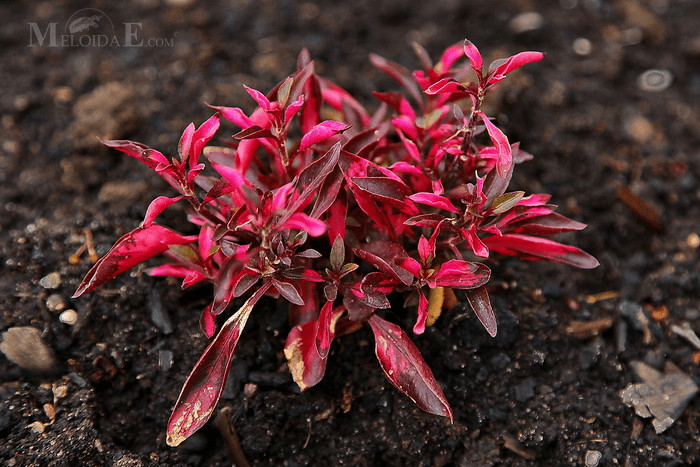
Description by @jominime
remedy for treating arthritis.
for arthritis, this plant lowers swelling and joint damage. it protects proteins from damage better than diclofenac (the prescription painkiller for arthritis). Thai healers have been using it for arthritis for generations.
leaf extracts kill colon, lung, breast, liver, and cervical (HeLa) cancer cells. the main active compound (apigenin) basically flips a switch that makes cancer cells self-destruct.
a silver nanoparticle formulation of the extract showed enhanced activity. the plant's compounds are used to make and stabilize the nanoparticles simultaneously.
this plant teaches your own liver to make more of its own antioxidants instead of just dumping antioxidants into your body.
raises liver antioxidant enzyme levels. it directly counteracts the liver damage that tends to creep in after estrogen drops. useful for women going through or past menopause.
this plant does something rare, it kills cancer cells AND protects healthy cells at the same time. the cancer-killer is apigenin, the healthy-cell-protector is quercetin.
could be especially useful alongside chemo, where you want to wipe out cancer without trashing the rest of your body.
antibacterial - kills a range of common bacteria the same way most plant tannins do, by tearing holes in the bacterial cell wall.
the red and pink pigments in the leaves are the same compounds plants use to protect themselves from UV damage, and they do the same thing for human skin. it's basically a three-layer skin defense: blocks dark spot formation, neutralizes UV-generated free radicals, and protects skin cell membranes with two forms of vitamin E.. the flower extract blocks the enzyme that makes your skin produce dark spots.
concentrated extracts carry some mutagenicity risk at high doses, so culinary use is safer than supplementation.
Related Plants
Plant information is for educational purposes only.