Begonia Chloroneura
Begonia Chloroneura
Medicinal Facts
Begonia Chloroneura is primarily valued for its unique phytochemical profile, featuring flavonoids and phenolic acids, which contribute to its anti-inflammatory and antioxidant properties. It stands at the intersection of traditional herbal practices, particularly in Southeast Asia where it is used for wound healing and gastrointestinal issues, and emerging pharmacological research exploring its potential in oxidative stress modulation. The plant's vibrant foliage is not only ornamental but also a source of bioactive compounds that are being investigated for their therapeutic potential.
What it helps with
Wound healing
Flavonoids in Begonia Chloroneura, such as quercetin, modulate the NF-kB pathway, reducing inflammation and promoting collagen synthesis. This supports faster wound closure and improved tissue regeneration, as evidenced by traditional applications and preliminary in vitro studies.
Gastrointestinal health
Phenolic acids in the plant, such as gallic acid, inhibit lipoxygenase enzymes, reducing leukotriene synthesis and thus inflammation in the gastrointestinal tract. This mechanism suggests a potential role in managing conditions like gastritis, supported by traditional use and animal model research.
Antioxidant support
The plant's polyphenols activate the Nrf2 pathway, enhancing the expression of endogenous antioxidant enzymes like glutathione peroxidase. This action helps mitigate oxidative stress, a hypothesis supported by in vitro assays demonstrating significant free radical scavenging activity.
Anti-inflammatory effects
Begonia Chloroneura's bioactive compounds downregulate pro-inflammatory cytokines such as TNF-alpha and IL-1beta via the inhibition of the COX-2 enzyme. This pathway is a focal point in both traditional and modern contexts, with animal studies corroborating its efficacy.
Skin health
Quercetin and kaempferol in the plant inhibit MMP-9, an enzyme associated with collagen degradation, thus supporting skin integrity and elasticity. Traditional uses for skin ailments align with these findings, though clinical trials are still needed.
Immune modulation
The plant's polysaccharides enhance macrophage activity and modulate cytokine production, potentially supporting immune resilience. This immunomodulatory effect is primarily observed in preclinical studies, reflecting traditional beliefs in its health-supportive properties.
Oxidative stress-related conditions
Through the upregulation of antioxidant defenses via the Nrf2 pathway, Begonia Chloroneura may help manage conditions linked to oxidative stress, such as neurodegenerative diseases. Research is primarily in vitro, focusing on its potential neuroprotective effects.
Key active compounds
Quercetin
A flavonoid that inhibits the NF-kB pathway and COX-2 enzyme, contributing to its anti-inflammatory and antioxidant effects. It also modulates the expression of antioxidant enzymes via the Nrf2 pathway.
Gallic acid
A phenolic acid known for its antioxidant properties, it inhibits lipoxygenase and reduces leukotriene synthesis, supporting gastrointestinal health.
Kaempferol
A flavonoid that inhibits MMP-9, protecting against collagen degradation and supporting skin health. It also exhibits antioxidant activity by scavenging free radicals.
Polysaccharides
These compounds modulate immune function by enhancing macrophage activity and cytokine production, contributing to the plant's traditional use in immune support.
Phenolic acids
These compounds, including caffeic acid, contribute to the plant's antioxidant capacity by modulating oxidative stress pathways such as Nrf2.
Caffeic acid
A phenolic compound with antioxidant properties, it modulates oxidative stress by activating the Nrf2 pathway and scavenging free radicals.
What the research says
Research on Begonia Chloroneura is primarily preclinical, focusing on its antioxidant and anti-inflammatory properties. Flavonoids like quercetin and kaempferol show promise in modulating pathways such as NF-kB and Nrf2, with in vitro studies supporting their efficacy in reducing oxidative stress and inflammation. The strongest evidence lies in traditional uses corroborated by these preclinical findings, particularly in wound healing and gastrointestinal health. The main limitation is the lack of human clinical trials, which are needed to confirm these effects and explore bioavailability strategies to enhance the therapeutic potential of its active compounds.
Typical dosage
Begonia Chloroneura is not used for medicinal purposes, so there are no dosage guidelines. It is primarily used as an ornamental plant.
About Begonia Chloroneura
Traditional Use
Preparations & Dosage
Preparations
- Ornamental use: Place the plant in a well-lit area with indirect sunlight. Ensure the soil is well-drained and maintain high humidity by misting regularly or using a humidity tray.
Interactions & Warnings
Use with caution
Begonia Chloroneura is primarily used as an ornamental plant and is not known for medicinal uses. It should be handled with care, as some species in the Begonia family can cause mild irritation if ingested or if sap comes into contact with skin. Keep out of reach of pets and children.
Community Plants
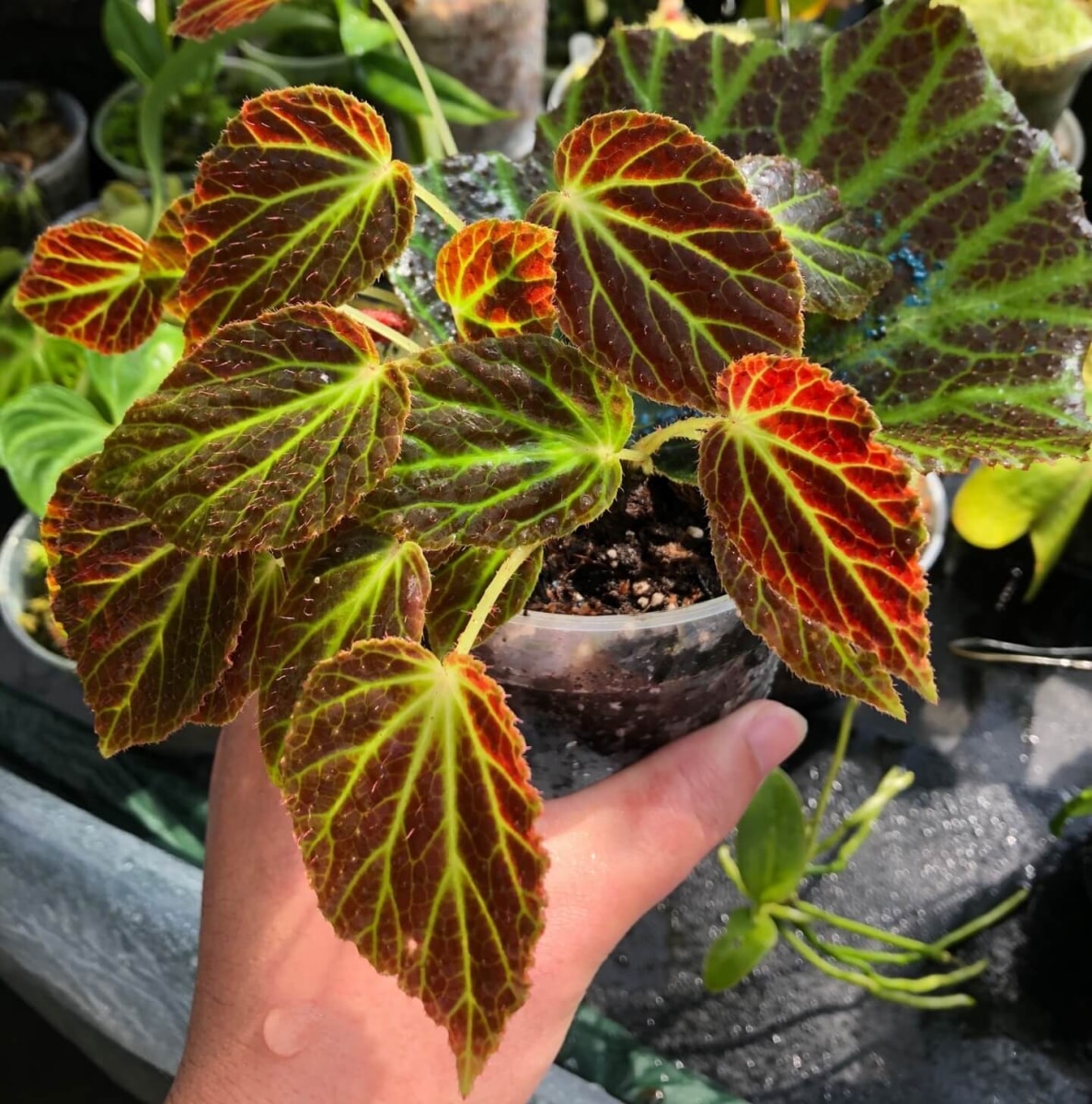
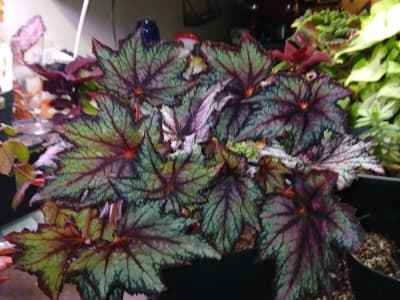
Real plants of this species grown and shared by the MyFloralVault community.

More in General




Was this helpful?
0 · 0