Astragalus
Astragalus Mongholicus
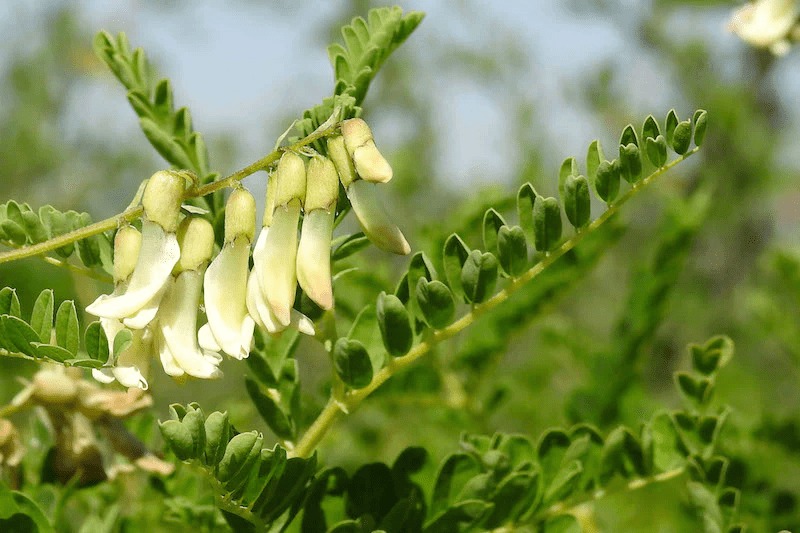
Medicinal Facts
Astragalus Mongholicus, commonly known as Astragalus, is renowned for its immunomodulatory and adaptogenic properties, primarily attributed to its polysaccharides and saponins, particularly astragaloside IV. It stands at the intersection of Traditional Chinese Medicine, where it is a key component for vitality and immune support, and modern pharmacological research focusing on telomerase activation and oxidative stress reduction. Its broad therapeutic potential is explored in contexts ranging from immune enhancement to cardiovascular protection.
What it helps with
Immune system support
Astragalus polysaccharides enhance immune function by promoting macrophage activation and cytokine production, particularly interleukin-6 (IL-6) and tumor necrosis factor-alpha (TNF-alpha). This immunomodulatory effect is supported by both traditional use and preclinical studies, with some human trials indicating increased resistance to common colds.
Longevity & cellular aging
Astragaloside IV is noted for its ability to activate telomerase (TERT), which helps maintain telomere length and cellular lifespan. This mechanism is a focal point in anti-aging research, with in vitro studies showing promising results, although human evidence is still developing.
Cardiovascular health
Astragaloside IV and related saponins improve endothelial function by enhancing nitric oxide (NO) production and reducing oxidative stress via the Nrf2 pathway. Animal studies suggest a protective effect against atherosclerosis and hypertension, with some small human studies supporting improved lipid profiles.
Chronic fatigue
The adaptogenic properties of astragalus are linked to its ability to modulate the hypothalamic-pituitary-adrenal (HPA) axis, reducing cortisol levels and enhancing energy metabolism. This is primarily supported by traditional use and animal studies, with limited but promising human data.
Inflammation & oxidative stress
Astragalus polysaccharides inhibit the NF-kB pathway, reducing pro-inflammatory cytokines and oxidative stress markers. This broad anti-inflammatory action is validated in animal models and aligns with traditional uses for inflammatory conditions.
Kidney health
Astragalus is traditionally used to support kidney function, with astragaloside IV showing protective effects against nephrotoxicity through the modulation of TGF-beta signaling and reduction of renal fibrosis in animal models.
Diabetes management
Astragaloside IV enhances insulin sensitivity and reduces hyperglycemia by modulating the PI3K/Akt signaling pathway. Preclinical studies support its use as an adjunct in diabetes management, though human trials are limited.
Key active compounds
Astragaloside IV
A triterpenoid saponin that activates telomerase and enhances nitric oxide production. It is critical for cardiovascular and anti-aging effects, although its bioavailability is a challenge.
Astragalus polysaccharides
Complex carbohydrates that modulate immune responses and inhibit NF-kB, contributing to anti-inflammatory and antioxidant effects.
Isoflavonoids
Compounds with antioxidant properties that support vascular health by enhancing endothelial function and reducing oxidative stress.
Flavonoids
Polyphenolic compounds that provide additional antioxidant and anti-inflammatory benefits, often working synergistically with saponins.
Choline
A nutrient that supports liver function and lipid metabolism, contributing to the adaptogenic and metabolic effects of astragalus.
Betaine
An amino acid derivative that aids in reducing homocysteine levels, supporting cardiovascular health.
Astramembranin
A unique compound contributing to the herb's adaptogenic properties by modulating stress responses.
What the research says
Research on Astragalus Mongholicus emphasizes its immunomodulatory and anti-aging potential. Astragaloside IV is the most studied compound, with preclinical evidence supporting its role in telomerase activation and cardiovascular protection. Human trials are more limited but suggest benefits in immune enhancement and cardiovascular health. The primary limitation is the poor bioavailability of astragaloside IV, which is being addressed through formulation improvements such as liposomal delivery systems and co-administration with absorption enhancers.
Typical dosage
For tea or infusion, use 1-2 teaspoons of dried root per cup of boiling water, steep for 10-15 minutes, and drink up to three times daily. Tinctures can be taken at a dose of 2-4 ml, three times a day. Capsules typically contain 400-500 mg of standardized extract, taken 1-2 times daily. Powders can be mixed into smoothies or food, with a typical dose of 1-2 grams per day. Decoctions involve simmering 10-15 grams of dried root in water for 20-30 minutes, consumed up to twice daily.
About Astragalus
Traditional Use
Preparations & Dosage
Preparations
- Tea / Infusion: Use 1-2 teaspoons of dried Astragalus root per cup of boiling water. Steep for 10-15 minutes, strain, and drink. Add honey or lemon for taste if desired.
- Tincture: Take 2-4 ml of Astragalus tincture, diluted in a small amount of water or juice, up to three times daily.
- Capsule: Take 400-500 mg of standardized Astragalus extract in capsule form, 1-2 times daily with meals.
- Powder: Mix 1-2 grams of Astragalus powder into smoothies, yogurt, or food. Consume once daily.
- Decoction: Simmer 10-15 grams of dried Astragalus root in 2 cups of water for 20-30 minutes. Strain and drink.
Interactions & Warnings
Use with caution
Astragalus is generally considered safe for most people when used appropriately. However, it should be avoided by individuals with autoimmune diseases, as it may stimulate the immune system. Pregnant or breastfeeding women should consult a healthcare provider before use.
Herb Interactions
Both herbs stimulate the immune system, which may be beneficial or excessive depending on the individual's health condition.
Combining with licorice may enhance the adaptogenic and immune-boosting effects, but caution is advised for individuals with hypertension.
Community Plants
Real plants of this species grown and shared by the MyFloralVault community.

More in Immune Support





Was this helpful?
0 · 0
Care Guide Available
Learn how to grow and care for Astragalus at home