Bacteria
7 entries
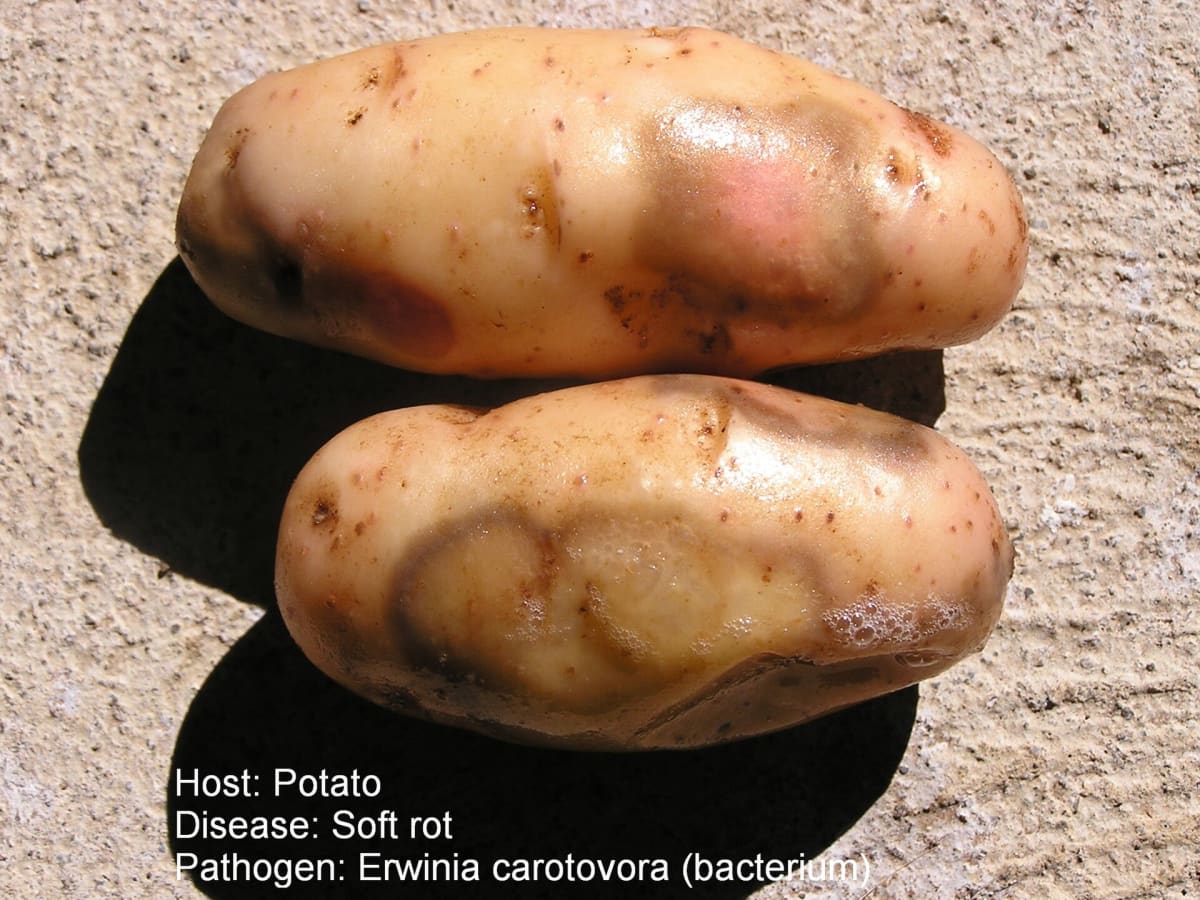
Bacterial soft rot
Pectobacterium carotovorum
Bacterial soft rot is a plant disease caused by Pectobacterium carotovorum, characterized by the breakdown of plant tissues into a watery, mushy consistency. It primarily affects vegetables like potatoes, carrots, and cucumbers, leading to significant crop losses if not managed properly.
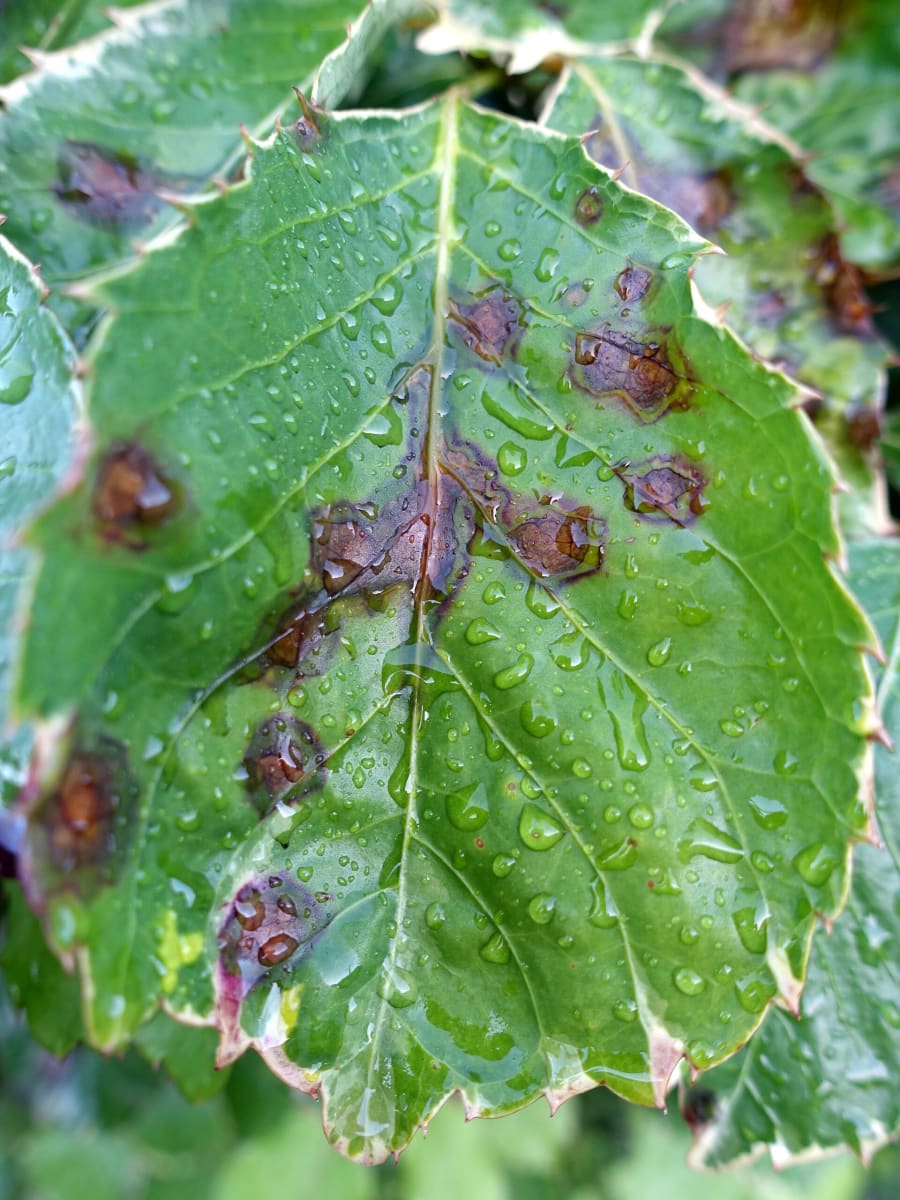
Bacterial blight
Pseudomonas syringae
Bacterial blight, caused by Pseudomonas syringae, is a serious disease affecting a wide range of plants. It manifests as water-soaked lesions on leaves, stems, and fruits, which may turn brown or black and lead to defoliation and plant decline.
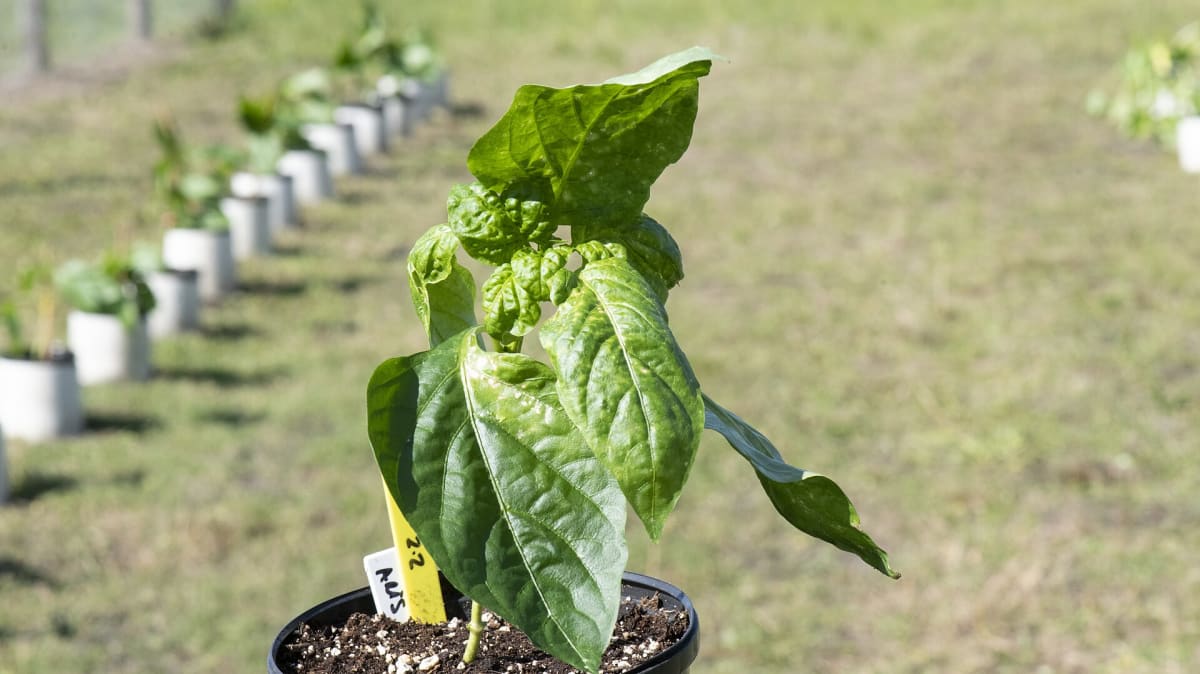
Bacterial leaf spot
Xanthomonas campestris
Bacterial leaf spot, caused by Xanthomonas campestris, is a common disease affecting a wide range of plants. It manifests as small, water-soaked spots on leaves that eventually turn brown or black, often surrounded by a yellow halo. While it can cause significant cosmetic damage, it is generally manageable with proper cultural practices.
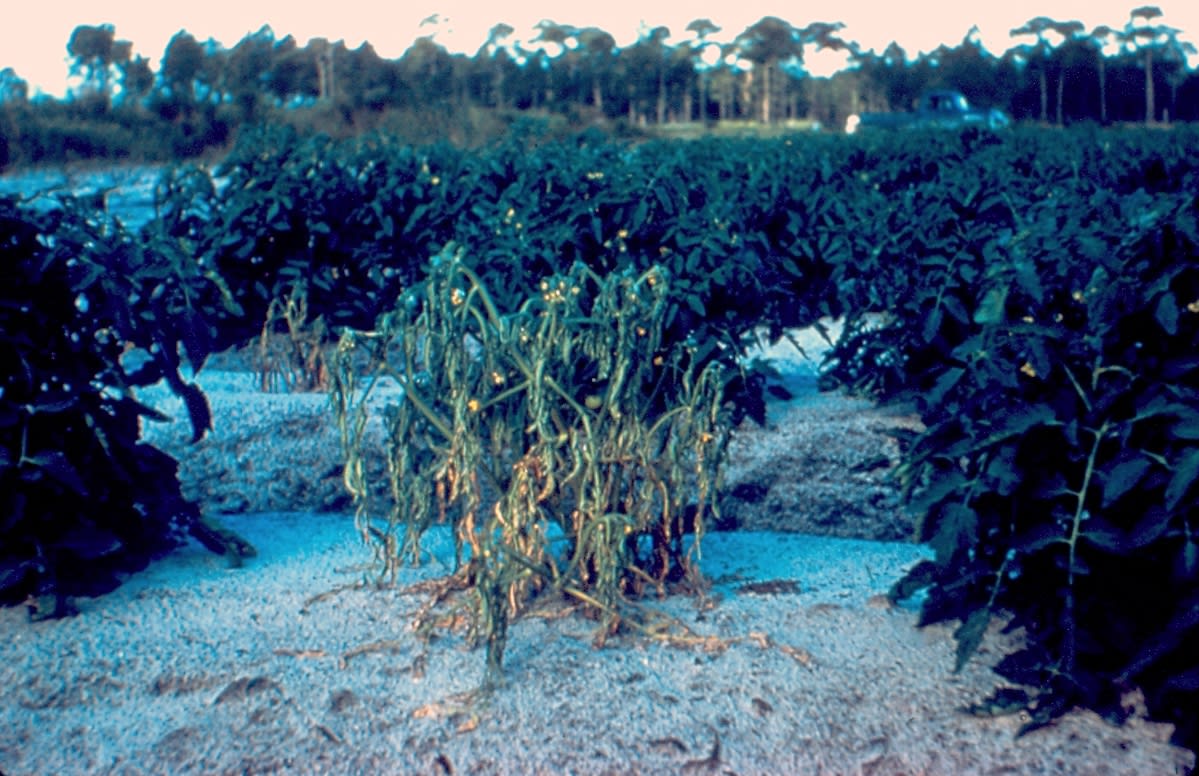
Bacterial wilt
Ralstonia solanacearum
Bacterial wilt is a serious plant disease caused by the bacterium Ralstonia solanacearum, which leads to wilting and eventual death of the plant. It is characterized by sudden wilting of leaves and stems, often without any yellowing or spotting, making it difficult to detect until significant damage has occurred.
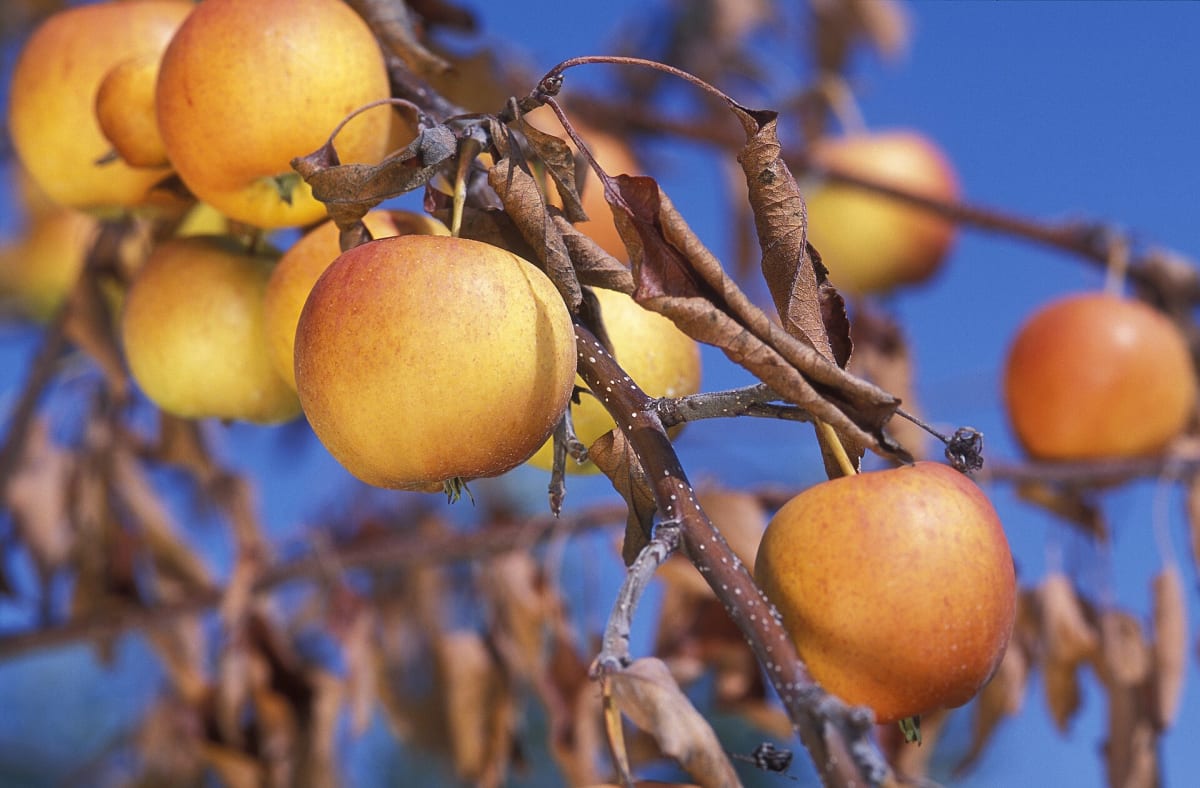
Fire blight
Erwinia amylovora
Fire blight is a serious bacterial disease affecting plants in the Rosaceae family, caused by Erwinia amylovora. It is characterized by the blackening and wilting of blossoms, shoots, and branches, giving the appearance of being scorched by fire.

Aster yellows
Candidatus Phytoplasma asteris
Aster yellows is a plant disease caused by the phytoplasma Candidatus Phytoplasma asteris. It affects a wide range of plants, causing symptoms such as yellowing leaves, stunted growth, and distorted flowers. The disease is primarily spread by leafhoppers, which transmit the pathogen as they feed on plant sap.
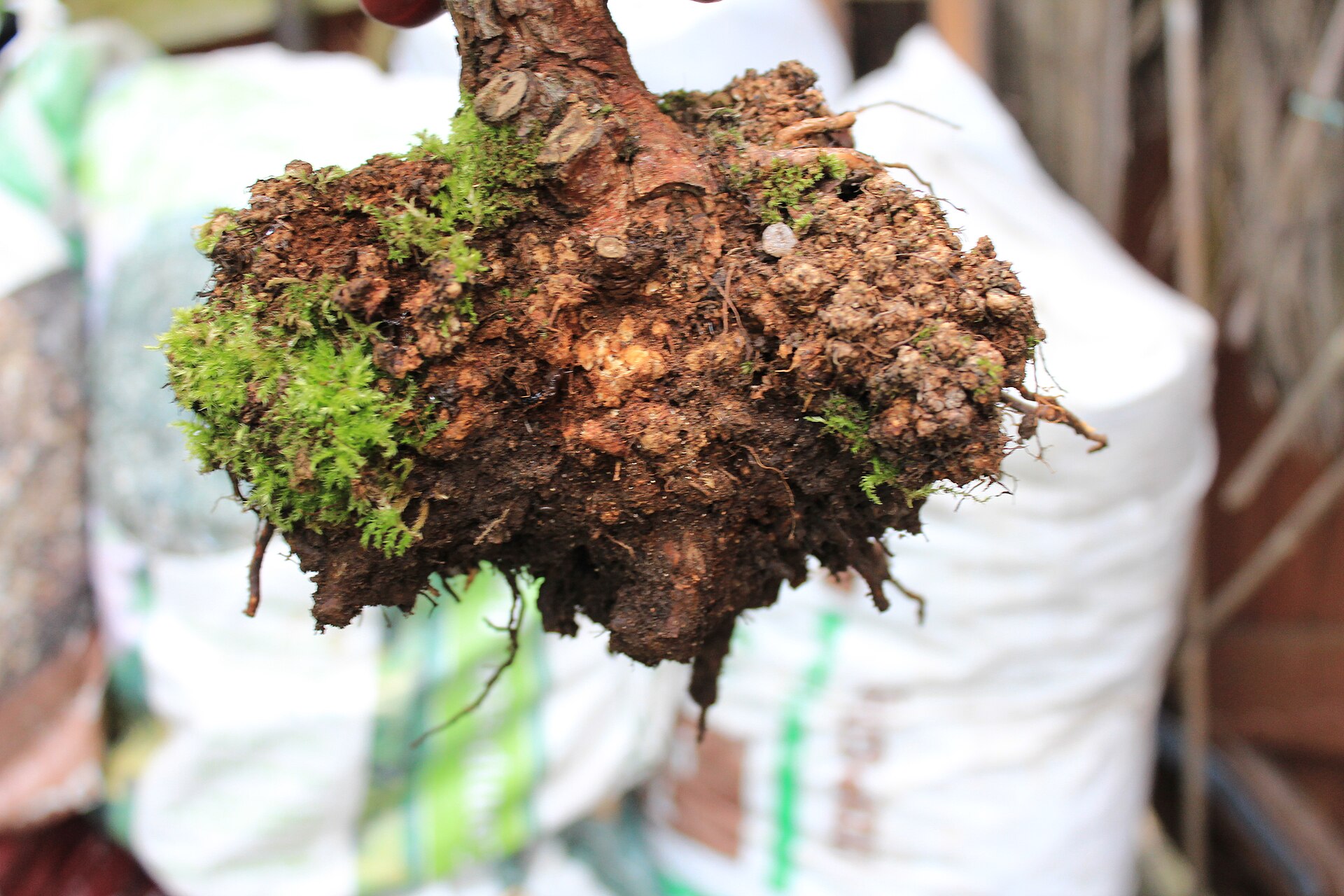
Crown gall
Agrobacterium tumefaciens
Crown gall is a plant disease caused by the bacterium Agrobacterium tumefaciens, characterized by tumor-like swellings, or galls, on the stems and roots of infected plants. These galls can disrupt the plant's vascular system, leading to stunted growth and reduced vigor.