Bacterial wilt
Bacterial wilt is a serious plant disease caused by the bacterium Ralstonia solanacearum, which leads to wilting and eventual death of the plant. It is characterized by sudden wilting of leaves and stems, often without any yellowing or spotting, making it difficult to detect until significant damage has occurred.
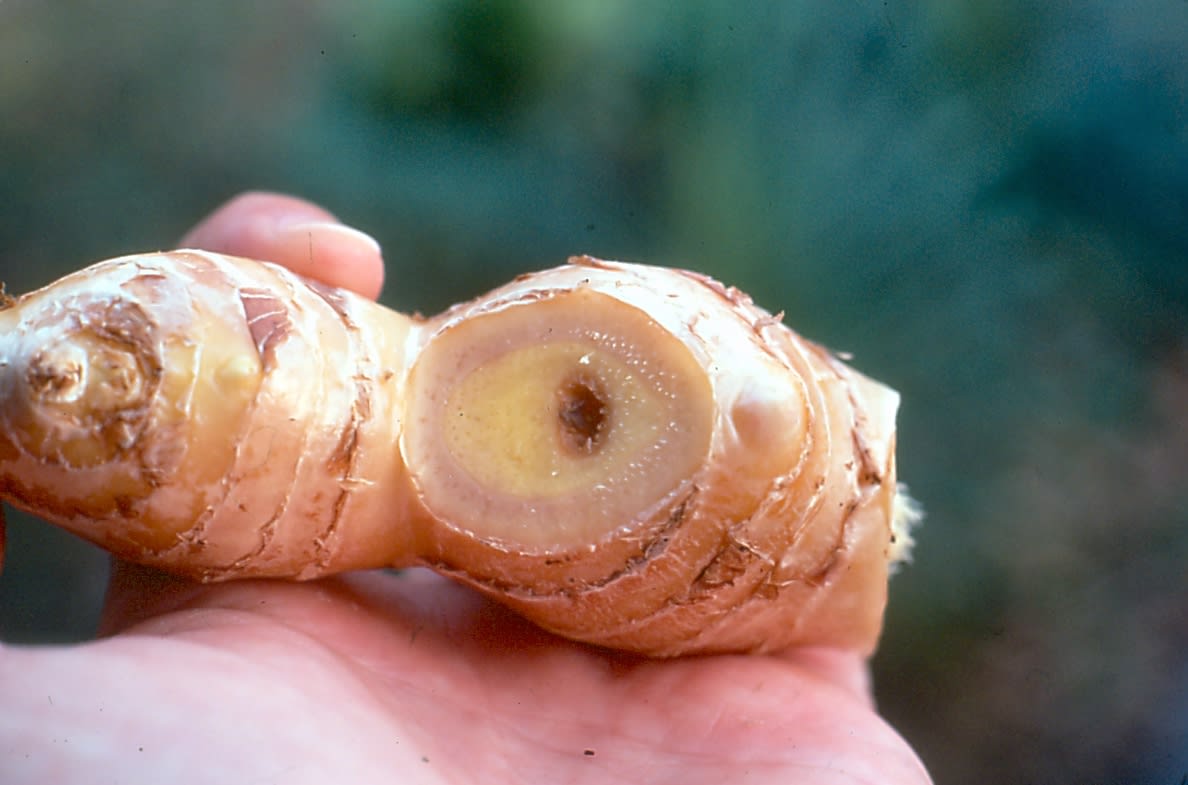
About this problem
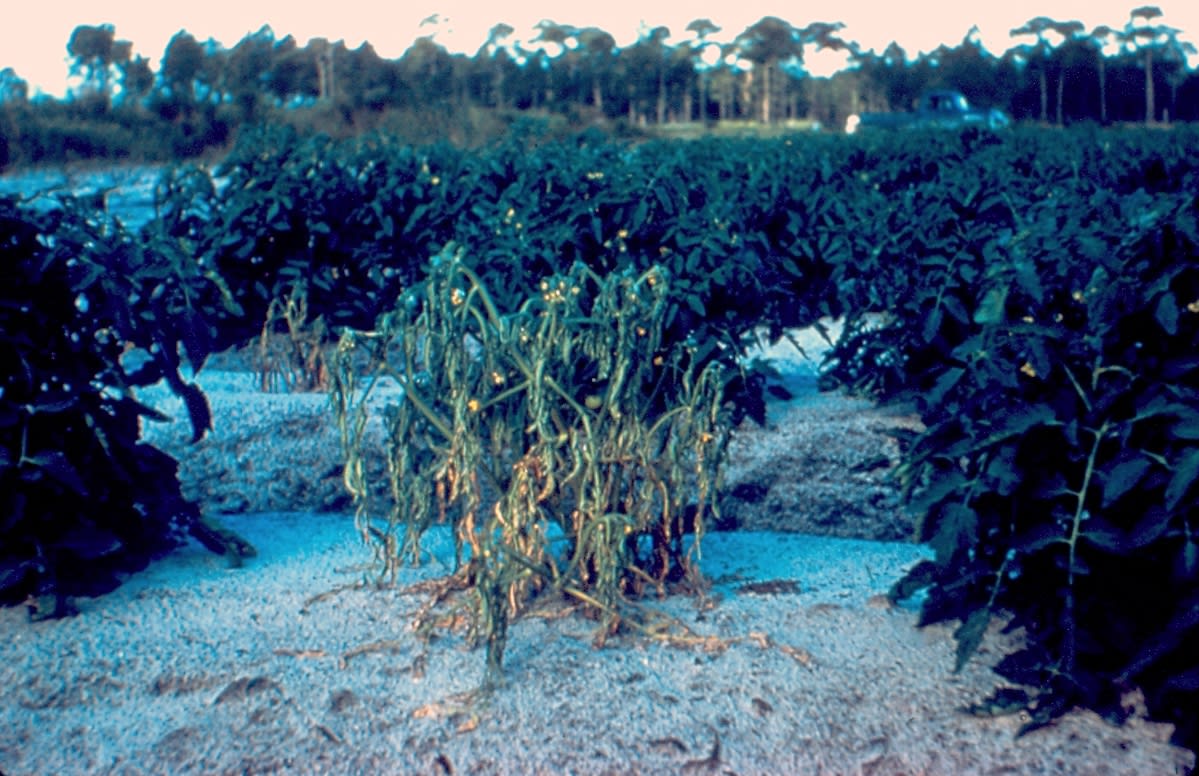
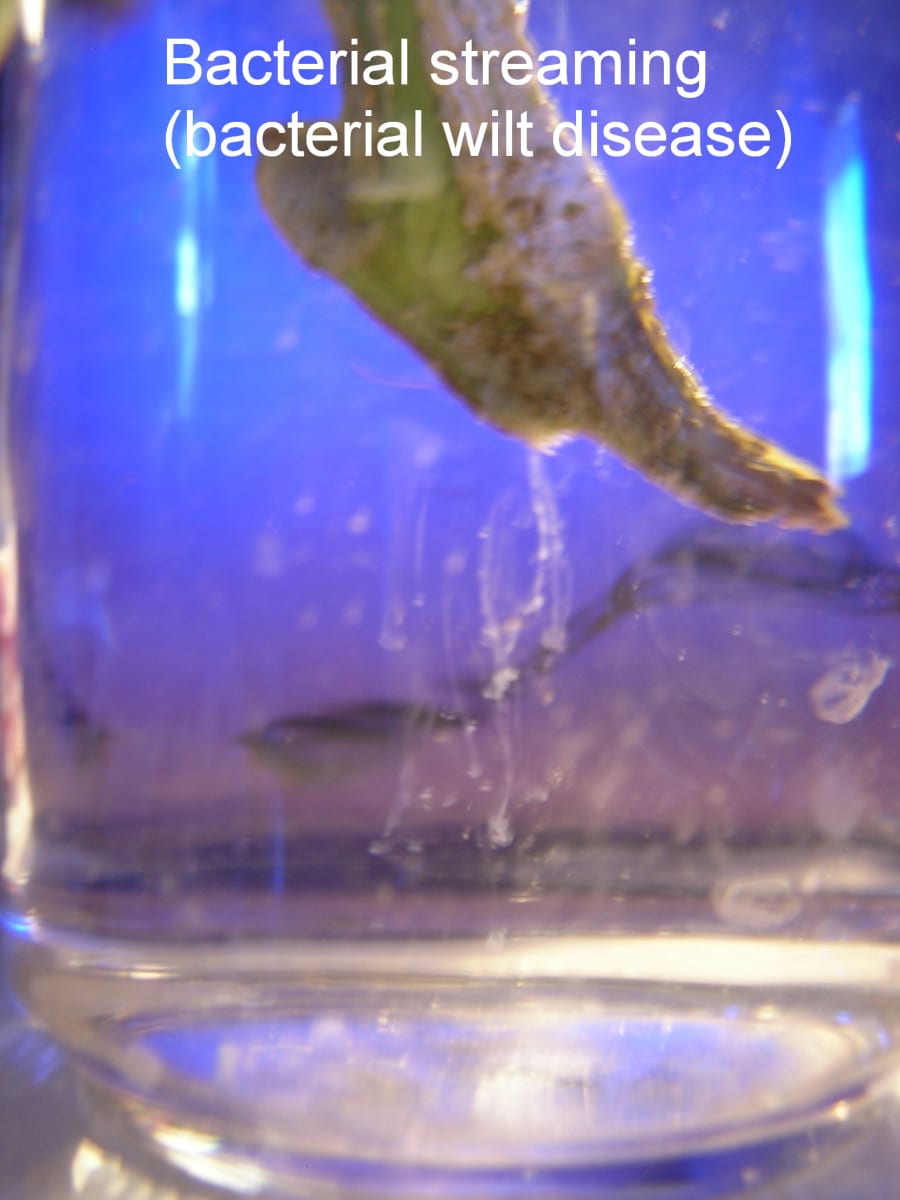
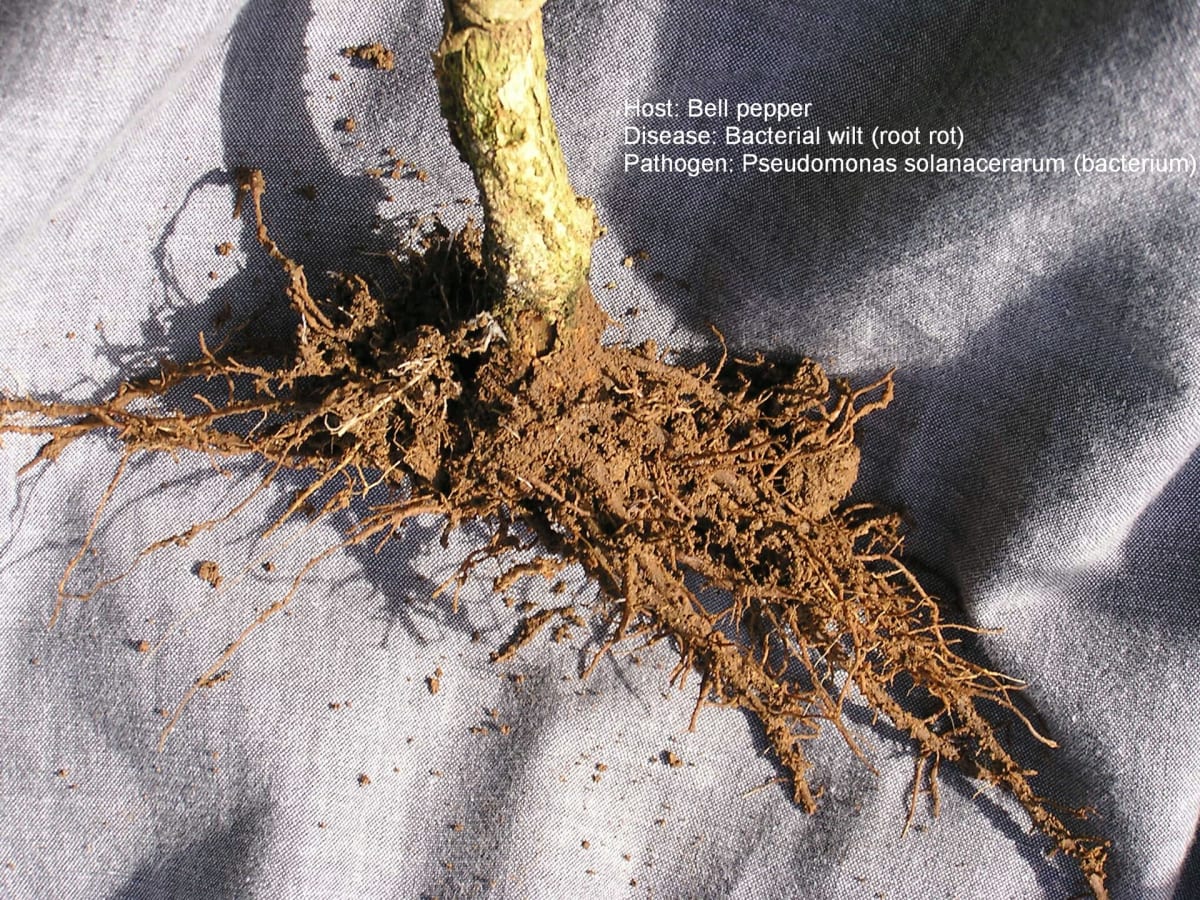
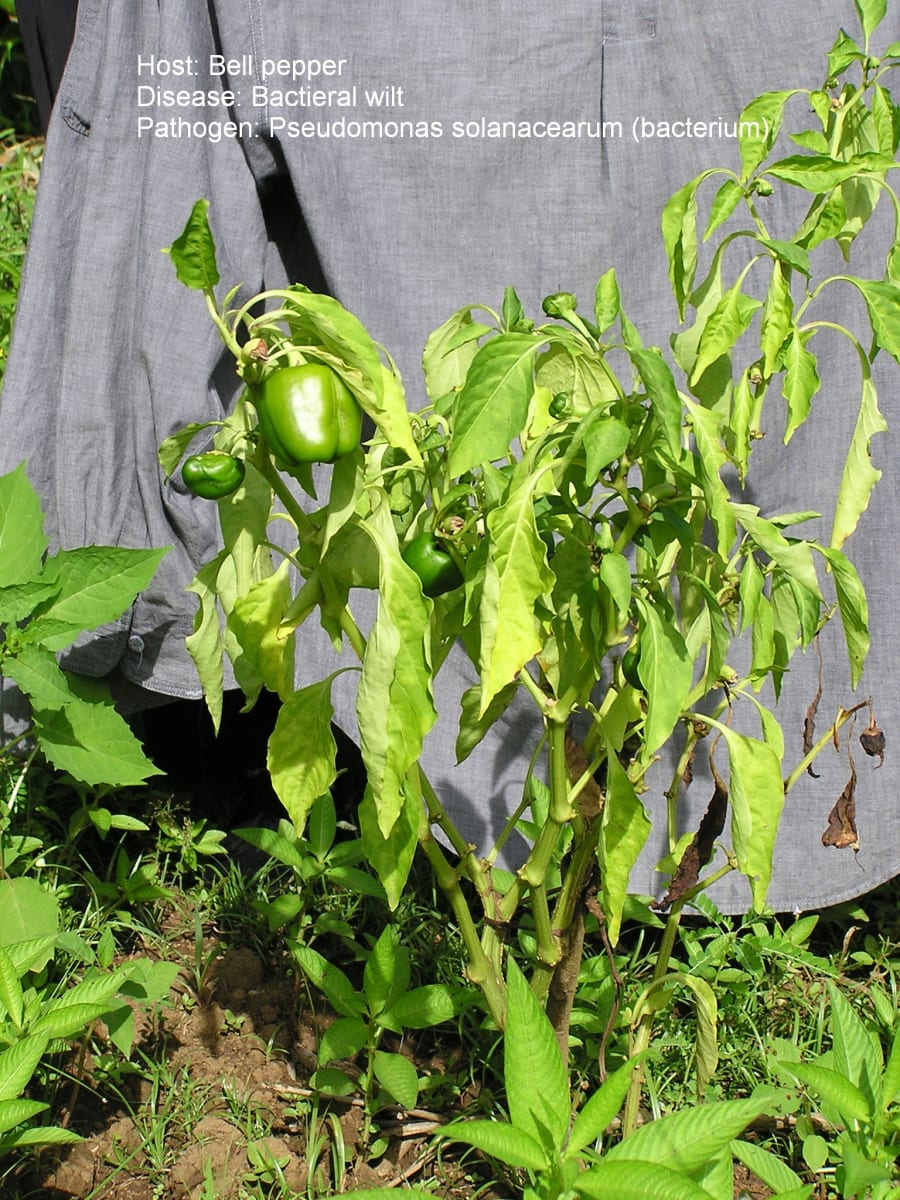
Bacterial wilt, caused by Ralstonia solanacearum, is a devastating disease affecting a wide range of host plants, particularly in warm, humid climates. The bacterium enters the plant through the roots and colonizes the vascular system, blocking water transport and causing the plant to wilt. Initially, growers may notice a slight wilting of the upper leaves during the hottest part of the day, which may recover overnight. As the disease progresses, wilting becomes more pronounced and permanent, leading to plant death. The disease can be confused with other wilts, such as fusarium or verticillium wilt, but can be distinguished by cutting the stem and observing a milky bacterial ooze. Bacterial wilt is particularly challenging to manage due to its ability to persist in the soil and plant debris, making crop rotation and sanitation critical components of control strategies.
Symptoms
- Sudden wilting of leaves and stems
- Permanent wilting
- Milky ooze from cut stems
- Plant death
Cause
Bacterial wilt is caused by the bacterium Ralstonia solanacearum. It thrives in warm, moist environments and can persist in the soil, water, and plant debris.
Conditions that favour it
- Warm temperatures
- High humidity
- Poor drainage
- Infected soil or water
Lifecycle and spread
Ralstonia solanacearum spreads through contaminated soil, water, and infected plant material. It can overwinter in the soil and plant debris, making it difficult to eradicate. Crop rotation and removal of infected plant material can help break the cycle.
Plants most affected
- Tomato
- Potato
- Eggplant
- Pepper
- Banana
- Geranium
- Tobacco
- Groundnut
- Ginger
- Heliconia
Treatment
Educational information only, and not a substitute for professional diagnosis. Identify the problem before treating it, and check that any product is registered for this plant and this use where you live.
Cultural control
- Improve soil drainage
- Remove and destroy infected plants
- Practice crop rotation
- Avoid planting susceptible crops in infested areas
Organic options
- Neem oil
- Compost tea
- Garlic extract
Chemical options
- Copper hydroxide Used to reduce bacterial populations
Read and follow the product label. The label is the legally binding instruction. Confirm the product is registered for this plant and for this use in your area before applying it.
Prevention
- Use resistant plant varieties
- Ensure proper sanitation of tools and equipment
- Avoid overwatering
- Monitor for early signs of wilting
- Implement strict crop rotation practices