Crown gall
Crown gall is a plant disease caused by the bacterium Agrobacterium tumefaciens, characterized by tumor-like swellings, or galls, on the stems and roots of infected plants. These galls can disrupt the plant's vascular system, leading to stunted growth and reduced vigor.
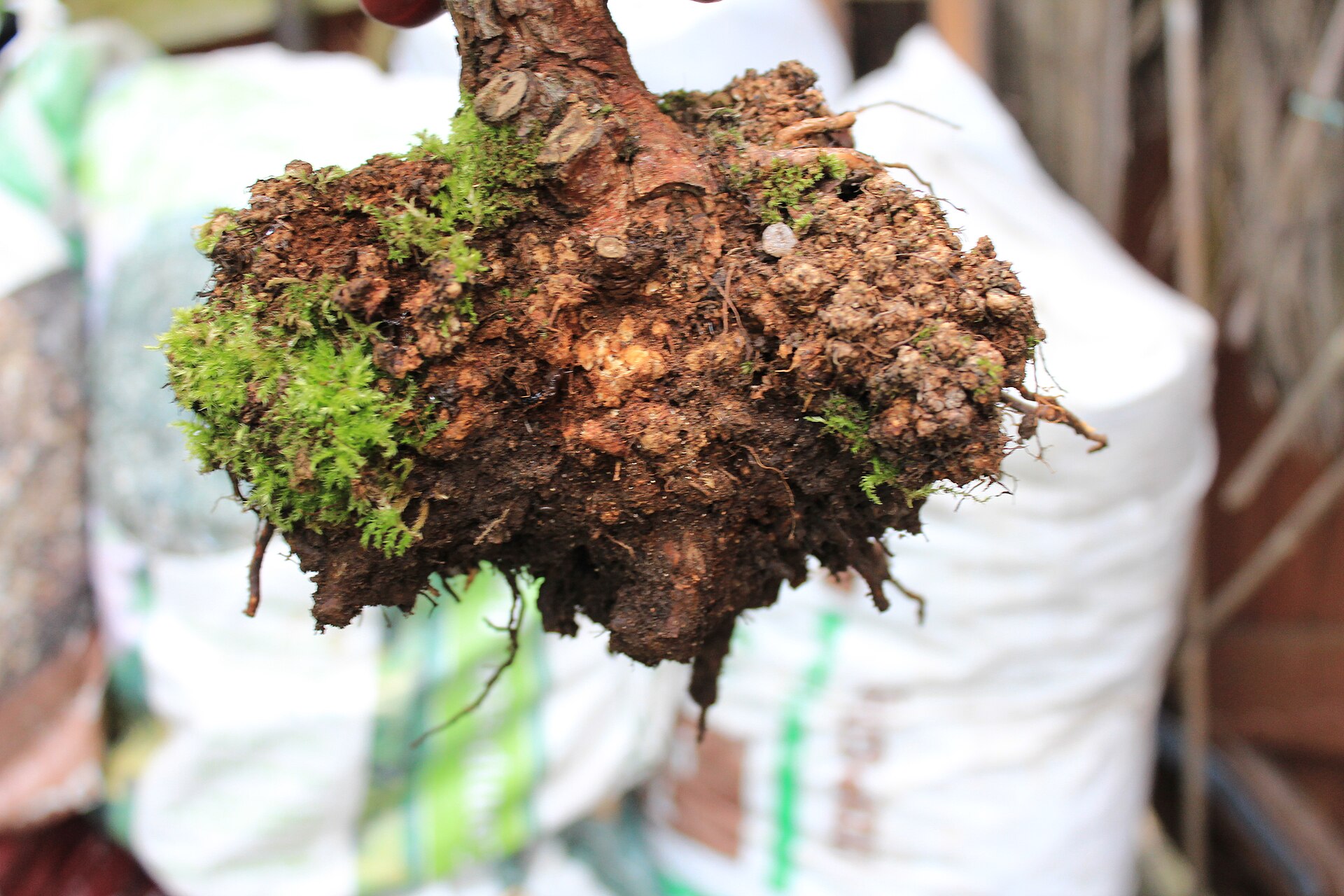
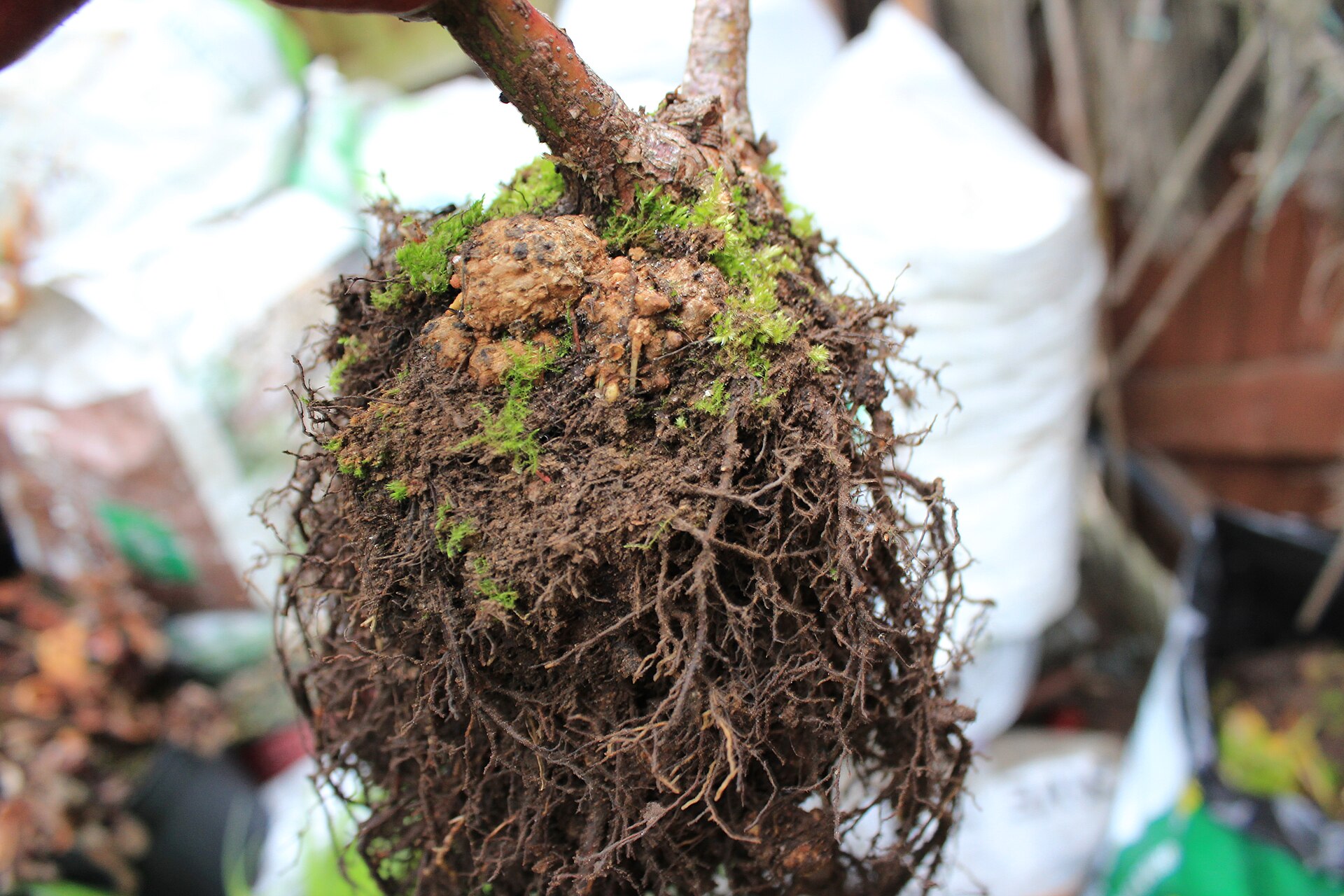
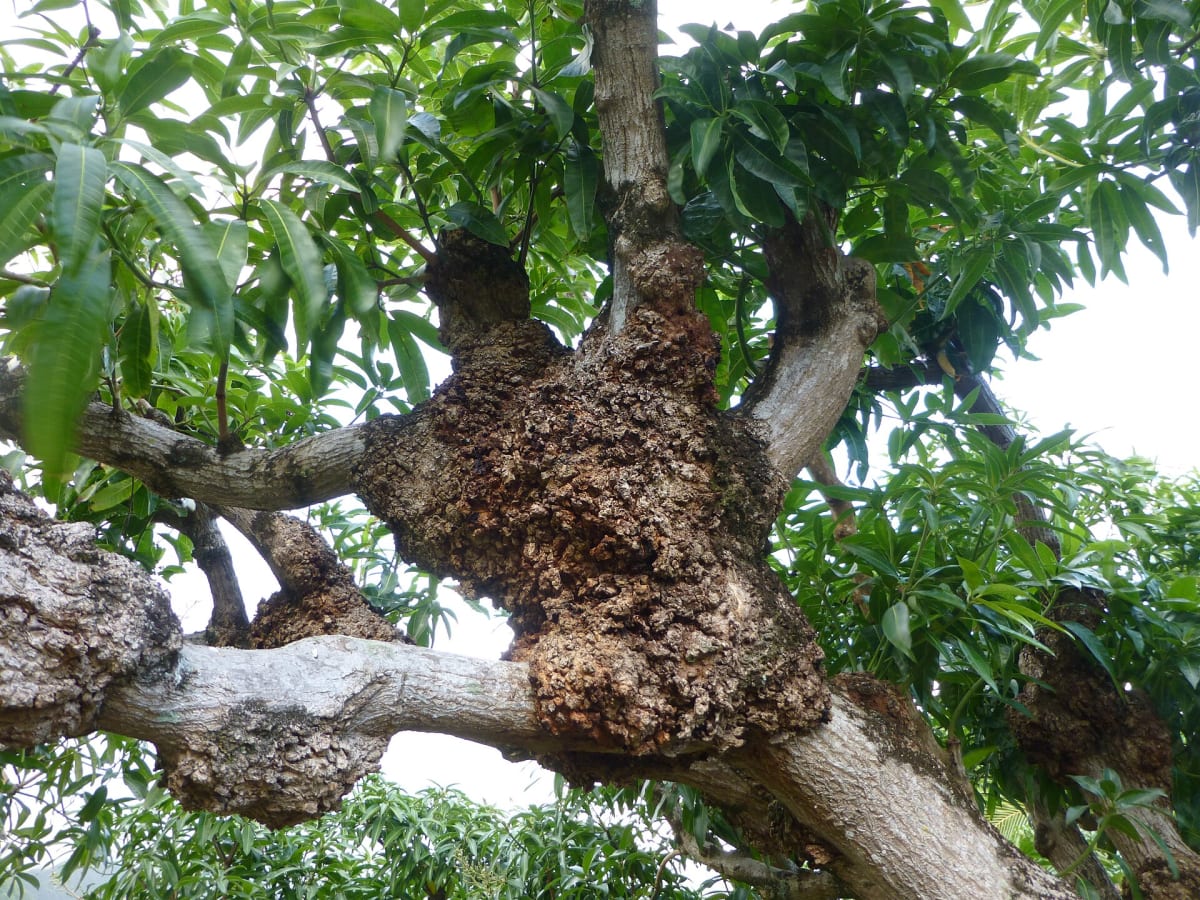
About this problem
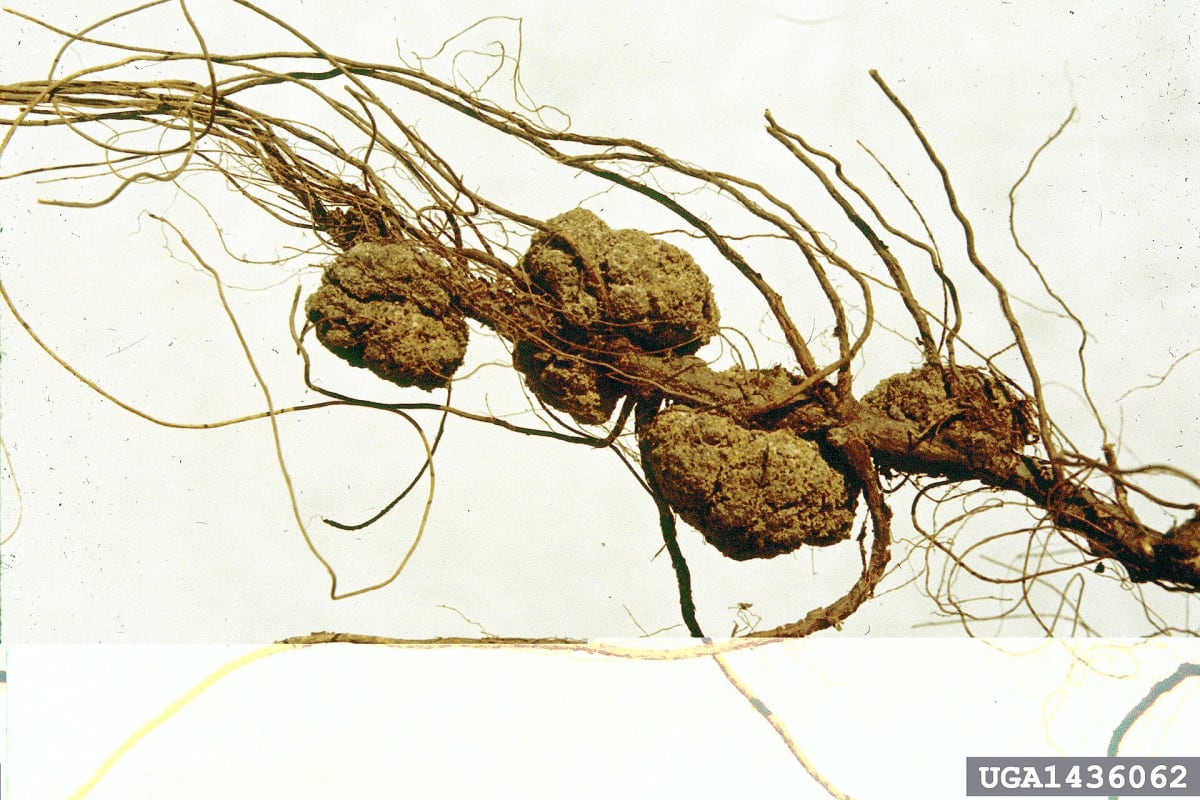
Crown gall is a bacterial disease caused by Agrobacterium tumefaciens, which infects a wide range of plant species. The bacterium enters the plant through wounds in the roots or stems, often caused by pruning, grafting, or mechanical injury. Once inside, the bacterium transfers a portion of its DNA into the plant cells, causing them to proliferate uncontrollably and form galls. These galls can vary in size and are typically found at the crown of the plant, where the stem meets the soil, but can also appear on roots and branches. Over time, the galls can disrupt the plant's ability to transport water and nutrients, leading to stunted growth and reduced productivity. Crown gall can be confused with other types of galls caused by insects or fungi, but its bacterial origin and the presence of galls at the crown are distinguishing features.
Symptoms
- Tumor-like swellings on stems
- Galls at the base of the plant
- Stunted growth
- Reduced plant vigor
- Galls on roots
- Disrupted vascular system
Cause
Crown gall is caused by the bacterium Agrobacterium tumefaciens, which infects plants through wounds. The bacterium thrives in warm, moist conditions and can be spread by contaminated tools, soil, or water.
Conditions that favour it
- Warm temperatures
- Moist soil
- Wounded plant tissue
- Contaminated tools
- High humidity
Lifecycle and spread
Agrobacterium tumefaciens overwinters in the soil and plant debris. It spreads through water, soil, and contaminated tools. The bacterium enters plants through wounds and induces gall formation. Breaking the cycle involves removing infected plant material and sterilizing tools.
Plants most affected
- Roses
- Grapevines
- Apple trees
- Pear trees
- Stone fruits
- Raspberries
- Blackberries
- Willows
- Poplars
- Maples
Treatment
Educational information only, and not a substitute for professional diagnosis. Identify the problem before treating it, and check that any product is registered for this plant and this use where you live.
Cultural control
- Avoid wounding plants
- Prune during dry weather
- Ensure proper plant spacing
- Improve soil drainage
- Sanitize pruning tools
Organic options
- Copper-based fungicides
- Biological control with Agrobacterium radiobacter
- Neem oil
Chemical options
- Copper hydroxide Used to manage bacterial infections
Read and follow the product label. The label is the legally binding instruction. Confirm the product is registered for this plant and for this use in your area before applying it.
Prevention
- Use disease-free planting material
- Avoid planting in contaminated soil
- Regularly sanitize tools
- Monitor plants for early signs of infection
- Implement crop rotation