Bacterial soft rot
Bacterial soft rot is a plant disease caused by Pectobacterium carotovorum, characterized by the breakdown of plant tissues into a watery, mushy consistency. It primarily affects vegetables like potatoes, carrots, and cucumbers, leading to significant crop losses if not managed properly.
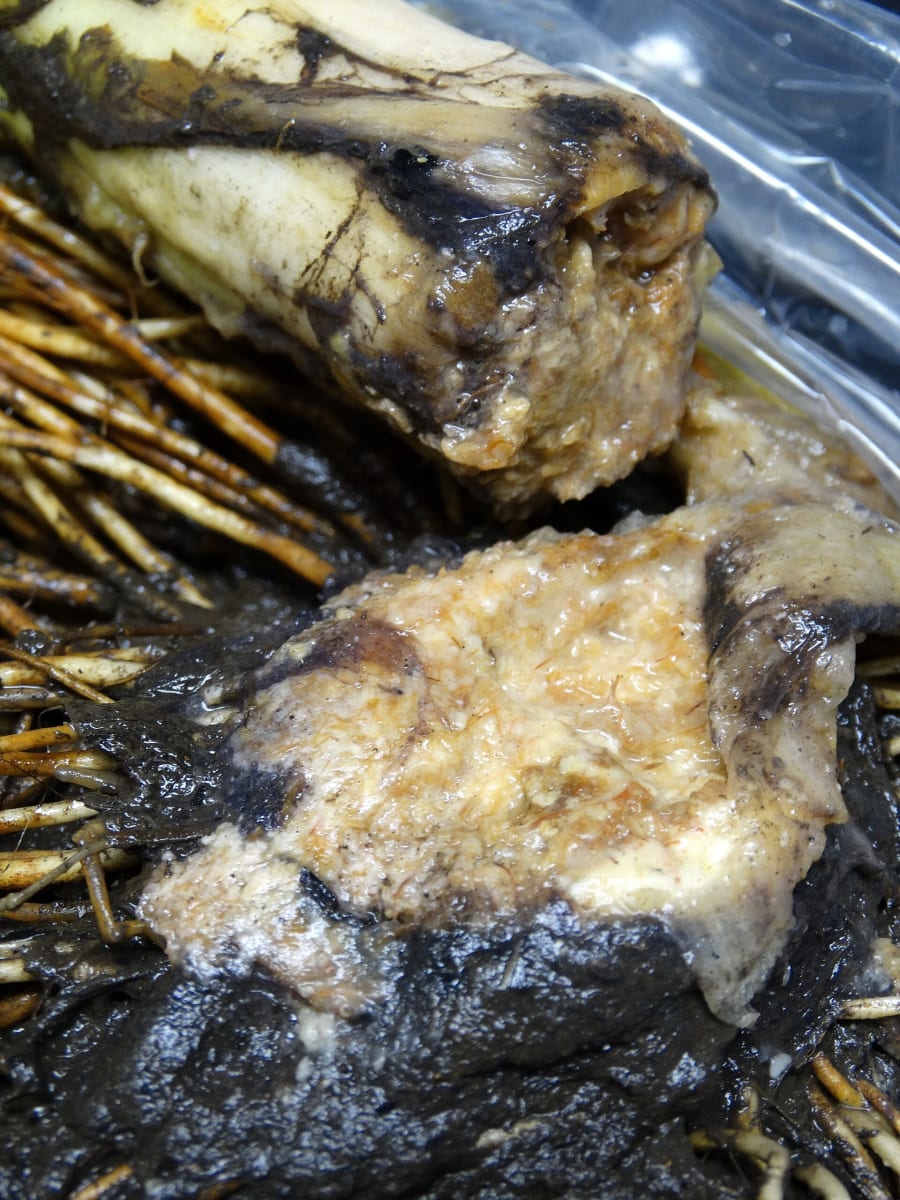
About this problem
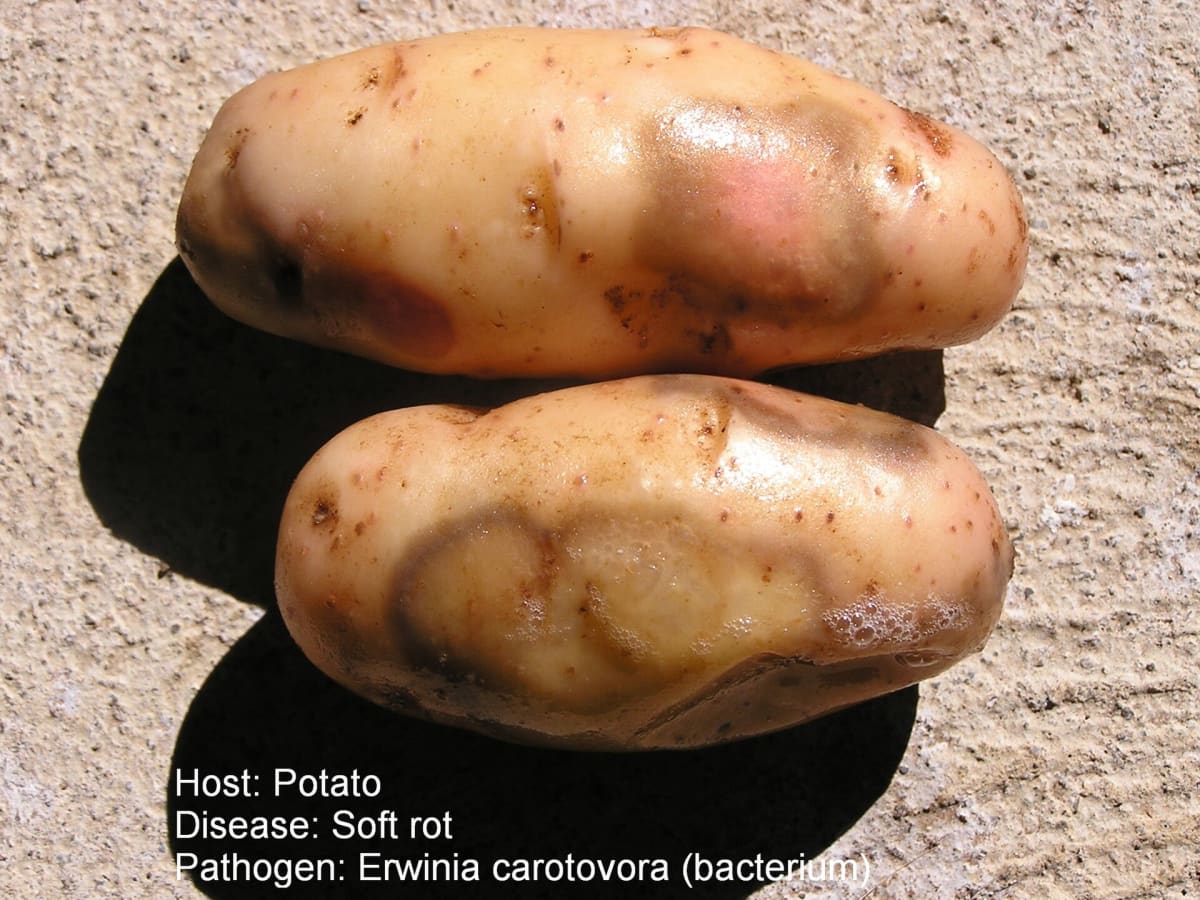
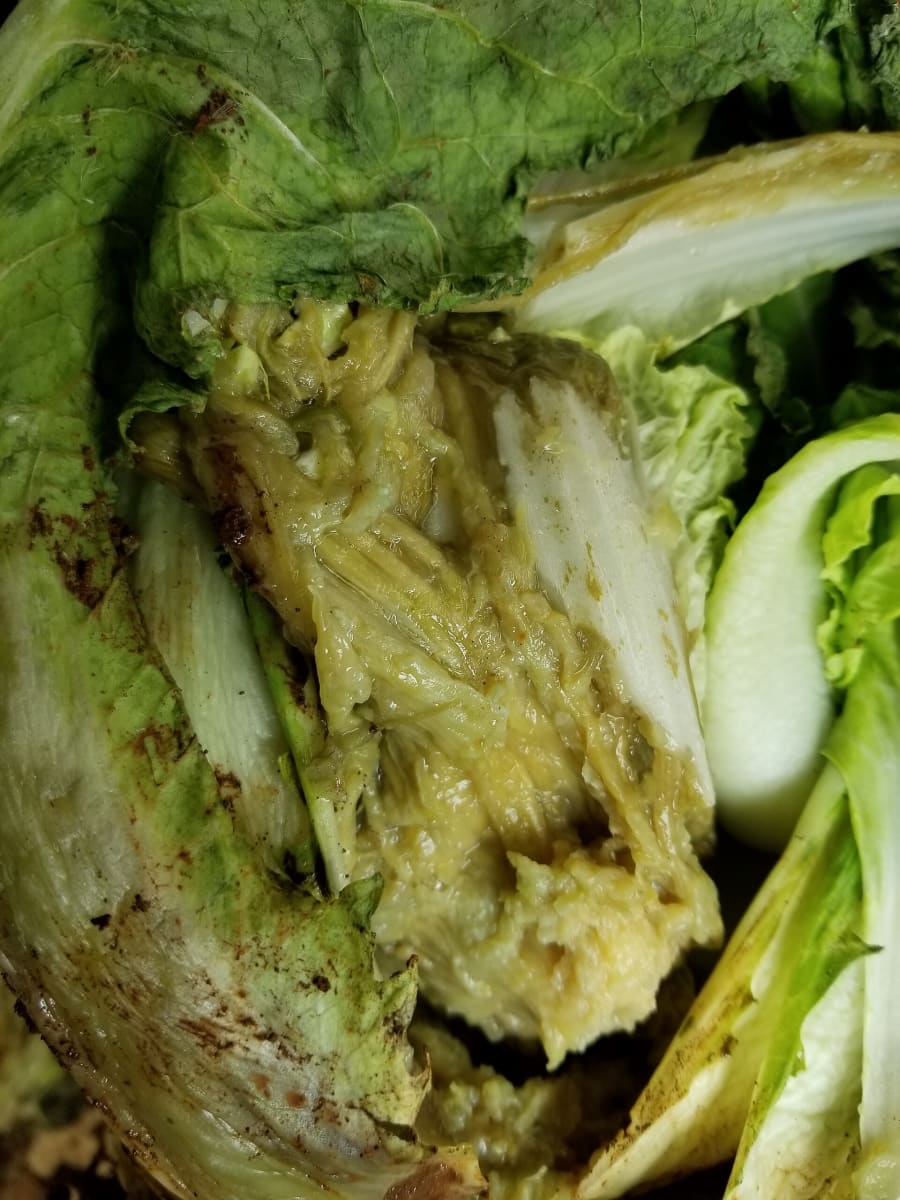
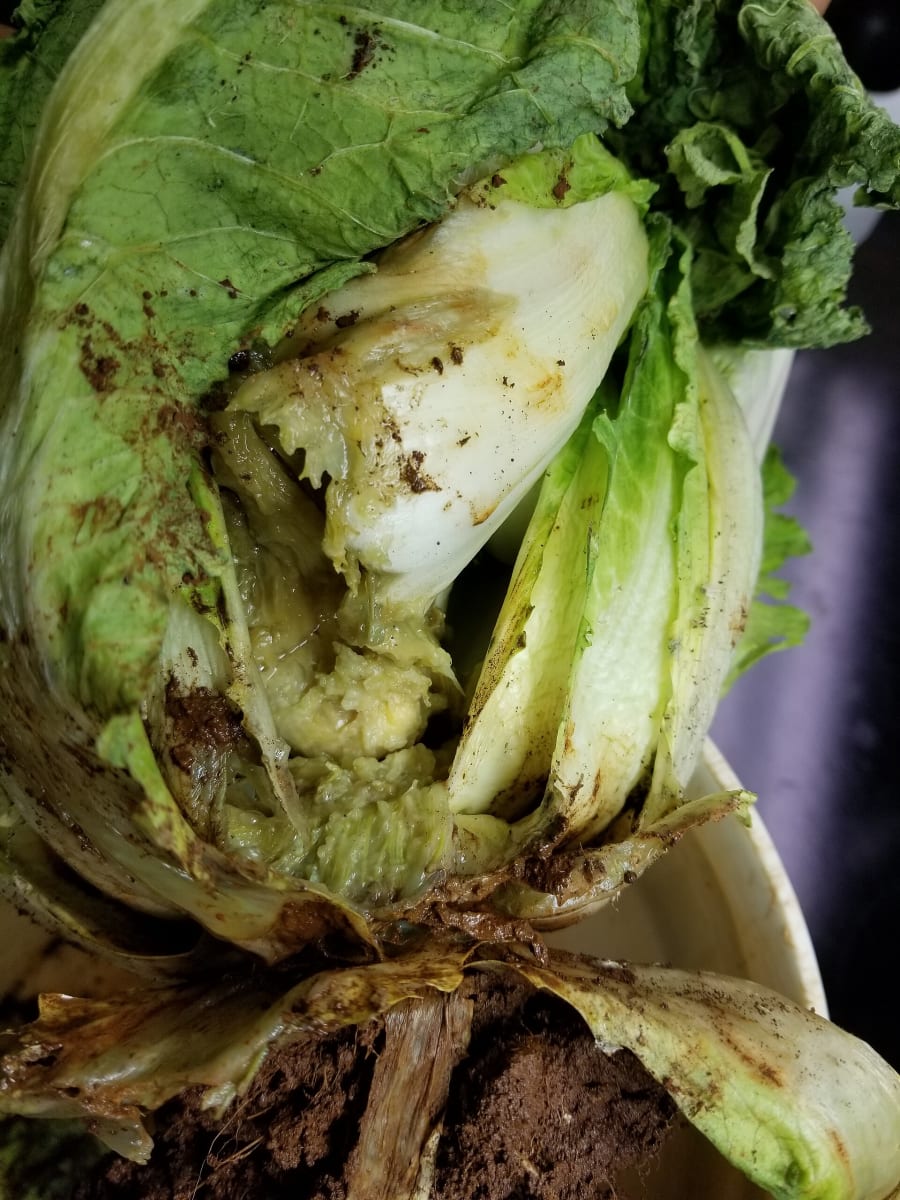
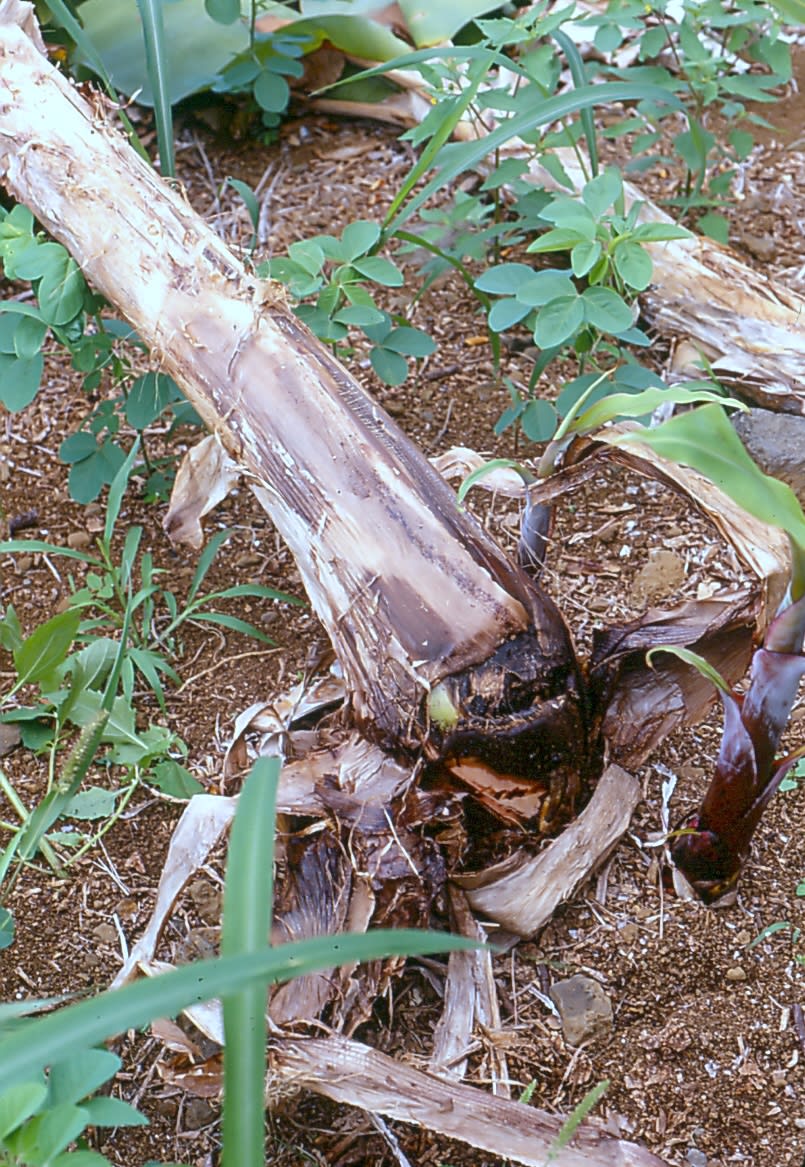
Bacterial soft rot is caused by the bacterium Pectobacterium carotovorum, which thrives in warm, moist conditions. This pathogen attacks the plant by producing enzymes that break down cell walls, leading to the characteristic soft, mushy rot. Initially, small water-soaked spots appear on the plant tissue, which quickly expand and turn into large, mushy areas. As the disease progresses, the affected tissue emits a foul odor due to the decomposition process. The disease can rapidly spread in storage or during transportation, causing significant economic losses. It is often confused with other rot diseases, but the distinct watery, foul-smelling rot is a key identifier. The disease is more prevalent in conditions of high humidity and temperature, particularly when plants are wounded or stressed. It can be spread through contaminated water, tools, or by insects that carry the bacteria from plant to plant.
Symptoms
- Watery, mushy rot
- Foul odor from affected tissue
- Water-soaked spots on plant tissue
- Rapid tissue breakdown
Cause
Bacterial soft rot is caused by Pectobacterium carotovorum, which infects plants through wounds or natural openings. Warm, humid conditions and poor sanitation practices can facilitate the spread of the bacteria.
Conditions that favour it
- High humidity
- Warm temperatures
- Wounded or stressed plants
- Poor sanitation
- Contaminated water
Lifecycle and spread
The bacterium spreads through water, insects, and contaminated tools. It overwinters in plant debris and soil. Breaking the cycle involves removing infected plant material and improving sanitation practices.
Plants most affected
- Potato
- Carrot
- Cucumber
- Onion
- Tomato
- Lettuce
- Celery
- Pepper
- Cabbage
- Broccoli
Treatment
Educational information only, and not a substitute for professional diagnosis. Identify the problem before treating it, and check that any product is registered for this plant and this use where you live.
Cultural control
- Improve drainage to reduce standing water
- Increase plant spacing for better air circulation
- Avoid overhead watering
- Remove and destroy infected plants
- Practice crop rotation
Organic options
- Copper-based fungicides
- Bacillus subtilis
- Neem oil
Chemical options
- Copper hydroxide Used to manage bacterial infections
Read and follow the product label. The label is the legally binding instruction. Confirm the product is registered for this plant and for this use in your area before applying it.
Prevention
- Ensure good drainage and avoid waterlogging
- Sanitize tools and equipment regularly
- Avoid injuring plants during cultivation
- Store harvested crops in cool, dry conditions
- Use disease-free planting material