Fire blight
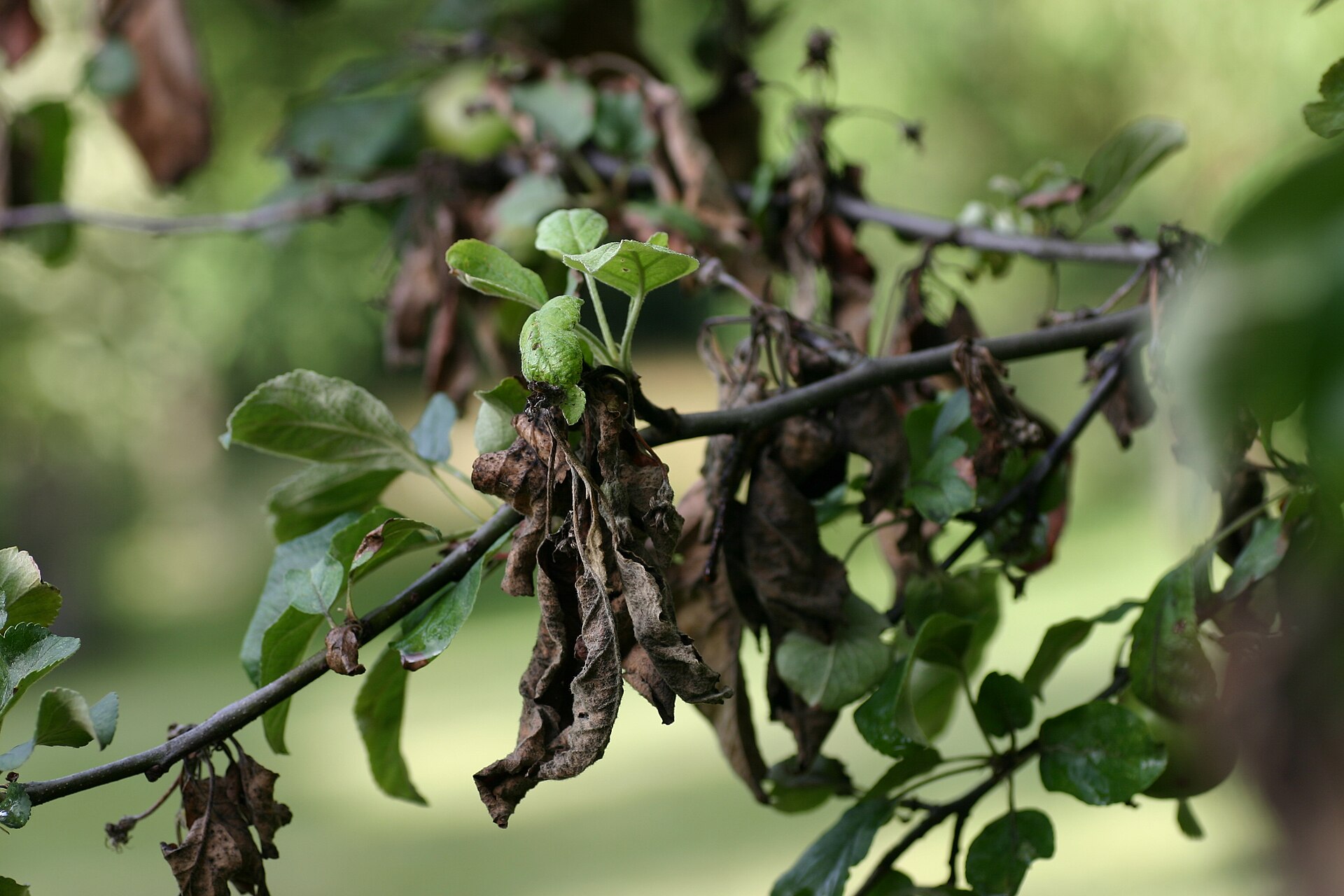
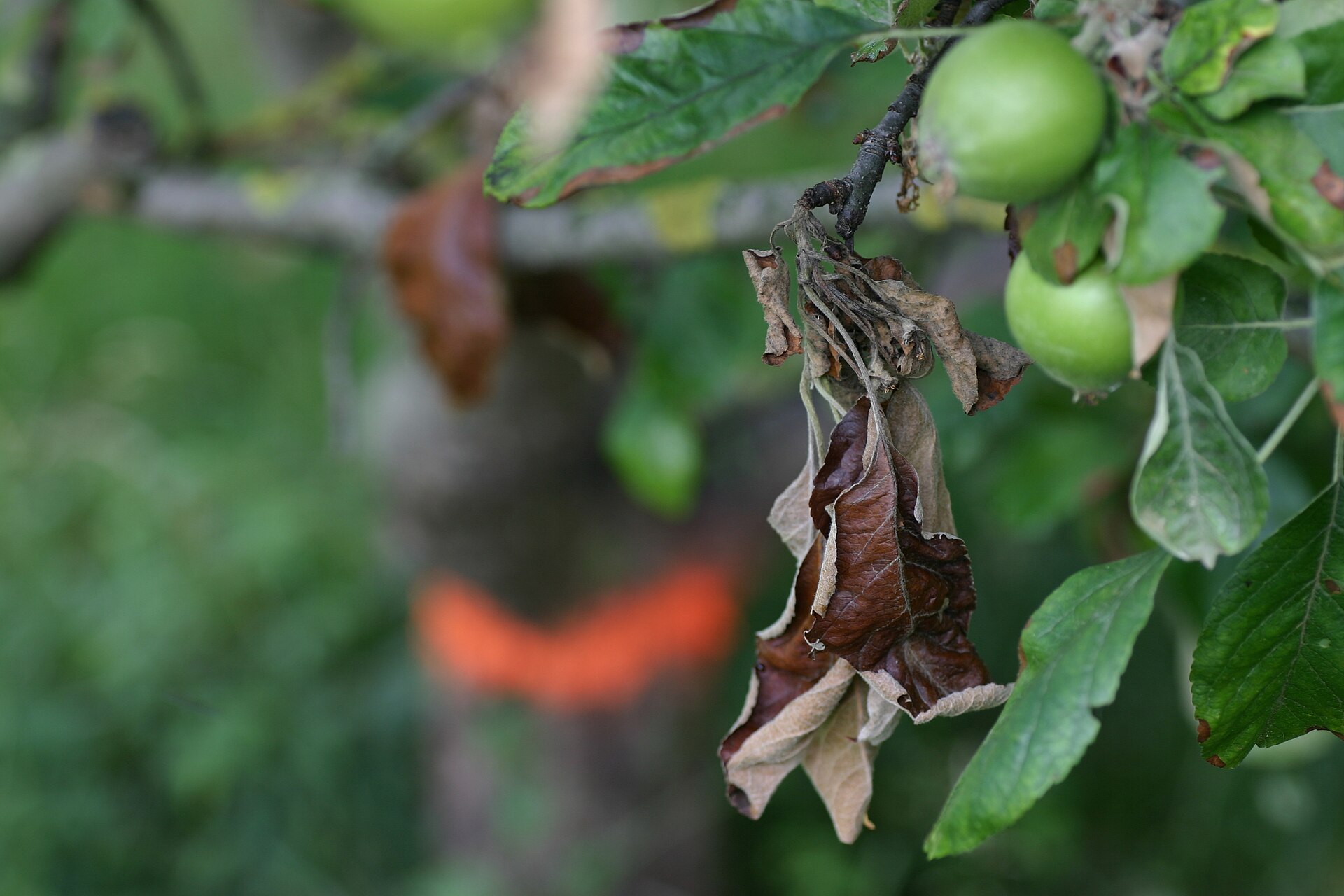
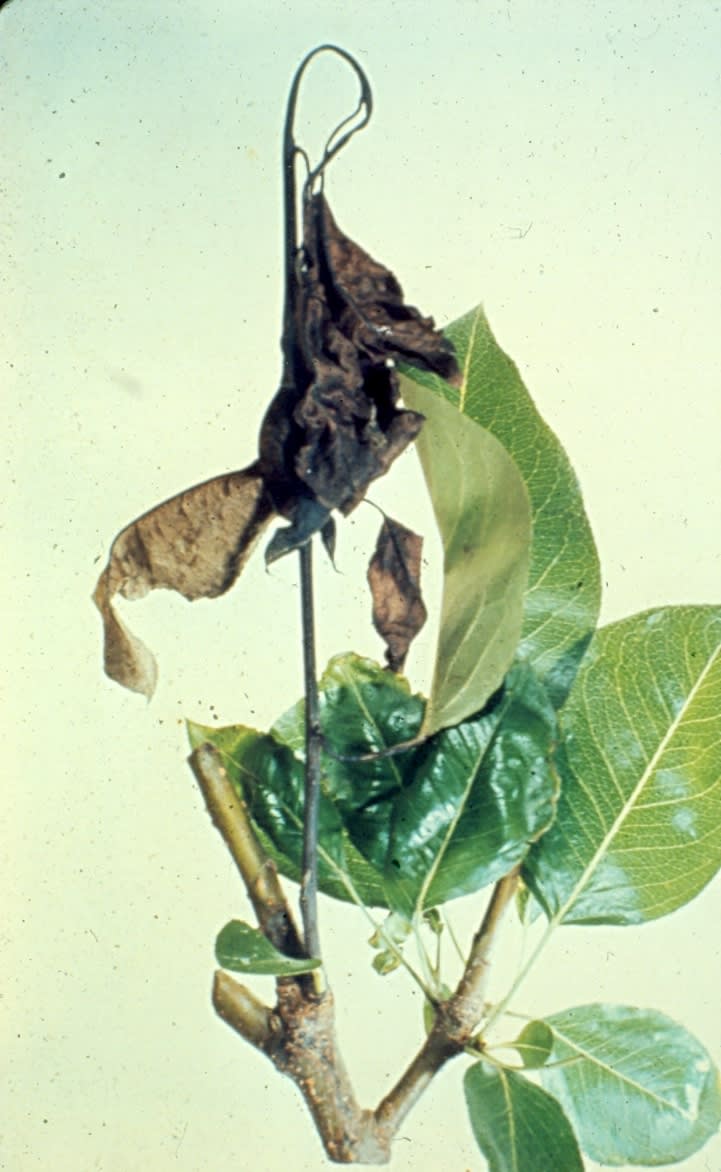
Fire blight is a serious bacterial disease affecting plants in the Rosaceae family, caused by Erwinia amylovora. It is characterized by the blackening and wilting of blossoms, shoots, and branches, giving the appearance of being scorched by fire.
About this problem
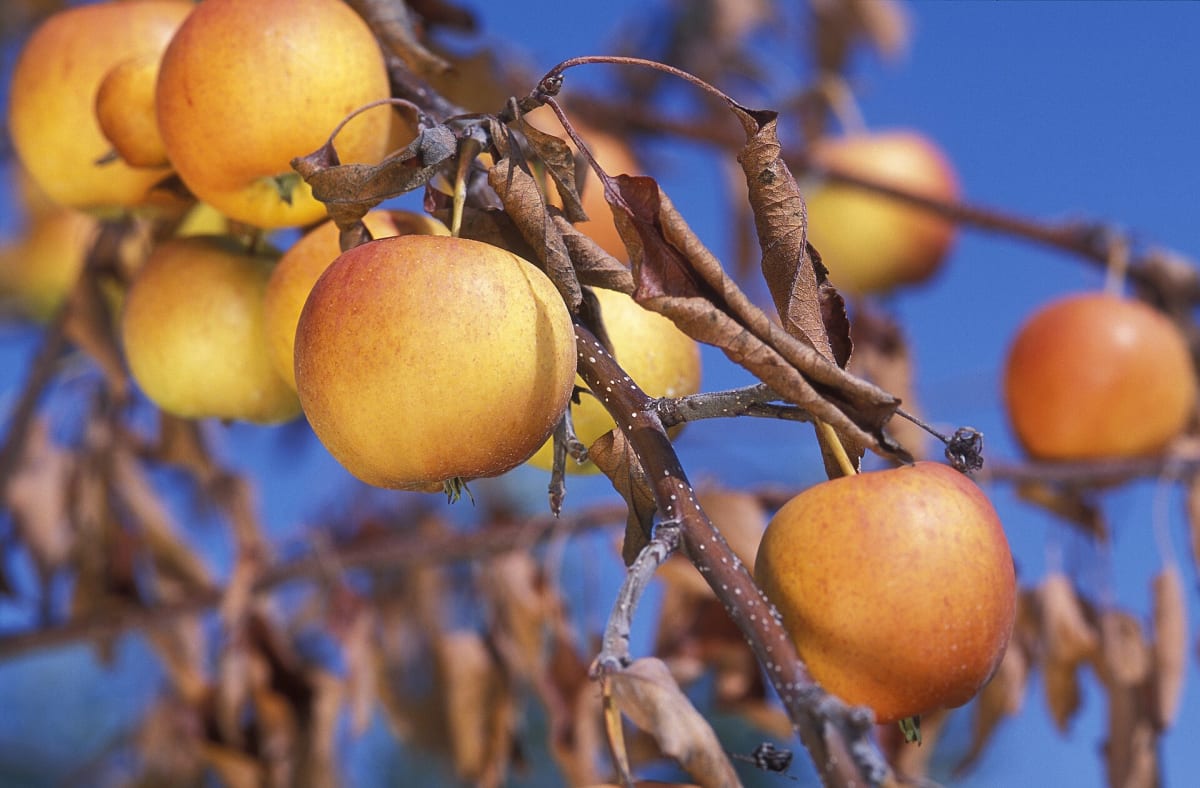
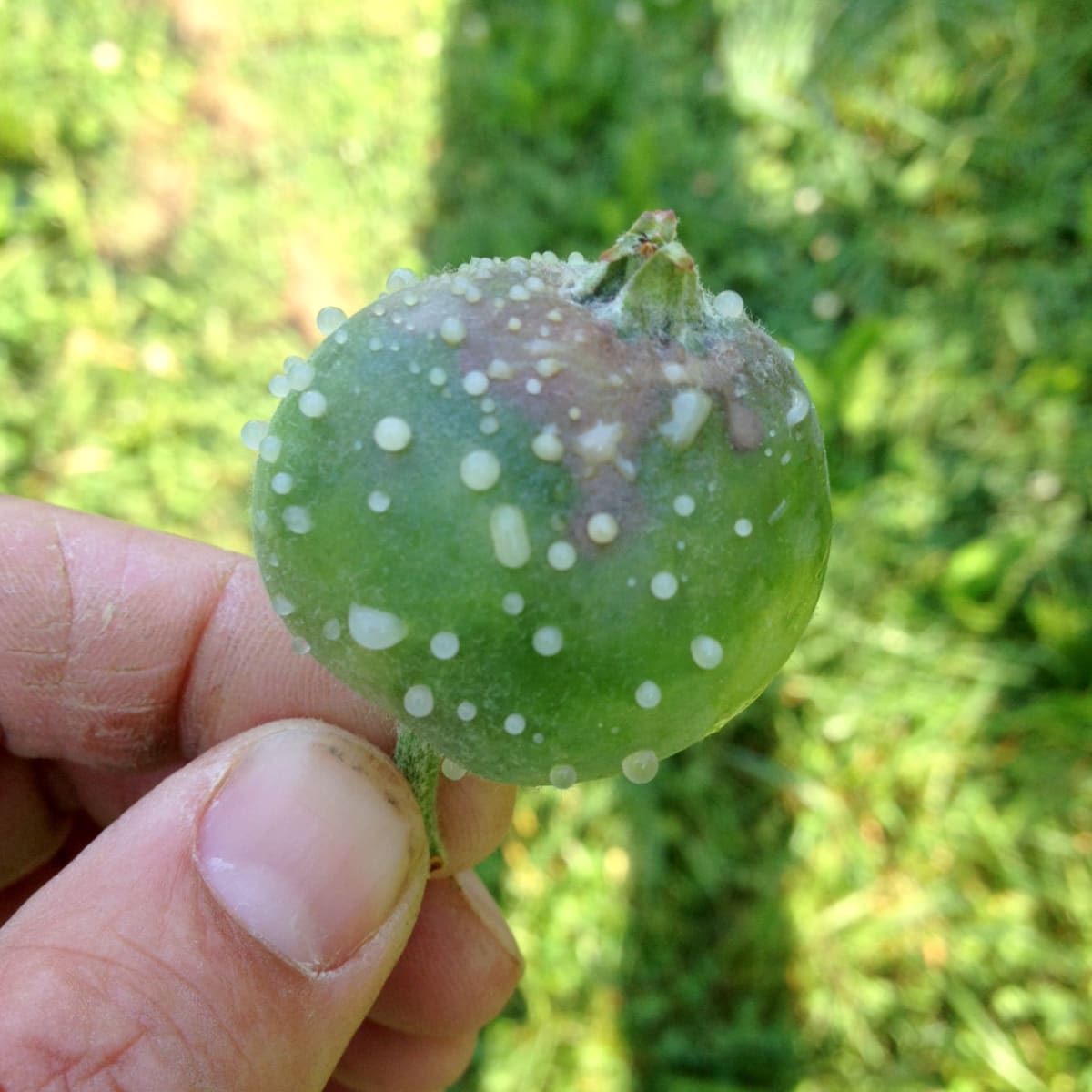
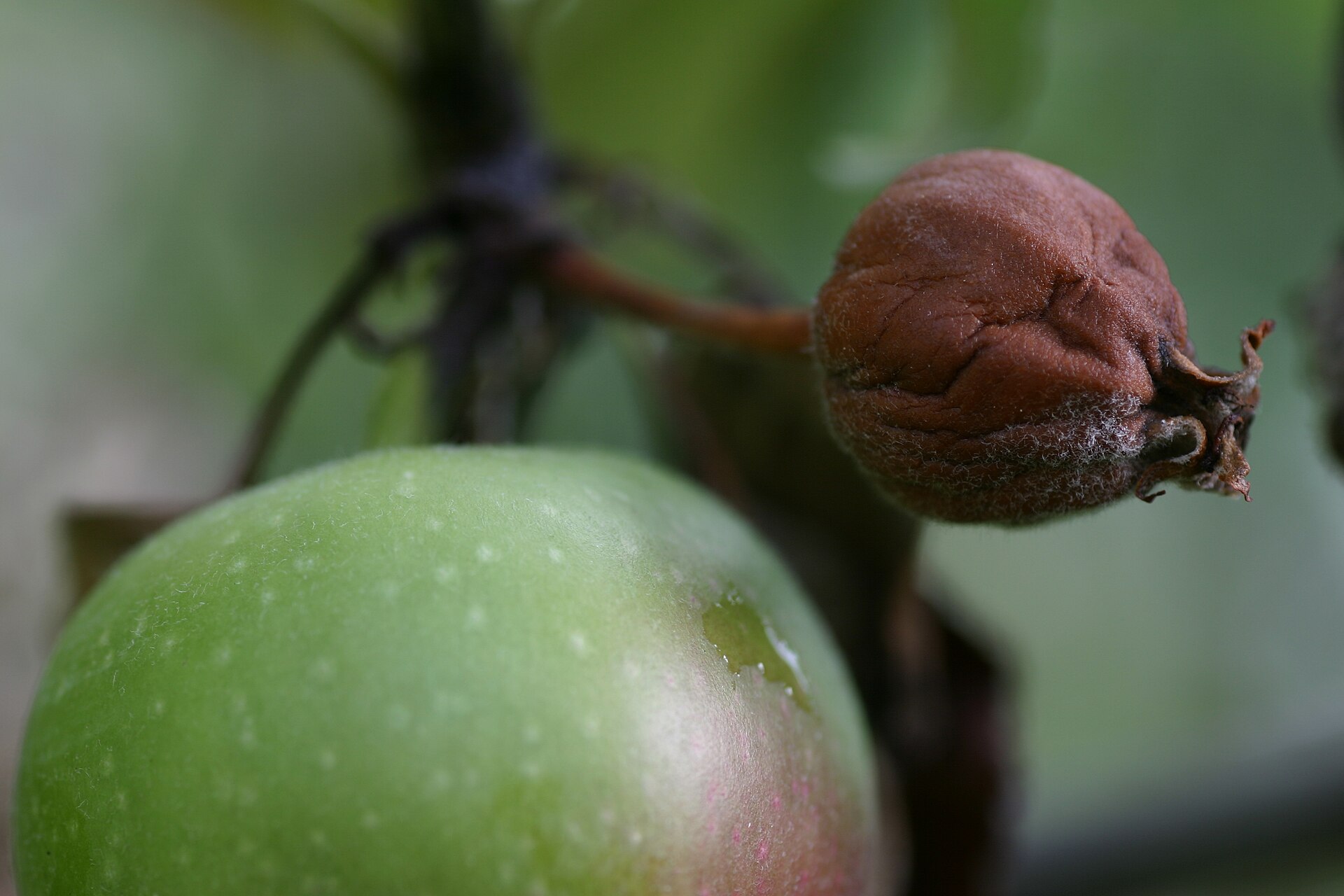
Fire blight is a destructive bacterial disease that primarily affects members of the Rosaceae family, including apples, pears, and ornamental plants. The pathogen Erwinia amylovora infects plants through natural openings or wounds, spreading rapidly during warm, wet weather. Initial symptoms include water-soaked lesions on blossoms and shoots, which quickly turn black and wilt, resembling fire damage. Over time, the disease can spread to larger branches and even the trunk, forming cankers that ooze a bacterial slime. This disease is often confused with other blights and wilts, but its rapid progression and characteristic scorched appearance help distinguish it. Effective management relies on early detection and prompt action to prevent widespread damage.
Symptoms
- Blackened, wilted blossoms
- Scorched appearance of shoots
- Oozing cankers on branches
- Rapid dieback of branches
- Water-soaked lesions on leaves
Cause
Fire blight is caused by the bacterium Erwinia amylovora. It thrives in warm, humid conditions and spreads through rain, wind, insects, and contaminated tools.
Conditions that favour it
- Warm, humid weather
- Frequent rain or irrigation
- High humidity
- Presence of wounds or natural openings
- Insect activity
Lifecycle and spread
The bacterium overwinters in cankers on infected plants. In spring, it becomes active and spreads through rain, insects, and tools. Pruning and sanitation can help break the cycle.
Plants most affected
- Apple
- Pear
- Quince
- Hawthorn
- Cotoneaster
- Pyracantha
- Crabapple
- Mountain ash
- Spirea
- Serviceberry
Treatment
Educational information only, and not a substitute for professional diagnosis. Identify the problem before treating it, and check that any product is registered for this plant and this use where you live.
Cultural control
- Prune infected branches during dormancy
- Ensure proper spacing for airflow
- Avoid overhead watering
- Sanitize pruning tools regularly
Organic options
- Copper-based sprays
- Bordeaux mixture
- Neem oil
Chemical options
- Streptomycin Used to control bacterial spread
Read and follow the product label. The label is the legally binding instruction. Confirm the product is registered for this plant and for this use in your area before applying it.
Prevention
- Select resistant varieties
- Monitor for early symptoms
- Maintain good sanitation practices
- Avoid excessive nitrogen fertilization