Bacterial blight
Bacterial blight, caused by Pseudomonas syringae, is a serious disease affecting a wide range of plants. It manifests as water-soaked lesions on leaves, stems, and fruits, which may turn brown or black and lead to defoliation and plant decline.
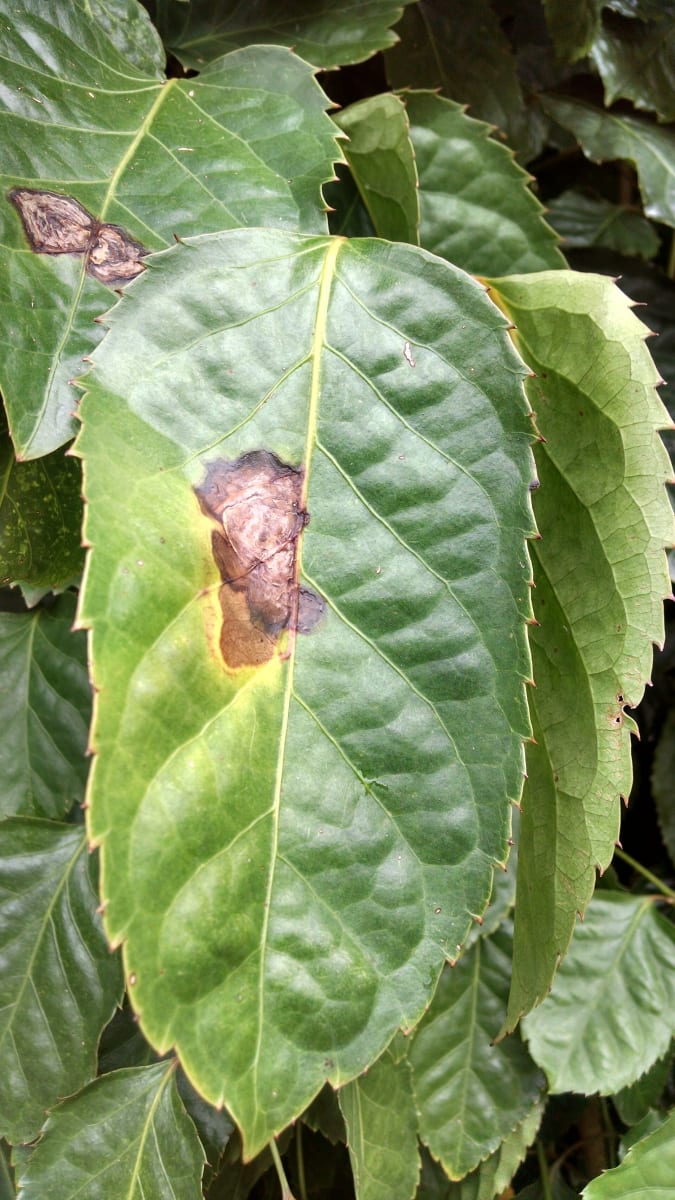
About this problem
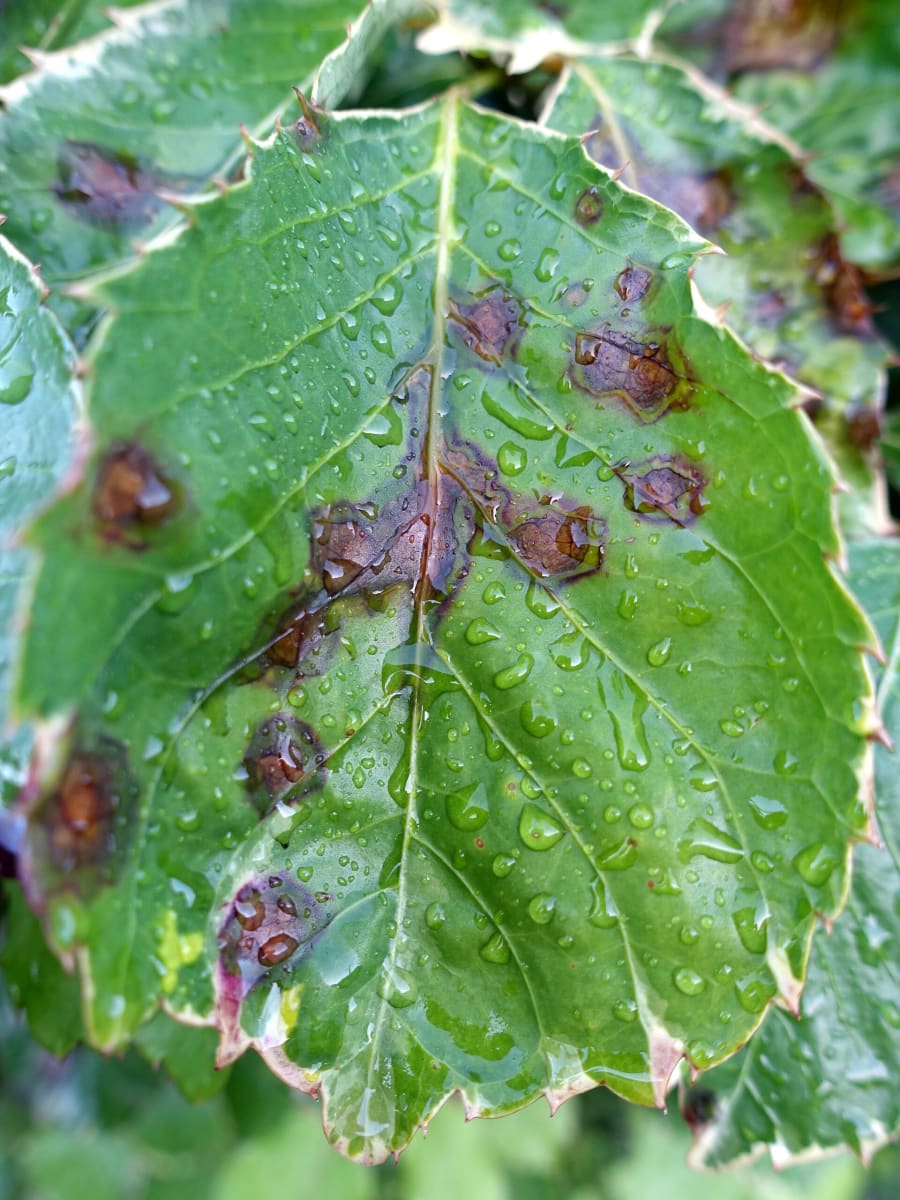
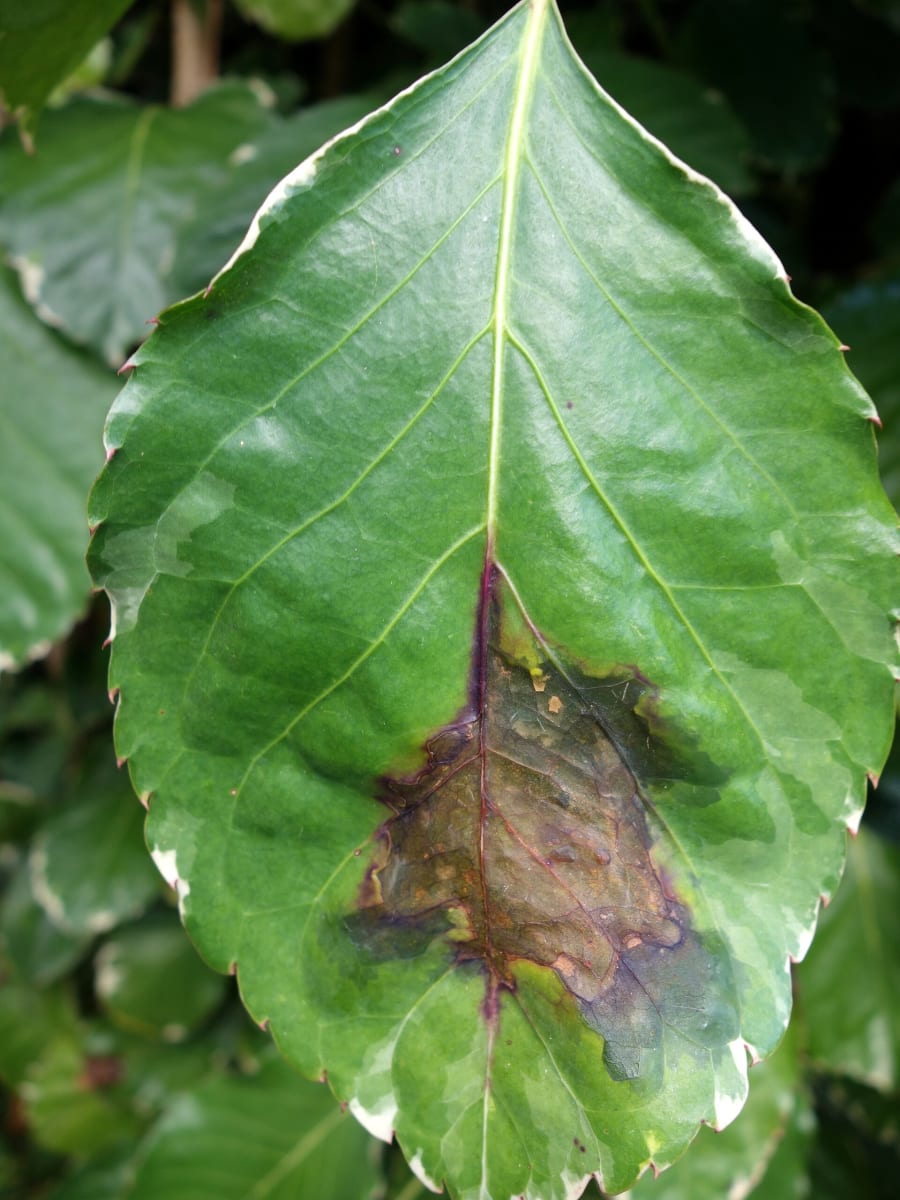
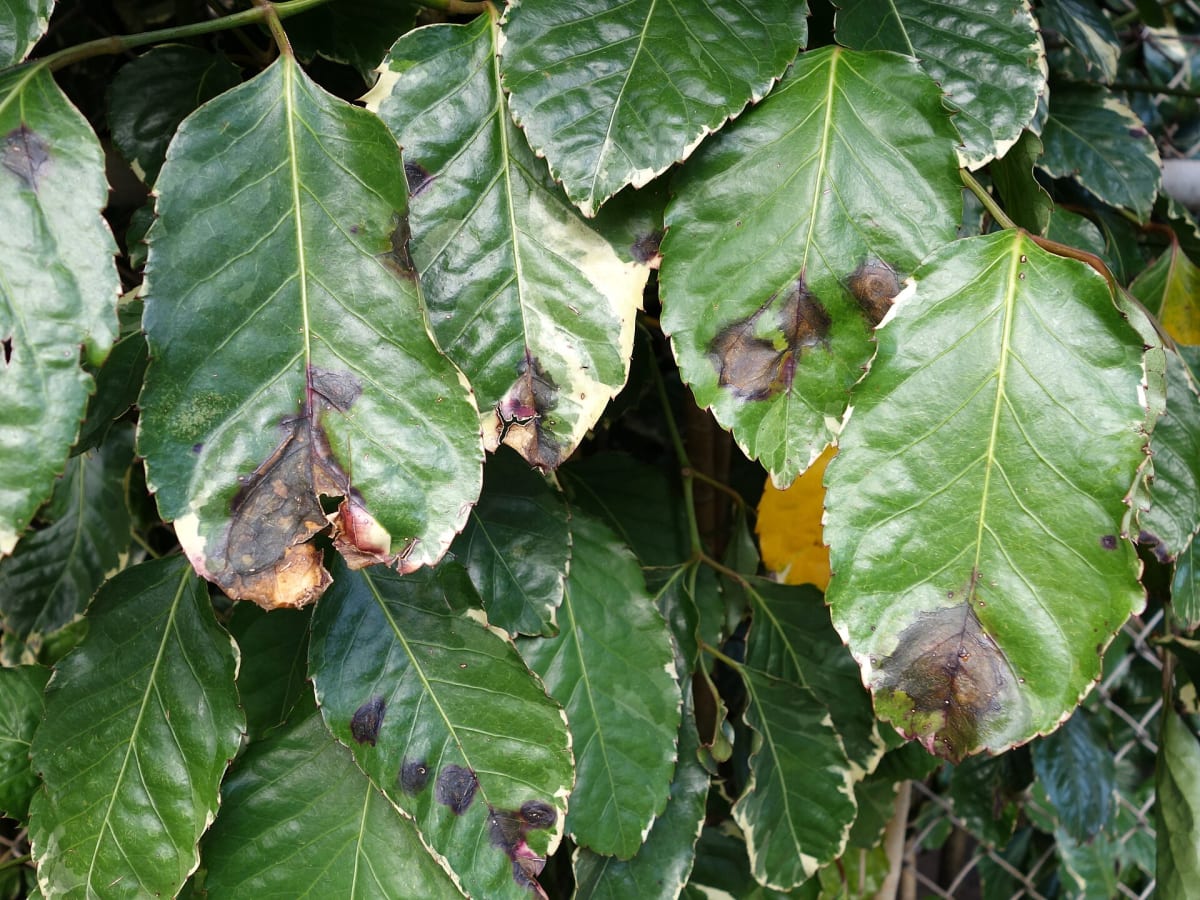
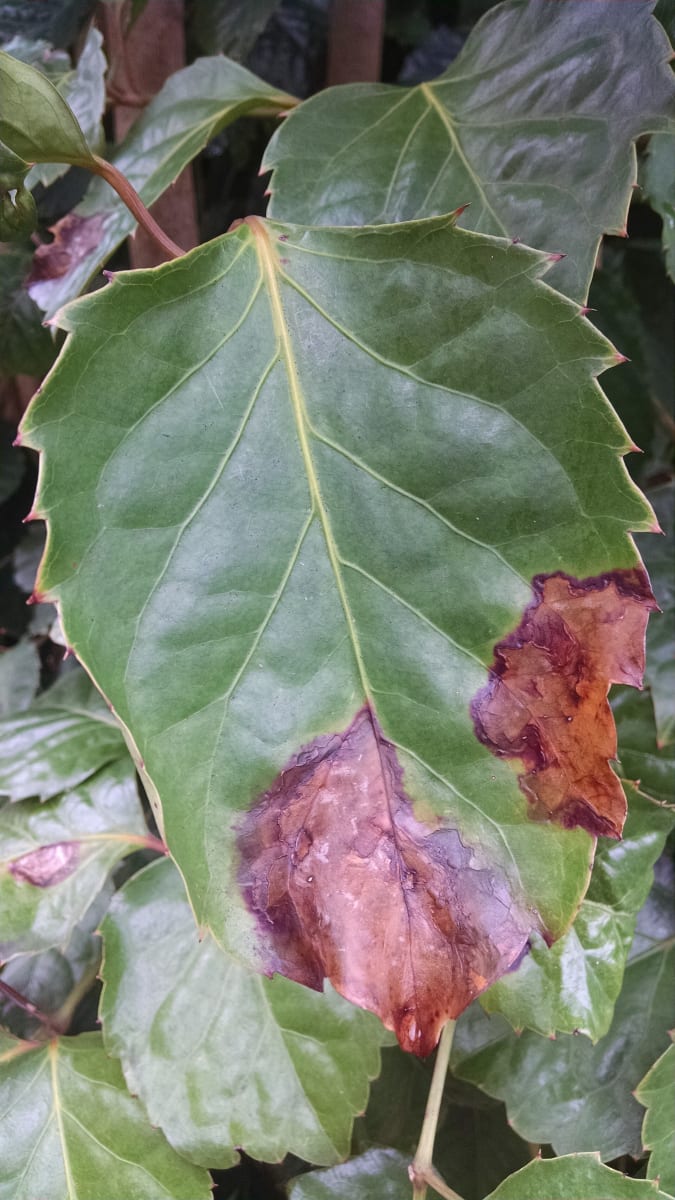
Bacterial blight is a disease caused by the bacterium Pseudomonas syringae. This pathogen attacks a variety of host plants, leading to significant agricultural losses. The bacteria enter the plant through natural openings or wounds, spreading systemically and causing damage to the plant tissues. Initially, growers may notice small, water-soaked spots on leaves, which can expand and turn brown or black. As the disease progresses, these spots may coalesce, leading to large necrotic areas and eventual leaf drop. In severe cases, the infection can spread to stems and fruits, causing further damage. Bacterial blight is often confused with fungal leaf spots or other bacterial diseases. However, the presence of water-soaked lesions and the rapid progression of symptoms are indicative of this disease. Proper diagnosis is essential for effective management.
Symptoms
- Water-soaked lesions on leaves
- Brown or black spots on leaves
- Leaf drop
- Necrotic areas on stems and fruits
- Wilting
Cause
Bacterial blight is caused by the bacterium Pseudomonas syringae. It thrives in cool, wet conditions and can be spread by rain, wind, insects, and contaminated tools.
Conditions that favour it
- Cool temperatures
- High humidity
- Frequent rainfall
- Poor air circulation
- Overhead irrigation
Lifecycle and spread
Pseudomonas syringae overwinters in plant debris and on seeds. It spreads through water splashes, wind, and contaminated tools. Breaking the cycle involves removing infected plant material and practicing crop rotation.
Plants most affected
- Tomato
- Pepper
- Bean
- Pea
- Cucumber
- Lettuce
- Ornamental shrubs
- Stone fruits
- Apple
- Pear
- Cherry
- Lilac
Treatment
Educational information only, and not a substitute for professional diagnosis. Identify the problem before treating it, and check that any product is registered for this plant and this use where you live.
Cultural control
- Improve air circulation by proper spacing
- Avoid overhead watering
- Remove and destroy infected plant debris
- Practice crop rotation
- Ensure proper drainage
Organic options
- Copper-based fungicides
- Bordeaux mixture
- Neem oil
Chemical options
- Copper hydroxide Used to manage bacterial blight
Read and follow the product label. The label is the legally binding instruction. Confirm the product is registered for this plant and for this use in your area before applying it.
Prevention
- Use disease-free seeds and transplants
- Implement strict sanitation practices
- Avoid working in wet conditions
- Monitor and control insect vectors
- Regularly inspect plants for early signs of disease