Aster yellows
Aster yellows is a plant disease caused by the phytoplasma Candidatus Phytoplasma asteris. It affects a wide range of plants, causing symptoms such as yellowing leaves, stunted growth, and distorted flowers. The disease is primarily spread by leafhoppers, which transmit the pathogen as they feed on plant sap.


About this problem
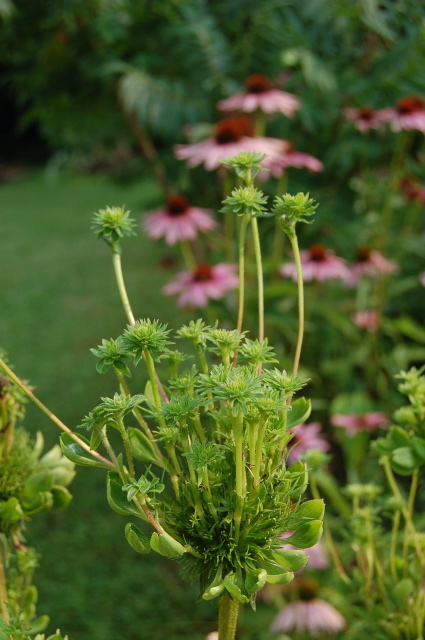
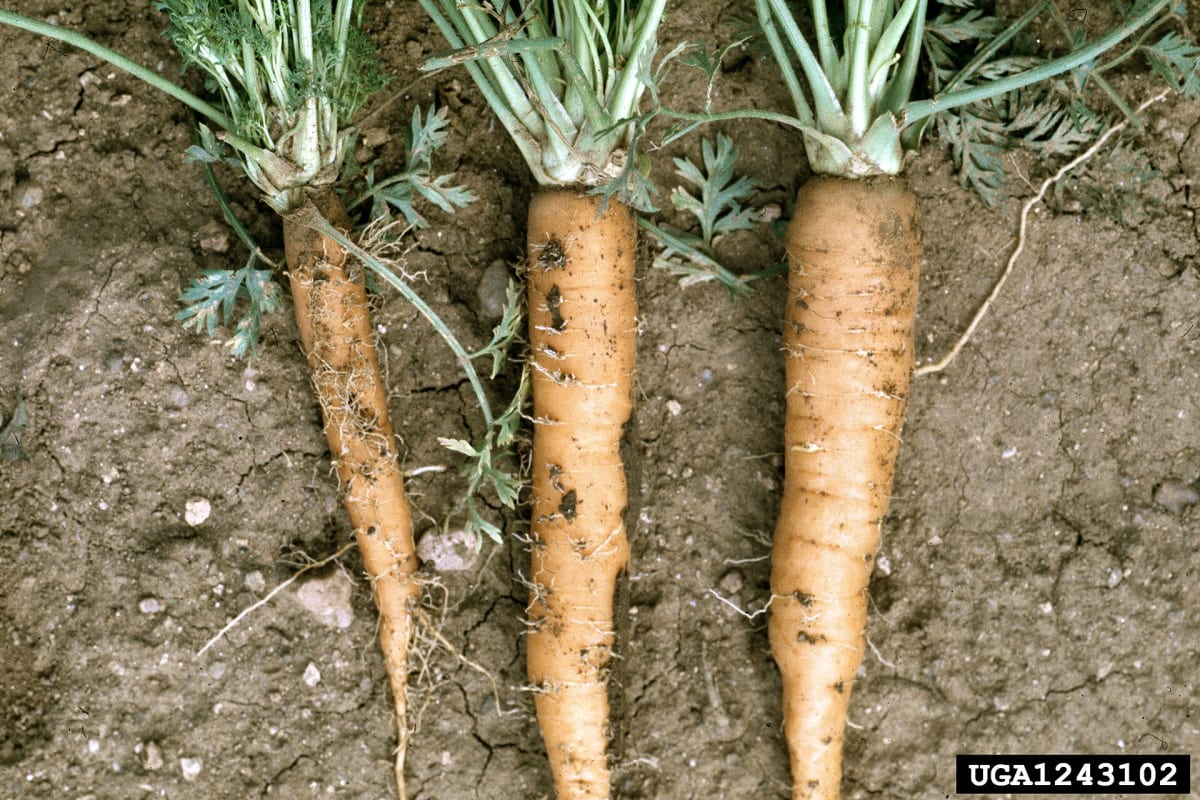
Aster yellows is a disease caused by the phytoplasma Candidatus Phytoplasma asteris, a type of bacteria that lacks a cell wall. This pathogen is transmitted by leafhoppers, which acquire the phytoplasma while feeding on infected plants and spread it to healthy ones. The disease affects a wide variety of plants, including many ornamental and vegetable species. Infected plants exhibit a range of symptoms, starting with the yellowing of leaves and progressing to stunted and distorted growth. Flowers may become deformed, exhibiting greenish petals or phyllody, where floral parts are replaced by leaf-like structures. Over time, the plant's overall vigor declines, leading to reduced yields in crops and diminished aesthetic value in ornamentals. Aster yellows can be confused with nutrient deficiencies or viral infections, as these conditions may also cause yellowing and stunted growth. However, the presence of leafhoppers and the characteristic flower deformities can help differentiate aster yellows from other issues.
Symptoms
- Yellowing leaves
- Stunted growth
- Distorted flowers
- Greenish petals
- Phyllody
- Reduced vigor
Cause
Aster yellows is caused by the phytoplasma Candidatus Phytoplasma asteris. The disease is spread by leafhoppers, which transmit the pathogen as they feed on plant sap. Conditions that favor the disease include the presence of leafhopper vectors and susceptible host plants.
Conditions that favour it
- Presence of leafhoppers
- Warm temperatures
- High humidity
- Dense plantings
- Susceptible host plants
Lifecycle and spread
The phytoplasma overwinters in infected perennial plants and is spread by leafhoppers in the spring and summer. Leafhoppers acquire the pathogen by feeding on infected plants and can transmit it to healthy plants during subsequent feedings. Breaking the cycle involves controlling leafhopper populations and removing infected plants.
Plants most affected
- Asters
- Carrots
- Celery
- Lettuce
- Potatoes
- Tomatoes
- Chrysanthemums
- Dahlias
- Zinnias
- Petunias
Treatment
Educational information only, and not a substitute for professional diagnosis. Identify the problem before treating it, and check that any product is registered for this plant and this use where you live.
Cultural control
- Remove and destroy infected plants
- Encourage air circulation by proper spacing
- Control leafhopper populations
- Avoid planting susceptible species near infected areas
Organic options
- Neem oil
- Insecticidal soap
- Pyrethrin
Chemical options
- Imidacloprid Used to control leafhopper populations
Read and follow the product label. The label is the legally binding instruction. Confirm the product is registered for this plant and for this use in your area before applying it.
Prevention
- Monitor and control leafhopper populations
- Use resistant plant varieties
- Maintain plant health through proper nutrition
- Implement crop rotation
- Remove weeds that may harbor the pathogen