Sunchoke
Helianthus Tuberosus
Medicinal Facts
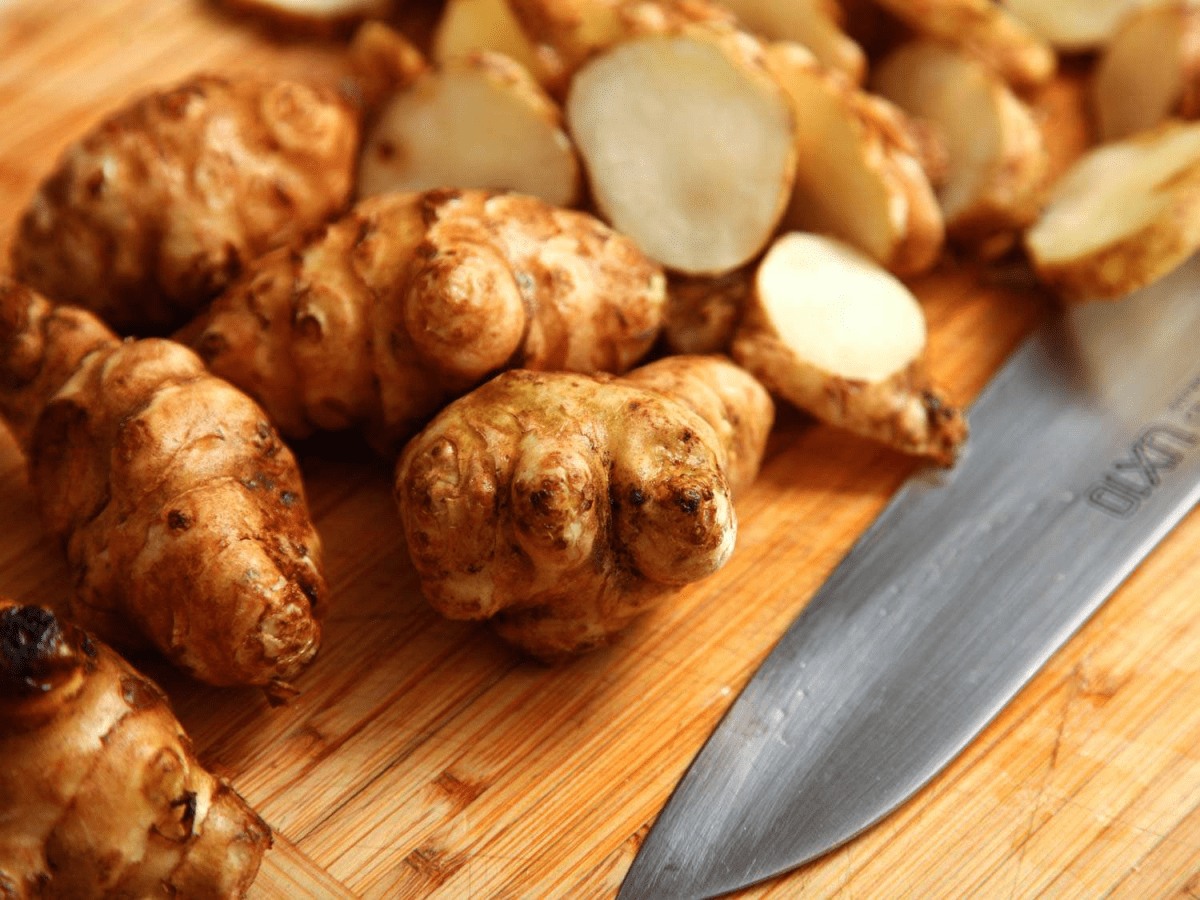
Helianthus tuberosus, commonly known as sunchoke or Jerusalem artichoke, is rich in inulin, a prebiotic fiber that plays a crucial role in gut health and metabolic regulation. It sits at the intersection of traditional Native American dietary practices and modern research into prebiotic and diabetic support. The plant is also noted for its potential in managing blood lipid levels and supporting immune function due to its unique carbohydrate profile and phytochemical content.
What it helps with
Gut microbiota & digestive health
Inulin from Helianthus tuberosus serves as a substrate for beneficial gut bacteria, particularly Bifidobacteria and Lactobacilli, enhancing their growth and activity. This prebiotic action modulates gut microbiota composition, improving digestive health and potentially reducing gastrointestinal disorders. Evidence primarily comes from human trials focused on inulin supplementation.
Blood sugar regulation & diabetes
Inulin impacts glucose metabolism by slowing gastric emptying and reducing postprandial glucose spikes. It also enhances insulin sensitivity through gut microbiota-mediated pathways. Human trials indicate improved glycemic control in type 2 diabetes patients consuming inulin-rich diets.
Cholesterol & lipid metabolism
Inulin decreases serum cholesterol by binding bile acids and promoting their excretion, which forces the liver to convert more cholesterol into bile acids. This mechanism is supported by human studies showing reductions in LDL cholesterol levels with inulin supplementation.
Immune modulation
The fermentation of inulin in the gut produces short-chain fatty acids (SCFAs) like butyrate, which modulate immune responses by influencing cytokine production and T-cell differentiation. Preclinical studies suggest a role in enhancing immune function, although direct human evidence is limited.
Weight management
Inulin's ability to promote satiety through delayed gastric emptying and modulation of appetite-regulating hormones like ghrelin and peptide YY supports weight management. Clinical trials have shown modest weight loss in overweight individuals consuming inulin.
Bone health
Inulin enhances calcium absorption in the colon by lowering pH and increasing mineral solubility, which may contribute to improved bone mineral density. This effect has been observed in both animal models and human trials, particularly in postmenopausal women.
Antioxidant support
Polyphenolic compounds in Helianthus tuberosus, such as chlorogenic acid, exhibit antioxidant activity by scavenging free radicals and upregulating endogenous antioxidant enzymes like superoxide dismutase (SOD). Evidence is primarily preclinical, with some human studies showing increased antioxidant capacity.
Key active compounds
Inulin
A fructan-type prebiotic fiber that selectively stimulates the growth of beneficial gut bacteria, leading to improved gut health and metabolic effects. It is resistant to digestion in the upper gastrointestinal tract, reaching the colon intact.
Chlorogenic acid
A polyphenolic compound that exhibits antioxidant properties by scavenging free radicals and inhibiting lipid peroxidation. It also influences glucose metabolism by modulating glucose-6-phosphatase.
Fructooligosaccharides (FOS)
Short-chain oligosaccharides that act as prebiotics, enhancing the growth of beneficial gut flora and contributing to improved digestive health. They are synergistic with inulin in promoting gut microbiota diversity.
Phenolic acids
These compounds contribute to the antioxidant profile of the plant, modulating oxidative stress and supporting cellular health. They interact with various enzymes involved in oxidative pathways.
Sesquiterpene lactones
These compounds may exhibit anti-inflammatory properties by inhibiting NF-kB signaling pathways, although evidence is primarily preclinical.
Protein-bound polysaccharides
These compounds may have immunomodulatory effects, enhancing macrophage activity and cytokine production, as suggested by in vitro studies.
Minerals (potassium, iron)
Essential minerals that support various physiological functions, including electrolyte balance and oxygen transport. They are bioavailable and contribute to the nutritional value of the plant.
What the research says
Research on Helianthus tuberosus focuses on its inulin content and its effects on gut health and metabolic regulation. Human trials have demonstrated inulin's efficacy in improving glycemic control and lipid profiles, with the strongest evidence coming from studies on type 2 diabetes and hyperlipidemia. Preclinical studies highlight its potential in immune modulation and antioxidant support, though human evidence for these effects is less robust. The main limitation is the variation in inulin content across different plant preparations, which can affect the consistency of results. Standardized extracts or formulations are recommended for more reliable outcomes.
Typical dosage
For raw consumption, start with small amounts, such as 50 grams, to assess tolerance and gradually increase as tolerated. Cooked Jerusalem artichokes can be consumed in larger portions, approximately 100-150 grams per serving. Fermented preparations may be consumed in similar quantities, with the added benefit of enhanced digestibility. Powdered forms can be used as a supplement, typically 1-2 teaspoons per day, mixed into smoothies or other foods.
About Sunchoke
Traditional Use
Preparations & Dosage
Preparations
- Raw: Wash and scrub the tubers thoroughly. Slice thinly and consume as part of a salad or on their own. Pair with lemon juice or vinegar to enhance flavor.
- Cooked: Peel and chop the tubers. Boil or roast until tender, approximately 20-30 minutes. Season with herbs and spices to taste.
- Fermented: Slice tubers and submerge in a saltwater brine. Allow to ferment at room temperature for 5-7 days, then refrigerate.
- Powder: Dehydrate sliced tubers and grind into a fine powder. Use as a supplement by adding to smoothies or other foods.
Interactions & Warnings
Use with caution
Jerusalem artichokes can cause digestive discomfort, including gas and bloating, due to their high inulin content. Individuals with irritable bowel syndrome (IBS) or other digestive sensitivities should consume them with caution. Those with allergies to plants in the Asteraceae family should avoid them.
Herb Interactions
Both are high in inulin, which can enhance prebiotic effects but may also increase digestive discomfort when consumed together.
Community Plants
Real plants of this species grown and shared by the MyFloralVault community.

More in Digestive Health


Was this helpful?
0 · 0
Care Guide Available
Learn how to grow and care for Sunchoke at home