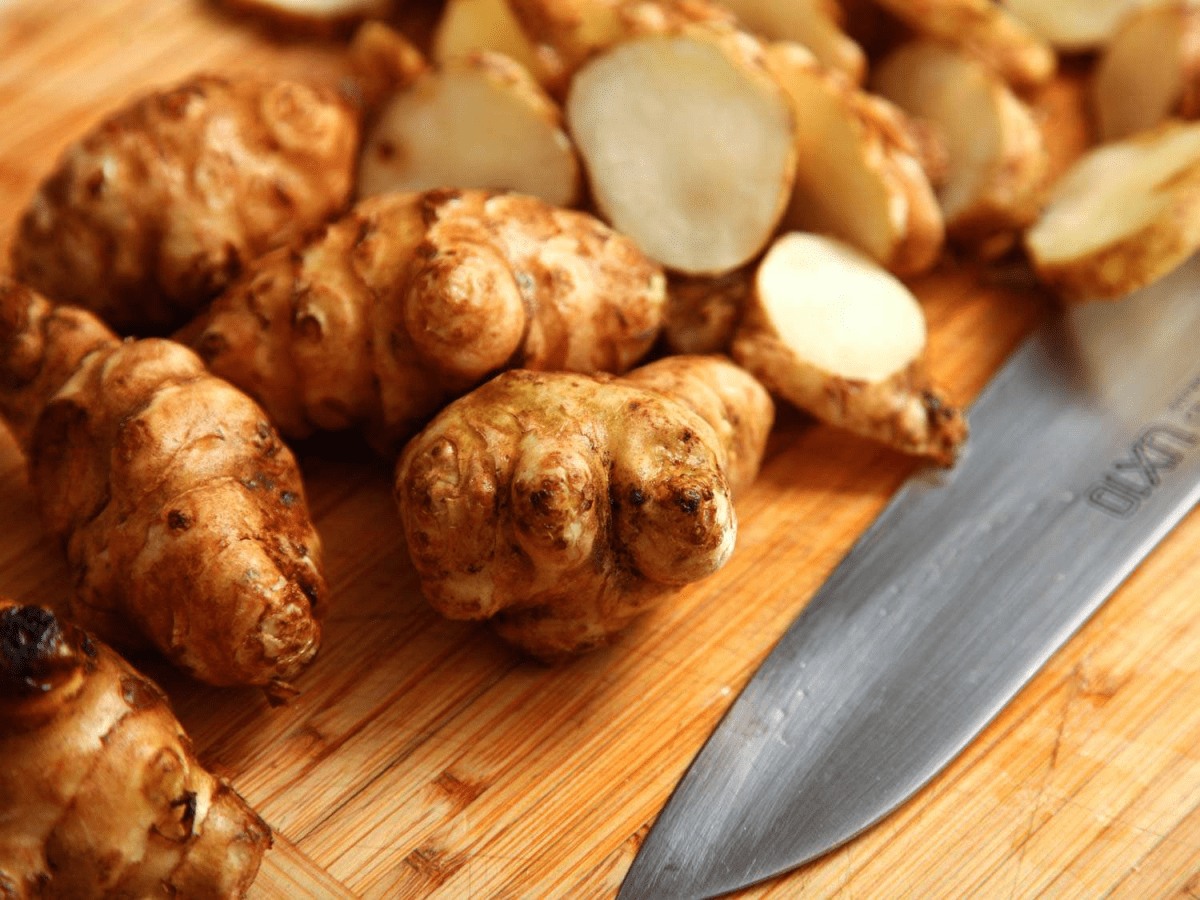
Description by @jominime
Aka: Jerusalem Artichoke.
rich in iron, vitamin C & B, 14-25% inulin (fiber), potassium, protein, copper, phosphorus & antioxidants.
eat the tubers roasted, boiled, raw in salads, or pickled.
good for gut microbiome support, leaky gut, IBS, constipation, post-antibiotic gut recovery, and general digestive health.
lowers blood sugar and improves insulin sensitivity.
inulin slows down how fast carbs hit your bloodstream, modulates gut bacteria in ways that improve insulin signaling, reduces GIP, and protects pancreatic insulin-producing cells.
sunchoke lowers total cholesterol, LDL, triglycerides, and blood pressure.
inulin binds bile acids in your gut, which forces your liver to burn through cholesterol to make new bile, lowering blood cholesterol levels. also reduces fat production in the liver. good for high cholesterol, atherosclerosis prevention, metabolic syndrome, and overall cardiovascular support.
inulin makes you feel full longer, slows down stomach emptying, stimulates the satiety hormones GLP-1 and PYY, and lowers ghrelin (the hunger hormone).
also shifts your gut bacteria toward the leaner-body bacterial profile.
good for weight management, metabolic syndrome, post-bariatric surgery support, and reducing food cravings.
increases how much calcium your gut absorbs from food.
fermentation creates a more acidic gut environment that dissolves calcium better, and short-chain fatty acids actively transport calcium across your gut lining.
especially good for osteoporosis prevention in postmenopausal women and for adolescents building peak bone density.
byproduct of fermenting sunchoke prevents and suppresses colon cancer.
butyrate triggers cancer cell self-destruct in colon cancer cells while actually FEEDING healthy colon cells. acts like an HDAC inhibitor.
sunchoke polysaccharides reduce lung injury in RSV (respiratory syncytial virus) infections.
good for general immune support, respiratory infection recovery, and as adjunct during cold/flu season.
sunchoke leaves and stems have antifungal activity through their sesquiterpene compounds (especially heliangine).
useful as a topical or wash for fungal skin infections, athlete's foot, and general antifungal support.
used traditionally as a poultice for wound healing and swelling reduction. apply crushed raw tuber to wounds, swellings, or skin irritation.
inulin is heavily fermented by gut bacteria, which produces gas. people new to high-inulin foods often experience significant gas, bloating, and loose stools at first. start small (a few small tuber pieces) and build up gradually over weeks to allow your gut microbiome to adapt.
one of the most efficient ethanol biofuel crops on earth.
the high inulin in the tubers converts directly to ethanol without needing expensive enzyme processing (unlike corn ethanol).
per-acre ethanol yields from sunchoke are estimated at 8,000-14,000 liters, compared to corn at 3,000-4,000 liters and sugarcane at 5,000-7,000 liters.
sunchoke pulls heavy metals out of contaminated soil.
the deep root system and aggressive growth let it suck cadmium, lead, zinc, copper, nickel, chromium, and arsenic out of polluted dirt and concentrate them in the plant tissue.
then you harvest the plant and dispose of the metals properly (or use the biomass for biofuel, with the metals captured during processing).
1-cup serving of sliced, raw sunchokes contains 110 calories, 3 grams of protein and 26.2 grams of carbohydrates, including 2.4 grams of fiber, or 25 percent of the daily value.
prepare/cook as you would potatoes.
can last all season, just put in fridge and keep it in a bag to retain moisture. if it dries out, soak it in water and put it back.
the tubers store fructose as inulin rather than starch, making sunchoke a key commercial source of fructose syrup and inulin powder for the food industry.
Related Plants
Plant information is for educational purposes only.