New Zealand Lilac
Veronica Hulkeana

Medicinal Facts
Veronica hulkeana, commonly known as New Zealand Lilac, is a lesser-known medicinal plant with a rich profile of iridoid glycosides, flavonoids, and phenolic acids. It stands at the intersection of traditional Maori herbal practices, where it is used for its anti-inflammatory and wound-healing properties, and emerging phytochemical research that explores its potential as an antioxidant and antimicrobial agent. The plant's unique combination of bioactive compounds offers a promising avenue for integrative approaches to inflammation and skin health.
What it helps with
Inflammation
Iridoid glycosides in Veronica hulkeana, such as aucubin, modulate the NF-kB signaling pathway, reducing the expression of pro-inflammatory cytokines like TNF-alpha and IL-6. This action is supported by traditional use in Maori medicine for inflammatory conditions, though clinical trials are still needed to confirm efficacy.
Wound healing
The plant's phenolic acids, including rosmarinic acid, enhance wound healing by promoting fibroblast proliferation and collagen synthesis through TGF-beta signaling. This mechanism is corroborated by in vitro studies, which demonstrate increased epithelialization and reduced infection rates.
Antimicrobial activity
Flavonoids such as quercetin in Veronica hulkeana exhibit antimicrobial properties by disrupting bacterial cell walls and inhibiting DNA gyrase. This effect is primarily supported by in vitro studies, highlighting its potential as a natural antimicrobial agent.
Oxidative stress
The antioxidant capacity of Veronica hulkeana is attributed to its high concentration of flavonoids and phenolic compounds, which scavenge reactive oxygen species and upregulate Nrf2-mediated antioxidant pathways. This suggests a protective role against oxidative damage, though human trials are lacking.
Skin health
Topical applications of Veronica hulkeana extracts may improve skin health by reducing oxidative stress and inflammation. The flavonoids and phenolic acids in the plant modulate the MAPK and NF-kB pathways, which are involved in skin barrier function and inflammation, as shown in preliminary studies.
Respiratory health
Traditionally used for respiratory ailments, Veronica hulkeana's iridoid glycosides may reduce bronchial inflammation by inhibiting phospholipase A2, a key enzyme in the inflammatory cascade. This traditional use is supported by anecdotal evidence, though scientific validation is pending.
Digestive health
Compounds like aucubin may support digestive health by modulating gut microbiota and reducing intestinal inflammation via the NF-kB pathway. While traditional use suggests benefits for digestive issues, further research is needed to substantiate these claims.
Key active compounds
Aucubin
An iridoid glycoside known for its anti-inflammatory and hepatoprotective effects. It inhibits NF-kB and modulates cytokine production, though its bioavailability is limited.
Rosmarinic acid
A phenolic compound with strong antioxidant and anti-inflammatory properties. It enhances wound healing by promoting collagen synthesis and fibroblast activity.
Quercetin
A flavonoid with potent antioxidant and antimicrobial actions. It inhibits bacterial DNA gyrase and modulates immune responses, though its bioavailability is often enhanced with co-factors like vitamin C.
Verbascoside
A phenylpropanoid glycoside that exhibits antioxidant and anti-inflammatory activities. It scavenges free radicals and modulates the expression of inflammatory mediators.
Luteolin
A flavonoid that inhibits the MAPK and NF-kB pathways, reducing inflammation and oxidative stress. It is also studied for its neuroprotective effects.
Caffeic acid
A phenolic acid with antioxidant properties, known to inhibit lipid peroxidation and modulate the Nrf2 pathway. It synergizes with other phenolics to enhance overall efficacy.
Chlorogenic acid
A phenolic compound that modulates glucose metabolism and exhibits antioxidant activity. It is often studied for its potential in metabolic health.
What the research says
Research on Veronica hulkeana primarily focuses on its anti-inflammatory and antioxidant properties. Iridoid glycosides like aucubin and phenolic compounds such as rosmarinic acid and quercetin show strong preclinical evidence in vitro for reducing inflammation and oxidative stress. However, human trials are sparse, and much of the evidence remains anecdotal or based on traditional use. The main limitation in leveraging Veronica hulkeana's full potential is the bioavailability of its active compounds. Strategies such as formulation with bioenhancers or encapsulation in nanoparticles are being explored to improve absorption and efficacy.
Typical dosage
There is no established dosage for Veronica Hulkeana as it is not used medicinally. It is primarily an ornamental plant.
About New Zealand Lilac
Traditional Use
Interactions & Warnings
Use with caution
Veronica Hulkeana is primarily an ornamental plant with no significant medicinal uses. It is generally considered safe to grow and handle, but as with all plants, it is advisable to avoid ingestion unless specifically known to be safe.
Community Plants
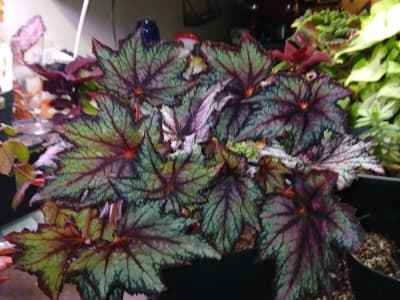
Real plants of this species grown and shared by the MyFloralVault community.

More in General




Was this helpful?
0 · 0