Malabar Tamarind
Garcinia Gummi-gutta

Medicinal Facts
Garcinia gummi-gutta, commonly known as Malabar Tamarind, is primarily known for its active compound hydroxycitric acid (HCA), which is studied for its potential effects on weight management and lipid metabolism. This plant sits at the intersection of traditional Southeast Asian culinary uses and modern research on appetite regulation and fat synthesis inhibition. HCA's unique mechanism involves the inhibition of ATP-citrate lyase, an enzyme pivotal in the conversion of carbohydrates into fats. The fruit's rind has been traditionally used for digestive health, reflecting its multifaceted role in both traditional and contemporary health paradigms.
What it helps with
Weight management
Hydroxycitric acid (HCA) inhibits ATP-citrate lyase, reducing the conversion of citrate to acetyl-CoA, a precursor for fatty acid synthesis. This enzymatic blockade may lead to decreased de novo lipogenesis and fat accumulation. Human trials are mixed, with some showing modest weight loss and appetite suppression, while others indicate limited effects, possibly due to variations in dosage and bioavailability.
Appetite suppression
HCA is believed to increase serotonin levels in the brain, potentially enhancing mood and reducing emotional eating. This serotonergic modulation is supported by animal studies, though human evidence remains preliminary and somewhat inconsistent.
Lipid metabolism
By inhibiting ATP-citrate lyase, HCA may lower blood lipid levels, including triglycerides and LDL cholesterol. This effect has been observed in animal models and small human trials, suggesting a potential role in managing hyperlipidemia.
Digestive health
Traditionally, the fruit's rind is used to aid digestion and relieve gastrointestinal discomfort. While specific molecular mechanisms are less documented, its use in traditional medicine suggests a mild digestive tonic effect.
Blood sugar regulation
HCA may influence glucose metabolism by modulating enzymes involved in carbohydrate digestion and insulin signaling pathways. Some animal studies indicate improved glucose tolerance, though human data are sparse and require further investigation.
Anti-inflammatory effects
The polyphenolic compounds in Garcinia gummi-gutta exhibit anti-inflammatory properties by modulating NF-kB and COX-2 pathways in vitro, though clinical evidence is limited and primarily anecdotal.
Antioxidant support
The fruit contains various antioxidants that scavenge free radicals and upregulate endogenous antioxidant enzymes like superoxide dismutase (SOD). This action is primarily supported by in vitro studies and suggests a potential role in oxidative stress reduction.
Key active compounds
Hydroxycitric Acid (HCA)
A citric acid derivative that inhibits ATP-citrate lyase, reducing fatty acid synthesis. It may also increase serotonin levels, influencing appetite and mood.
Garcinol
A polyisoprenylated benzophenone with potential anti-inflammatory and antioxidant properties, modulating pathways like NF-kB and COX-2.
Xanthones
Compounds with antioxidant activity, they may contribute to the plant's overall free radical scavenging effects.
Flavonoids
These compounds exhibit antioxidant and potential anti-inflammatory effects, supporting overall health and reducing oxidative stress.
Anthocyanins
Pigments with strong antioxidant properties, they may enhance the plant's protective effects against oxidative damage.
Citric acid
A natural preservative that may contribute to the fruit's sour taste and potential digestive benefits.
What the research says
Research on Garcinia gummi-gutta focuses primarily on its weight management potential, with hydroxycitric acid (HCA) being the most studied compound. Human trials on weight loss and appetite suppression show mixed results, often attributed to differences in study design, HCA dosage, and formulation. Preclinical studies suggest promising effects on lipid metabolism and blood sugar regulation, although these findings require further validation in larger human trials. The main limitation in research is the variability in HCA bioavailability and the lack of standardization in supplement formulations, which can be addressed by using standardized extracts and ensuring consistent dosing in clinical studies.
Typical dosage
For capsules, a common dosage is 500 mg to 1000 mg of Garcinia gummi-gutta extract, taken 30-60 minutes before meals, up to three times daily. For powders, 1-2 grams can be mixed with water or juice. As a tea or infusion, steep 1-2 teaspoons of dried rind in hot water for 10-15 minutes. Tinctures are typically taken in doses of 1-2 ml, diluted in water, up to three times daily. It's important to follow product-specific guidelines and consult a healthcare provider before use.
About Malabar Tamarind
Traditional Use
Preparations & Dosage
Preparations
- Tea / Infusion: Boil water and pour over 1-2 teaspoons of dried Garcinia gummi-gutta rind. Let it steep for 10-15 minutes. Strain and serve warm. Add honey or lemon for taste if desired.
- Capsule: Take 500 mg to 1000 mg of Garcinia gummi-gutta extract in capsule form, 30-60 minutes before meals, up to three times daily.
- Powder: Mix 1-2 grams of Garcinia gummi-gutta powder with water or juice. Stir well and consume immediately.
- Tincture: Dilute 1-2 ml of Garcinia gummi-gutta tincture in a glass of water. Take up to three times daily.
Interactions & Warnings
Use with caution
Garcinia gummi-gutta should be used with caution, especially by individuals with liver disease, as there have been reports of liver toxicity. Pregnant and breastfeeding women should avoid it due to insufficient safety data. It may interact with medications for diabetes and cholesterol.
Herb Interactions
May enhance serotonin levels, increasing the risk of serotonin syndrome when combined.
Community Plants
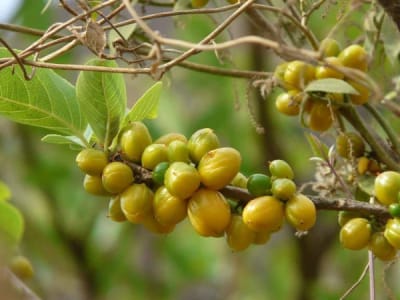
Real plants of this species grown and shared by the MyFloralVault community.

More in Metabolic Health




Was this helpful?
0 · 0
Care guides for related plants
Care Guide Available
Learn how to grow and care for Malabar Tamarind at home