Kesusu
Prainea Limpato
Medicinal Facts
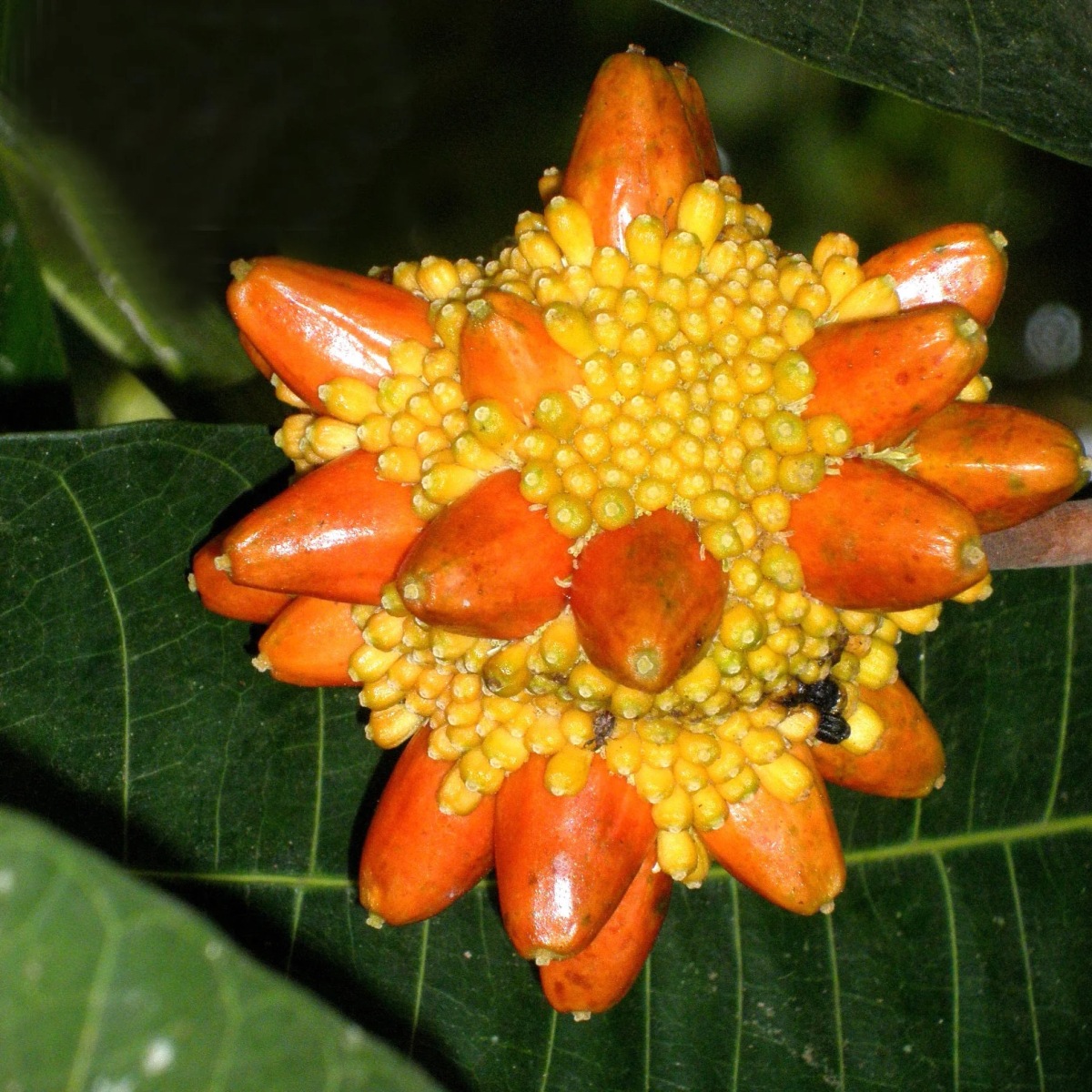
Prainea limpato, commonly known as Kesusu, is a lesser-known member of the Moraceae family, distinguished by its rich content of flavonoids and polyphenolic compounds. It sits at the intersection of traditional Southeast Asian medicine, where it is employed for its anti-inflammatory and antimicrobial properties, and emerging scientific research focusing on its potential antioxidant and neuroprotective effects. The plant's unique profile of phytochemicals, including catechins and quercetin derivatives, underpins its diverse therapeutic applications. While traditional uses emphasize its role in skin and digestive health, modern studies are exploring its impact on cellular oxidative stress and metabolic pathways.
What it helps with
Inflammation & pain
Flavonoids such as quercetin in Prainea limpato inhibit the NF-kB pathway, reducing the production of pro-inflammatory cytokines like IL-6 and TNF-alpha. This mechanism is supported by in vitro studies demonstrating significant anti-inflammatory activity, suggesting potential benefits in conditions like arthritis.
Antimicrobial effects
The plant's polyphenols, including catechins, have been shown to disrupt bacterial cell walls and inhibit the growth of pathogens such as Staphylococcus aureus. This antimicrobial action is primarily supported by traditional use and in vitro assays, highlighting its potential in managing skin infections.
Antioxidant support
Quercetin and other polyphenols in Kesusu scavenge free radicals and upregulate Nrf2, a transcription factor that enhances cellular antioxidant defenses. This effect has been observed in both in vitro and animal studies, suggesting a role in reducing oxidative stress-related cellular damage.
Neuroprotection
The neuroprotective potential of Kesusu is linked to its catechin content, which modulates pathways involved in neuronal survival and reduces neuroinflammation. Preclinical models indicate possible benefits in neurodegenerative conditions, although human evidence is lacking.
Metabolic health
Compounds like quercetin may improve metabolic parameters by activating AMPK, which enhances insulin sensitivity and reduces hepatic glucose production. Animal studies support these effects, suggesting a potential role in managing metabolic syndrome.
Skin health & wound healing
Traditionally used for skin conditions, Kesusu's flavonoids promote collagen synthesis and modulate TGF-beta signaling, aiding in wound healing and reducing inflammation. This is supported by traditional applications and preliminary in vitro studies.
Digestive support
The plant's traditional use in digestive health is attributed to its ability to modulate gut microbiota and reduce inflammation through NF-kB inhibition. While human trials are limited, its use in folk medicine suggests potential benefits for conditions like dyspepsia.
Key active compounds
Quercetin
A flavonoid that inhibits NF-kB and activates Nrf2, providing anti-inflammatory and antioxidant effects. It also modulates AMPK, influencing metabolic pathways.
Catechins
Polyphenolic compounds that exhibit antimicrobial and neuroprotective activities by disrupting microbial cell walls and modulating neuronal survival pathways.
Kaempferol
A flavonoid with antioxidant properties that enhances cellular resistance to oxidative stress by activating Nrf2 and modulating inflammatory pathways.
Rutin
A glycoside of quercetin that contributes to vascular health by strengthening capillary walls and reducing inflammation through NF-kB inhibition.
Gallic acid
A phenolic acid with strong antioxidant properties, known to scavenge free radicals and protect against oxidative damage.
Tannins
Polyphenolic compounds that contribute to antimicrobial and astringent properties, often used in traditional medicine for wound healing.
What the research says
Research on Prainea limpato is primarily preclinical, with a focus on its anti-inflammatory and antioxidant properties. Quercetin and catechins are the most studied compounds, showing promising results in vitro and animal models for reducing inflammation and oxidative stress. The antimicrobial effects are supported by traditional use and laboratory studies, but human trials are needed to confirm efficacy. The main limitation is the lack of human clinical trials, which is a common barrier in translating traditional uses into modern therapeutic applications. Efforts to improve bioavailability and standardize extracts are ongoing to facilitate further research.
Typical dosage
For a decoction, use 10-15 grams of dried Prainea limpato leaves or fruit per 500 ml of water. Boil for 20 minutes, then strain and consume up to twice daily. For powders, take 1-2 grams mixed with water or juice, up to three times a day. Capsules should be taken as directed on the product label, typically 500 mg, up to three times daily. Tinctures can be used at a dosage of 1-2 ml, diluted in water, up to three times daily.
About Kesusu
Traditional Use
Preparations & Dosage
Preparations
- Decoction: Combine 10-15 grams of dried Prainea limpato leaves or fruit with 500 ml of water. Bring to a boil, then simmer for 20 minutes. Strain and serve warm.
- Powder: Grind dried Prainea limpato leaves or fruit into a fine powder. Mix 1-2 grams with water or juice and consume.
Interactions & Warnings
Use with caution
Prainea limpato should be used with caution, particularly by individuals with known allergies to plants in the Moraceae family. Pregnant or breastfeeding women should consult a healthcare provider before use. High doses may cause gastrointestinal discomfort.
Herb Interactions
May enhance digestive effects, leading to potential gastrointestinal discomfort if taken in large amounts.
Community Plants
Real plants of this species grown and shared by the MyFloralVault community.
More in Digestive Health


Was this helpful?
0 · 0
Care guides for related plants
Care Guide Available
Learn how to grow and care for Kesusu at home