Insulin Plant
Chamaecostus Cuspidatus

Medicinal Facts
Chamaecostus cuspidatus, commonly known as the Insulin Plant, is renowned for its bioactive compound corosolic acid, which plays a pivotal role in glucose metabolism and insulin sensitivity. This plant stands at the intersection of traditional Indian medicine, where it is used to manage blood sugar levels, and modern pharmacological research focusing on its potential as a natural antidiabetic agent. Its unique ability to influence glucose uptake and insulin pathways makes it a subject of interest for both ethnobotanical and clinical studies. The plant's leaves are traditionally consumed for their purported hypoglycemic effects, supported by emerging scientific evidence.
What it helps with
Type 2 Diabetes
Corosolic acid, a triterpenoid, enhances glucose uptake by activating the GLUT4 transporter and modulating the insulin receptor substrate-1 (IRS-1) pathway. It also inhibits alpha-glucosidase, reducing postprandial glucose spikes. Evidence from animal studies and limited human trials suggests it may lower blood glucose levels and improve insulin sensitivity.
Metabolic Syndrome
The plant's compounds, including corosolic acid, activate AMP-activated protein kinase (AMPK), which enhances lipid metabolism and improves insulin sensitivity. This action helps in reducing hyperlipidemia and obesity-related complications, as observed in preclinical models.
Oxidative Stress
Chamaecostus cuspidatus contains flavonoids and phenolic acids that upregulate the Nrf2 pathway, leading to increased expression of antioxidant enzymes like superoxide dismutase (SOD) and catalase. This mechanism provides cellular protection against oxidative damage, as demonstrated in vitro and in animal studies.
Inflammation
The plant's bioactive components inhibit the NF-kB signaling pathway, reducing the production of pro-inflammatory cytokines such as TNF-alpha and IL-6. This anti-inflammatory effect has been validated in animal models of inflammation.
Cardiovascular Health
Corosolic acid and other constituents of the plant modulate endothelial nitric oxide synthase (eNOS), enhancing vasodilation and reducing blood pressure. Animal studies suggest potential benefits in managing hypertension and improving vascular function.
Weight Management
Through AMPK activation, corosolic acid promotes fatty acid oxidation and reduces lipogenesis, contributing to weight management. Preliminary studies in animal models indicate a reduction in body weight and adiposity.
Liver Health
The hepatoprotective effects are attributed to the plant's ability to modulate the Nrf2 pathway, enhancing detoxification and antioxidant defenses in hepatocytes. This is supported by animal studies showing protection against chemically induced liver damage.
Key active compounds
Corosolic Acid
A triterpenoid that enhances glucose uptake by activating GLUT4 and modulating IRS-1. It also inhibits alpha-glucosidase, contributing to its antidiabetic effects. Its bioavailability is moderate, often enhanced in formulations.
Flavonoids
These compounds exhibit antioxidant properties by upregulating Nrf2 and scavenging free radicals. They also contribute to the plant's anti-inflammatory effects by modulating NF-kB.
Phenolic Acids
Act as antioxidants and anti-inflammatory agents, enhancing the plant's ability to protect against oxidative stress and inflammation through Nrf2 and NF-kB pathways.
Catechins
A type of flavonoid that contributes to the plant's antioxidant capacity, influencing the Nrf2 pathway and providing cardiovascular benefits by improving endothelial function.
Saponins
These glycosides exhibit hypoglycemic effects by enhancing insulin sensitivity and modulating glucose metabolism. They also contribute to the plant's overall bioactivity.
Quercetin
A flavonoid with potent antioxidant and anti-inflammatory properties. It modulates NF-kB and enhances the activity of antioxidant enzymes, contributing to the plant's therapeutic effects.
What the research says
Research on Chamaecostus cuspidatus is primarily focused on its antidiabetic potential, with corosolic acid showing the strongest evidence in animal studies and limited human trials. These studies highlight its ability to modulate glucose metabolism and improve insulin sensitivity. Additionally, the plant's antioxidant and anti-inflammatory properties are supported by preclinical research, with flavonoids and phenolic acids playing key roles in these effects. The main limitation in translating these findings to clinical use is the bioavailability of corosolic acid and other active compounds. Strategies such as formulation enhancements and combination with other bioavailability enhancers are being explored to address this issue.
Typical dosage
For tea or infusion, steep 1-2 fresh or dried leaves in hot water for 5-10 minutes and consume once or twice daily. For capsules or powder, a typical dosage is 500 mg taken once or twice daily, but it is important to follow specific product guidelines. Tinctures can be taken at a dose of 1-2 ml up to three times daily. Always start with the lowest dose and adjust as needed under professional guidance.
About Insulin Plant
Traditional Use
Preparations & Dosage
Preparations
- Tea / Infusion: Boil water and pour over 1-2 fresh or dried leaves of the Insulin Plant. Let it steep for 5-10 minutes. Strain the leaves and drink the infusion warm. Add honey or lemon for taste if desired.
- Capsule: Take 500 mg of Insulin Plant leaf extract in capsule form with water, once or twice daily, preferably before meals.
- Powder: Mix 1 teaspoon of Insulin Plant leaf powder into smoothies, juices, or water. Consume once daily.
- Tincture: Use a dropper to measure 1-2 ml of Insulin Plant tincture and add to a small amount of water. Consume up to three times daily.
Interactions & Warnings
Use with caution
While Chamaecostus cuspidatus is traditionally used for blood sugar management, individuals with diabetes should use it cautiously and under medical supervision, as it may affect blood sugar levels. Pregnant or breastfeeding women should avoid it due to insufficient safety data.
Herb Interactions
Both herbs may lower blood sugar levels, potentially leading to hypoglycemia if used together.
Community Plants
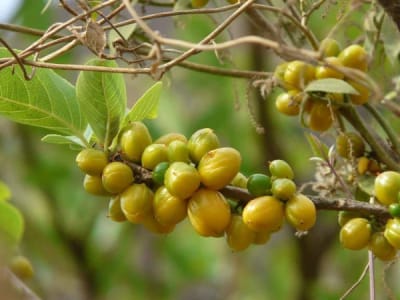
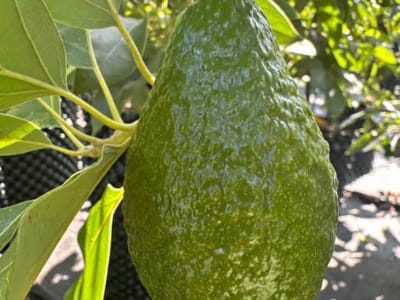
Real plants of this species grown and shared by the MyFloralVault community.

More in Metabolic Health




Was this helpful?
0 · 0
Care Guide Available
Learn how to grow and care for Insulin Plant at home