Indonesian Wax Ginger
Tapeinochilos Ananassae

Medicinal Facts
Tapeinochilos ananassae, commonly known as Indonesian Wax Ginger, is primarily valued for its bioactive compounds such as flavonoids and phenolic acids, which contribute to its anti-inflammatory and antimicrobial properties. This plant is at the intersection of traditional Javanese medicine, where it is used for digestive and skin ailments, and emerging pharmacological research focusing on its potential as an anti-inflammatory agent. Its unique phytochemistry also suggests a role in modulating oxidative stress and microbial infections, making it a subject of interest for both ethnobotanical studies and modern pharmacognosy.
What it helps with
Digestive health
Indonesian Wax Ginger contains flavonoids that may inhibit the activity of digestive enzymes such as alpha-amylase and lipase, potentially aiding in the management of digestive disorders. Traditional use supports its application for easing stomach discomfort and enhancing digestion, although clinical trials are limited.
Skin health & wound healing
The phenolic compounds in Tapeinochilos ananassae exhibit antimicrobial properties by disrupting microbial cell walls and inhibiting biofilm formation. These actions, coupled with anti-inflammatory effects via the inhibition of COX-2, suggest its use in traditional medicine for treating skin infections and promoting wound healing.
Anti-inflammatory effects
Flavonoids in the plant modulate the NF-kB signaling pathway, reducing the production of pro-inflammatory cytokines like IL-6 and TNF-alpha. This mechanism is supported by in vitro studies, aligning with traditional uses for inflammatory conditions.
Antimicrobial activity
The essential oils and phenolic acids from Indonesian Wax Ginger exhibit antimicrobial activity against a range of pathogens by disrupting cell membrane integrity. This supports its traditional use in treating infections, though human trials are needed to confirm efficacy.
Oxidative stress reduction
The antioxidant capacity of Tapeinochilos ananassae is attributed to its high flavonoid content, which scavenges free radicals and upregulates the Nrf2 pathway, enhancing cellular antioxidant defenses. This is primarily supported by in vitro studies.
Respiratory health
Traditionally used for respiratory ailments, the plant's compounds may reduce bronchial inflammation through COX-2 inhibition and modulation of histamine release. The evidence is mostly anecdotal and requires further clinical validation.
Anti-cancer potential
Preliminary in vitro studies suggest that the plant's phenolic compounds may induce apoptosis in certain cancer cell lines by modulating the p53 pathway. This area remains speculative and is primarily a focus of ongoing research.
Key active compounds
Flavonoids
These compounds, including quercetin derivatives, are known for their anti-inflammatory and antioxidant activities. They inhibit enzymes like COX-2 and modulate signaling pathways such as NF-kB, though bioavailability may be limited.
Phenolic acids
These acids contribute to the plant's antimicrobial and antioxidant properties by disrupting microbial membranes and scavenging free radicals, respectively.
Essential oils
The essential oils contain terpenes that exhibit antimicrobial activity by affecting microbial cell wall integrity and enhancing the absorption of other compounds.
Saponins
These compounds may contribute to the plant's traditional use in respiratory health by modulating mucus production and exhibiting anti-inflammatory effects.
Tannins
Tannins provide astringent properties, which may support wound healing and skin health by precipitating proteins and forming a protective layer over tissues.
Alkaloids
Present in smaller quantities, these compounds may contribute to the plant's bioactivity by interacting with neurotransmitter receptors, though specific pathways remain under-researched.
What the research says
Research on Tapeinochilos ananassae is primarily preclinical, with a focus on its anti-inflammatory and antimicrobial properties. Flavonoids and phenolic acids are the most studied compounds, showing potential in vitro for modulating inflammation and fighting microbial infections. Human studies are sparse, limiting the direct clinical application of these findings. The main limitation is the lack of bioavailability data and standardized extracts, which are crucial for translating traditional uses into modern therapeutic contexts. Future studies should focus on these aspects to enhance the plant's medicinal profile.
Typical dosage
Due to the limited research on Tapeinochilos ananassae, there is no standardized dosage for its use. Traditional preparations, such as decoctions or poultices, are typically made using small amounts of the plant material. It is advisable to consult with a qualified healthcare provider before using this plant for medicinal purposes.
About Indonesian Wax Ginger
Traditional Use
Preparations & Dosage
Preparations
- Decoction: Boil a handful of fresh or dried Tapeinochilos ananassae leaves in water for 15-20 minutes. Strain the liquid and allow it to cool before use.
- Poultice: Crush fresh leaves into a paste and apply directly to the affected area. Cover with a clean cloth and leave for 20-30 minutes.
- Infusion: Steep fresh leaves in hot water for 10-15 minutes. Strain and allow to cool before applying to the skin.
Interactions & Warnings
Use with caution
While Tapeinochilos ananassae is primarily used ornamentally, any medicinal use should be approached with caution due to limited research on its safety and efficacy. Pregnant or breastfeeding women, as well as individuals with known allergies to plants in the Costaceae family, should avoid use.
Community Plants
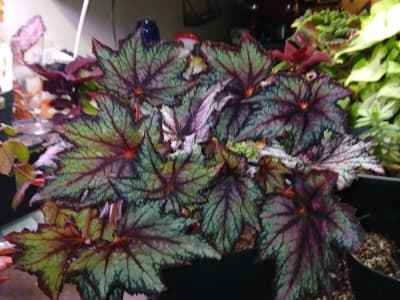
Real plants of this species grown and shared by the MyFloralVault community.

More in General




Was this helpful?
0 · 0