Eclipse Hydrangea
Hydrangea Macrophylla

Medicinal Facts
Hydrangea macrophylla, commonly known as Eclipse Hydrangea, is notable for its bioactive compounds such as hydrangenol and isoquercitrin, which are central to its medicinal applications. This plant sits at the intersection of traditional Chinese medicine, where it has been used for kidney and urinary health, and contemporary research exploring its anti-inflammatory and antioxidant properties. Its unique phytochemistry offers potential in modulating immune responses and protecting against oxidative stress, although its use in Western herbalism is still emerging.
What it helps with
Kidney & urinary health
Hydrangenol, a coumarin derivative found in Hydrangea macrophylla, is traditionally used to support kidney function and promote urinary health. It is believed to exert its effects by inhibiting the formation of calcium oxalate crystals, which are a major component of kidney stones. In vitro studies suggest that hydrangenol may modulate renal epithelial cell function and reduce oxidative stress, although human clinical data are limited.
Anti-inflammatory effects
Isoquercitrin, a flavonoid in Hydrangea macrophylla, has been shown to inhibit the NF-kB pathway, reducing the expression of pro-inflammatory cytokines such as TNF-a and IL-1b. This mechanism is supported by animal studies demonstrating reduced inflammation in models of arthritis and colitis, highlighting its potential as an anti-inflammatory agent.
Antioxidant activity
The plant's antioxidant properties are attributed to its high content of flavonoids and phenolic acids, including hydrangenol. These compounds scavenge free radicals and upregulate the Nrf2 pathway, enhancing the expression of endogenous antioxidant enzymes like superoxide dismutase (SOD) and catalase. This action has been observed in both in vitro and animal studies, suggesting a protective role against oxidative stress.
Immune modulation
Compounds such as hydrangenol may modulate immune function by influencing the balance of Th1 and Th2 cytokines. This modulation is thought to occur through the suppression of NF-kB and MAPK signaling pathways, which play crucial roles in immune cell activation and response. Preliminary studies indicate potential benefits in autoimmune conditions, although clinical evidence is still forthcoming.
Liver protection
Hydrangea macrophylla has been traditionally used for liver health, with hydrangenol demonstrating hepatoprotective effects in preclinical studies. It appears to reduce liver enzyme levels and histopathological damage in models of chemically induced liver injury, potentially through its antioxidant and anti-inflammatory actions.
Diabetes management
Isoquercitrin has shown promise in modulating glucose metabolism by enhancing insulin sensitivity and reducing blood glucose levels. This effect is mediated through the activation of AMPK and the modulation of GLUT4 translocation in skeletal muscle cells. Animal studies have provided preliminary support for its use in managing type 2 diabetes, though human trials are needed.
Bone health
Hydrangenol may support bone health by inhibiting osteoclast differentiation and activity, which are processes mediated by the RANKL signaling pathway. This effect has been observed in vitro, suggesting a potential role in preventing bone loss and conditions like osteoporosis, although more research is required to confirm these benefits in humans.
Key active compounds
Hydrangenol
A coumarin derivative that exhibits anti-inflammatory and antioxidant properties. It inhibits NF-kB and reduces oxidative stress by enhancing Nrf2-mediated pathways. Its bioavailability and specific pharmacokinetics in humans are not well characterized.
Isoquercitrin
A flavonoid that modulates inflammation and glucose metabolism. It inhibits NF-kB and activates AMPK, contributing to its anti-inflammatory and potential antidiabetic effects. Isoquercitrin is known for its relatively high bioavailability compared to other flavonoids.
Quercetin
A well-known flavonoid with broad anti-inflammatory and antioxidant activities. It stabilizes mast cells and inhibits lipid peroxidation, although its bioavailability is often limited without formulation enhancements.
Chlorogenic acid
A phenolic acid that contributes to the plant's antioxidant profile. It inhibits lipid peroxidation and modulates glucose metabolism through AMPK activation. It is often studied for its role in metabolic health.
Kaempferol
A flavonoid with anti-inflammatory and antioxidant properties. It inhibits pro-inflammatory cytokines and supports endothelial function, although its absorption can be variable.
Caffeic acid
A phenolic compound that provides antioxidant benefits by scavenging free radicals and enhancing the body's own antioxidant defenses. It is well absorbed and contributes to the overall bioactivity of the plant.
What the research says
Research on Hydrangea macrophylla is primarily preclinical, with a focus on its anti-inflammatory and antioxidant effects. Hydrangenol and isoquercitrin are the most studied compounds, showing promise in animal models for reducing inflammation and oxidative stress. Human trials are sparse, but there is growing interest in its potential applications for kidney health and metabolic disorders. The main limitation in its research is the lack of comprehensive human studies and detailed pharmacokinetic data. Efforts to improve bioavailability, such as using standardized extracts or combining with absorption enhancers, are ongoing to better translate preclinical findings into clinical settings.
Typical dosage
For tea or infusion, use 1-2 teaspoons of dried root per cup of boiling water, steep for 10-15 minutes, and consume up to twice daily. For tinctures, a common dosage is 1-2 ml taken up to three times daily. Capsules typically contain 500 mg of powdered root, with a recommended dose of one capsule up to twice daily. It's crucial to adhere to recommended dosages due to the potential toxicity of cyanogenic compounds.
About Eclipse Hydrangea
Traditional Use
Preparations & Dosage
Preparations
- Tea / Infusion: Use 1-2 teaspoons of dried Hydrangea root per cup of boiling water. Steep for 10-15 minutes, then strain. Consume warm, up to twice daily.
- Tincture: Use a standard tincture ratio of 1:5 (herb to alcohol). Take 1-2 ml up to three times daily. Shake well before use.
- Capsule: Take one 500 mg capsule up to twice daily with meals. Ensure capsules are from a reputable source to avoid contamination.
- Poultice: Crush fresh leaves and apply directly to the affected area. Cover with a clean cloth and leave for 20-30 minutes.
Interactions & Warnings
Use with caution
Hydrangea macrophylla contains cyanogenic glycosides, which can release cyanide when metabolized. It should be used with caution and under professional guidance. Pregnant or breastfeeding women and individuals with liver or kidney conditions should avoid its use.
Herb Interactions
May increase photosensitivity when combined, leading to a higher risk of sunburn.
Potential for increased bleeding risk due to blood-thinning properties.
Community Plants
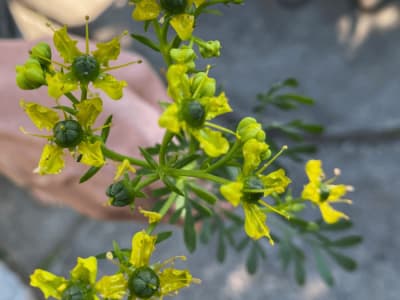
Real plants of this species grown and shared by the MyFloralVault community.


More in Pain & Inflammation






Was this helpful?
0 · 0