Chinese Toon
Toona Sinensis

Medicinal Facts
Toona sinensis, commonly known as Chinese Toon, is a medicinal plant rich in bioactive compounds such as quercetin, kaempferol, and various sesquiterpenes. This plant sits at the intersection of traditional Chinese medicine, where it is used for its anti-inflammatory and digestive properties, and contemporary pharmacological research that investigates its antioxidant and anticancer potential. The plant's leaves, bark, and roots are utilized, with a growing body of evidence supporting its role in modulating oxidative stress and cellular signaling pathways.
What it helps with
Inflammation
Quercetin and kaempferol in Toona sinensis inhibit the NF-kB signaling pathway, reducing the expression of pro-inflammatory cytokines such as TNF-alpha and IL-6. Animal studies suggest these flavonoids can significantly decrease inflammatory markers, supporting traditional uses for inflammatory conditions.
Antioxidant support
The high flavonoid content, particularly quercetin, acts as a potent scavenger of reactive oxygen species (ROS), enhancing the activity of endogenous antioxidant enzymes like superoxide dismutase (SOD) and catalase. This action is well-documented in vitro and in animal models, indicating a strong potential for reducing oxidative stress.
Cancer research
Toona sinensis extracts have shown antiproliferative effects in vitro against various cancer cell lines, primarily through the induction of apoptosis via the mitochondrial pathway and modulation of the PI3K/Akt signaling pathway. While promising, these findings are primarily preclinical.
Cardiovascular health
Kaempferol in Toona sinensis may enhance endothelial function by upregulating endothelial nitric oxide synthase (eNOS), promoting vasodilation and improving blood flow. Preliminary animal studies support its potential role in managing hypertension and atherosclerosis.
Immune modulation
The sesquiterpenes in Toona sinensis modulate immune responses by affecting the production of interleukins and interferons, potentially enhancing the body's defense mechanisms. This is supported by traditional uses for immune system support, though clinical evidence is limited.
Digestive health
Traditionally used for digestive issues, Toona sinensis may exert its effects through the modulation of gut microbiota and enhancement of digestive enzyme activity, as suggested by animal studies. The exact molecular mechanisms remain under investigation.
Neuroprotection
Quercetin crosses the blood-brain barrier and may exert neuroprotective effects by modulating oxidative stress and inflammation in neural tissues. Preclinical studies indicate potential benefits for neurodegenerative conditions, though human trials are needed.
Key active compounds
Quercetin
A flavonoid that acts as a potent antioxidant and anti-inflammatory agent. It modulates NF-kB and PI3K/Akt pathways and enhances the activity of antioxidant enzymes.
Kaempferol
A flavonoid known for its cardiovascular benefits, including the upregulation of eNOS and modulation of oxidative stress pathways. Its bioavailability is moderate, often requiring high doses for significant effects.
Sesquiterpenes
These compounds contribute to the plant's anti-inflammatory and immune-modulating properties, affecting cytokine production and signaling pathways.
Triterpenoids
Known for their anticancer properties, they induce apoptosis and inhibit proliferation in cancer cells, primarily through mitochondrial and PI3K/Akt pathways.
Phenolic acids
These compounds provide antioxidant benefits by scavenging free radicals and enhancing the body's endogenous antioxidant defenses.
Polysaccharides
They exhibit immunomodulatory effects and may enhance the activity of immune cells, contributing to the plant's traditional use in immune support.
What the research says
Research on Toona sinensis is expanding, with a focus on its antioxidant and anti-inflammatory properties. Quercetin and kaempferol have the strongest evidence from animal models and in vitro studies, particularly in inflammation and oxidative stress modulation. Cancer research is mostly preclinical, with promising results in cell line studies, but human trials are lacking. The main limitation is the bioavailability of its active compounds, which is often addressed through formulation strategies such as encapsulation or combination with bioenhancers to improve absorption and efficacy.
Typical dosage
For tea or infusion, use 1-2 teaspoons of dried leaves per cup of boiling water, steep for 5-10 minutes, and consume up to three times daily. For tinctures, take 1-2 ml up to three times per day. Fresh leaves can be used in cooking as a vegetable. Capsules or extracts should be taken according to the manufacturer's instructions, typically 500 mg up to twice daily.
About Chinese Toon
Traditional Use
Preparations & Dosage
Preparations
- Tea / Infusion: Bring water to a boil and pour over 1-2 teaspoons of dried Toona sinensis leaves. Let it steep for 5-10 minutes, then strain and serve. Add honey or lemon for flavor if desired.
- Tincture: Combine fresh or dried Toona sinensis leaves with alcohol in a 1:5 ratio. Seal in a jar and store in a cool, dark place for 4-6 weeks, shaking occasionally. Strain and store the liquid in a dark glass bottle.
- Capsule: Use commercially prepared Toona sinensis capsules, following the dosage instructions provided by the manufacturer.
Interactions & Warnings
Use with caution
Toona sinensis is generally considered safe for most people when consumed in typical dietary amounts. However, individuals with allergies to plants in the Meliaceae family should exercise caution. Pregnant and breastfeeding women should consult healthcare providers before use.
Herb Interactions
Both herbs have anti-inflammatory properties, which may enhance each other's effects when combined.
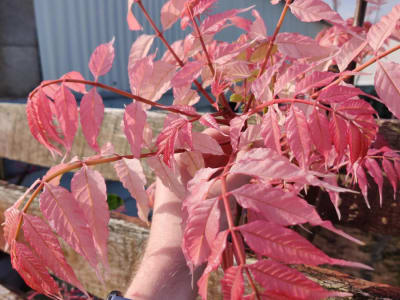
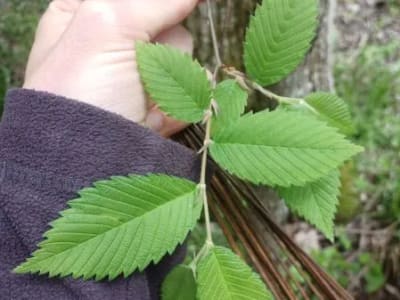
Community Plants
Real plants of this species grown and shared by the MyFloralVault community.
More in Digestive Health




Was this helpful?
0 · 0
Care Guide Available
Learn how to grow and care for Chinese Toon at home