Bristly Buttons
Cotula Hispida
Medicinal Facts
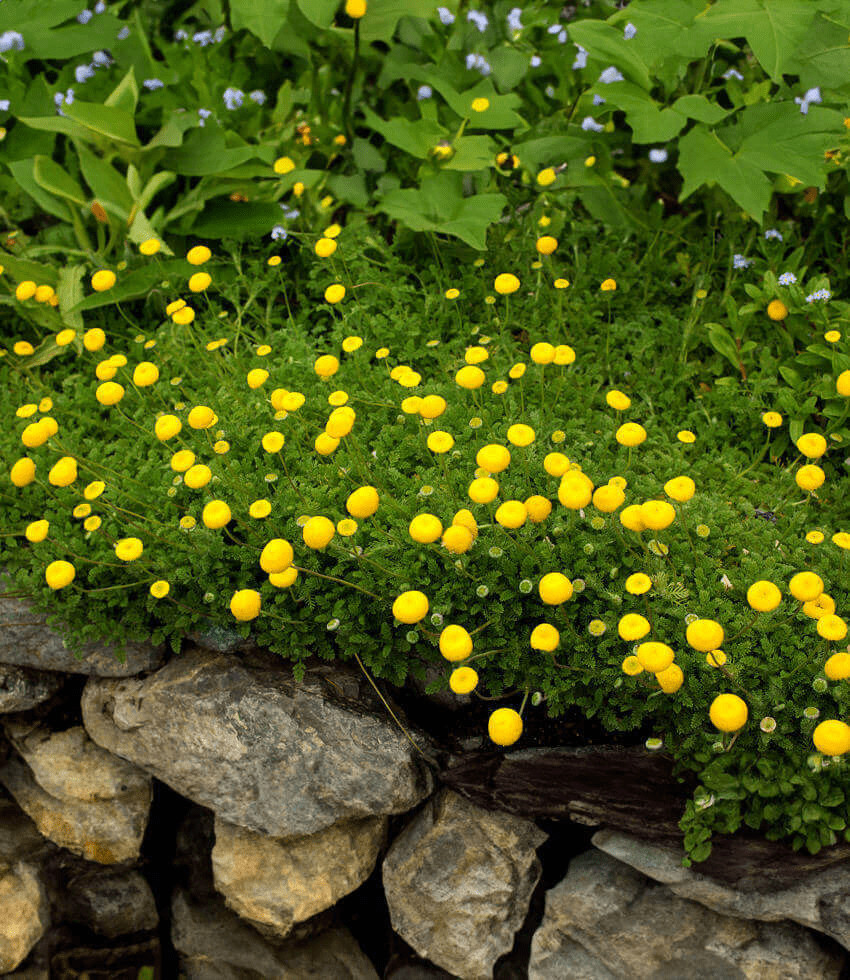
Cotula hispida, commonly known as Bristly Buttons, is a lesser-known member of the Asteraceae family, valued for its traditional use in wound healing and its potential anti-inflammatory properties. The plant's primary active compounds include sesquiterpene lactones and flavonoids, which position it at the intersection of traditional herbal medicine and emerging phytochemical research. While not extensively studied, its unique sesquiterpene profile suggests potential modulation of inflammatory pathways. This plant's traditional applications are primarily topical, aligning with its pharmacological potential for skin-related conditions.
What it helps with
Wound healing
Sesquiterpene lactones in Cotula hispida may enhance wound healing by modulating the NF-kB pathway, reducing pro-inflammatory cytokines such as TNF-alpha and IL-1beta. Traditional uses support its application in minor cuts and abrasions, although empirical evidence is primarily anecdotal or derived from related species.
Anti-inflammatory support
The flavonoids in Cotula hispida, such as quercetin, may inhibit the COX-2 enzyme and downregulate NF-kB activity, contributing to reduced inflammation. This mechanism is supported by in vitro studies on related Asteraceae species, suggesting potential applications for inflammatory skin conditions.
Antimicrobial activity
Compounds in Cotula hispida, particularly sesquiterpene lactones, may disrupt microbial cell membranes and inhibit bacterial growth. This traditional use in topical applications for infection prevention is supported by initial in vitro studies on similar plants.
Skin conditions
The plant's sesquiterpene lactones may modulate keratinocyte proliferation and reduce inflammation via NF-kB inhibition, potentially benefiting conditions like eczema. While traditional use supports this, clinical evidence remains limited.
Digestive health
Traditionally, Cotula hispida has been used to support digestive health, possibly through its anti-inflammatory effects on the gut lining, mediated by flavonoids like quercetin that inhibit NF-kB and COX-2 pathways. Evidence is largely anecdotal or based on related species.
Pain relief
The analgesic properties of Cotula hispida may be attributed to its sesquiterpene lactones, which could inhibit prostaglandin synthesis via COX-2 inhibition. This is primarily supported by traditional use and related species studies.
Respiratory support
Traditionally, Cotula hispida has been used for respiratory conditions, potentially through its anti-inflammatory and antimicrobial actions. Flavonoids like quercetin may reduce airway inflammation by modulating NF-kB, though direct evidence for Cotula hispida is limited.
Key active compounds
Sesquiterpene lactones
These compounds are known for their anti-inflammatory and antimicrobial properties. They can inhibit NF-kB and COX-2, reducing inflammation and potentially disrupting microbial cell membranes.
Quercetin
A flavonoid that inhibits COX-2 and NF-kB, contributing to anti-inflammatory effects. It is well-studied for its antioxidant properties and potential to enhance cellular resilience.
Apigenin
Another flavonoid with anti-inflammatory and antioxidant effects, apigenin modulates NF-kB and may enhance wound healing by promoting collagen synthesis.
Luteolin
A flavonoid known for its anti-inflammatory and antioxidant activities. It inhibits NF-kB and can enhance the plant's overall anti-inflammatory profile.
Phenolic acids
These compounds contribute to the plant's antioxidant capacity, scavenging free radicals and potentially enhancing wound healing.
Tannins
Known for their astringent properties, tannins may support wound healing by promoting tissue contraction and reducing inflammation.
Essential oils
These volatile compounds may enhance the antimicrobial and anti-inflammatory effects of Cotula hispida, although specific components are less characterized.
What the research says
Research on Cotula hispida is limited, with most evidence derived from traditional uses and studies on related species. Sesquiterpene lactones and flavonoids like quercetin and luteolin show promise in preclinical models for their anti-inflammatory and antimicrobial properties. However, human clinical trials are lacking, and most evidence is anecdotal or based on in vitro studies. The main limitation in advancing Cotula hispida's medicinal use is the lack of comprehensive studies on its bioavailability and pharmacokinetics. Addressing these gaps through targeted research could validate traditional uses and uncover new therapeutic applications.
Typical dosage
For topical use, prepare an infusion by steeping 1-2 teaspoons of dried Cotula hispida in hot water for 10-15 minutes, then allow it to cool before applying to the skin. For poultices, crush fresh leaves and apply directly to the affected area, covering with a clean cloth. Essential oil, if available, should be diluted with a carrier oil before use. There is no standardized dosage for internal use, and it is not recommended due to limited safety data.
About Bristly Buttons
Traditional Use
Preparations & Dosage
Preparations
- Infusion: Steep 1-2 teaspoons of dried Cotula hispida in a cup of hot water for 10-15 minutes. Allow to cool before using as a wash or compress on the skin.
- Poultice: Crush fresh leaves and apply directly to the affected area. Cover with a clean cloth and leave for 20-30 minutes.
- Topical application: Use a diluted essential oil preparation, if available, by mixing a few drops with a carrier oil and applying to the skin.
Interactions & Warnings
Use with caution
Cotula hispida should be used with caution, especially in individuals with allergies to plants in the Asteraceae family. It is not widely studied for medicinal use, and its effects are largely anecdotal. Pregnant or breastfeeding women should avoid using this plant due to the lack of safety data.
Herb Interactions
Both belong to the Asteraceae family and may cause allergic reactions in sensitive individuals.
Community Plants
Real plants of this species grown and shared by the MyFloralVault community.

More in General




Was this helpful?
0 · 0