Blue Myrtle-cactus
Myrtillocactus Geometrizans
Medicinal Facts
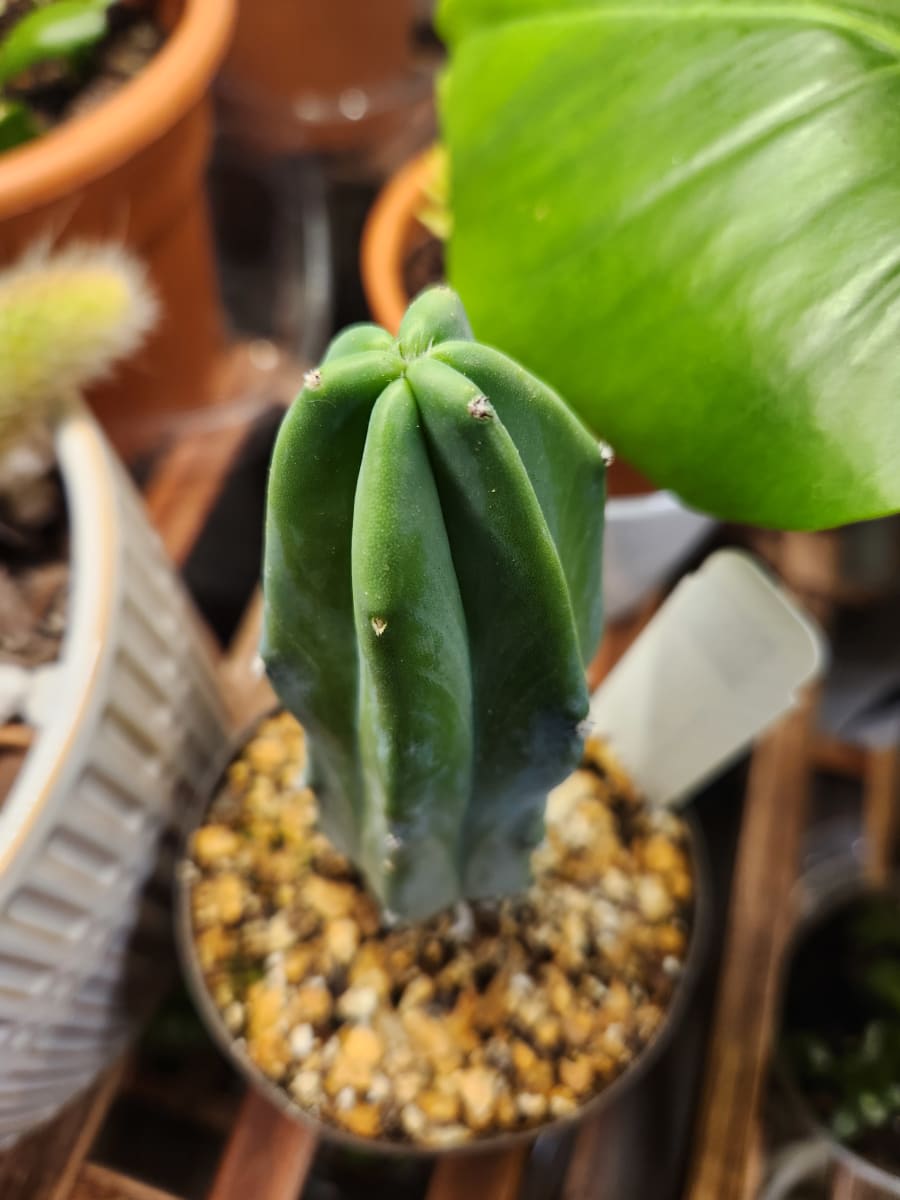
Myrtillocactus geometrizans, commonly known as Blue Myrtle-cactus, is a member of the Cactaceae family prized for its bioactive alkaloids and flavonoids. It stands at the intersection of traditional Mexican herbal medicine, where it has been used for its anti-inflammatory and hypoglycemic properties, and modern pharmacological research exploring its potential in metabolic syndrome and neuroprotection. The plant's bioactive profile is dominated by compounds like tyramine and hordenine, which have been studied for their effects on neurotransmitter modulation and glucose metabolism.
What it helps with
Blood sugar regulation
Hordenine, an alkaloid present in Myrtillocactus geometrizans, may enhance insulin sensitivity by activating the AMPK pathway, which is crucial for glucose uptake in muscle cells. This mechanism is supported by animal studies showing improved glycemic control.
Neuroprotection
The flavonoids in Myrtillocactus geometrizans, particularly quercetin, can modulate neuroinflammation by inhibiting the NF-kB pathway and reducing oxidative stress through Nrf2 activation. These effects are primarily observed in vitro and animal models, indicating potential for cognitive support.
Mood and anxiety
Tyramine, another alkaloid in the cactus, acts as a monoamine oxidase inhibitor (MAOI), which can increase the levels of serotonin and dopamine in the brain. This mechanism suggests a traditional use for mood enhancement, although clinical evidence is limited.
Anti-inflammatory effects
Quercetin and other flavonoids inhibit the cyclooxygenase (COX) enzymes and reduce pro-inflammatory cytokines such as IL-6 and TNF-alpha. These actions have been validated in preclinical studies, supporting traditional uses for inflammation-related conditions.
Antioxidant support
The cactus exhibits strong antioxidant properties due to its high flavonoid content, which can scavenge free radicals and upregulate endogenous antioxidant enzymes like superoxide dismutase (SOD). This is supported by in vitro studies.
Cardiovascular health
Hordenine's ability to activate beta-adrenergic receptors may contribute to improved cardiovascular function by enhancing vasodilation and reducing blood pressure. Animal studies provide some evidence for these effects.
Weight management
Hordenine may also promote lipolysis by stimulating adrenergic receptors, which can enhance fat breakdown and energy expenditure. This mechanism is primarily supported by animal research.
Key active compounds
Hordenine
An alkaloid that acts as a beta-adrenergic receptor agonist, enhancing lipolysis and potentially improving metabolic rate. It also shows MAOI activity, which can affect mood.
Tyramine
A naturally occurring monoamine compound that influences neurotransmitter release by acting as an MAOI, potentially affecting mood and energy levels.
Quercetin
A flavonoid with potent antioxidant and anti-inflammatory properties, inhibiting NF-kB and COX pathways. It enhances cellular antioxidant defenses via Nrf2 activation.
Caffeic acid
A phenolic compound with antioxidant activity, scavenging free radicals and modulating inflammatory pathways. It may contribute to the plant's overall anti-inflammatory effects.
Ferulic acid
An antioxidant that can enhance the stability and activity of other antioxidants, providing synergistic effects in reducing oxidative stress.
Kaempferol
A flavonoid that exhibits anti-inflammatory and antioxidant activities by inhibiting key signaling pathways such as NF-kB and activating Nrf2.
Beta-sitosterol
A plant sterol with cholesterol-lowering properties, potentially contributing to cardiovascular health by inhibiting cholesterol absorption in the intestines.
What the research says
Research on Myrtillocactus geometrizans is primarily preclinical, focusing on its alkaloids and flavonoids. Hordenine and tyramine have shown promising effects on metabolic and neurological pathways in animal models, but human trials are lacking. Quercetin and other flavonoids provide a strong antioxidant and anti-inflammatory foundation, with evidence from in vitro and animal studies supporting potential health benefits. The main limitation is the lack of clinical trials, particularly concerning bioavailability and effective dosing in humans. Future research should focus on these areas to better translate preclinical findings into practical applications.
Typical dosage
For raw consumption, the fruit can be eaten as desired, similar to other berries. For juice, blend the fruit and strain to taste. If using as an infusion, steep the fruit or cactus pads in hot water for 10-15 minutes. For topical applications, ensure the cactus is properly prepared to avoid skin irritation, applying a small amount to the skin as needed.
About Blue Myrtle-cactus
Traditional Use
Preparations & Dosage
Preparations
- Raw consumption: Harvest the ripe garambullo fruit. Wash thoroughly to remove any debris. Consume directly as you would with other berries.
- Juice: Blend the ripe garambullo fruit with a small amount of water. Strain the mixture to remove seeds and pulp. Serve chilled.
- Infusion: Cut the cactus pads or fruit into small pieces. Steep in hot water for 10-15 minutes. Strain and serve warm.
Interactions & Warnings
Use with caution
Myrtillocactus geometrizans is generally considered safe for most individuals. However, those with allergies to cacti should avoid contact or consumption. Always ensure proper identification before use, as some cacti can be toxic.
Community Plants
Real plants of this species grown and shared by the MyFloralVault community.

More in General





Was this helpful?
0 · 0
Care Guide Available
Learn how to grow and care for Blue Myrtle-cactus at home