Black Sapote
Diospyros Nigra
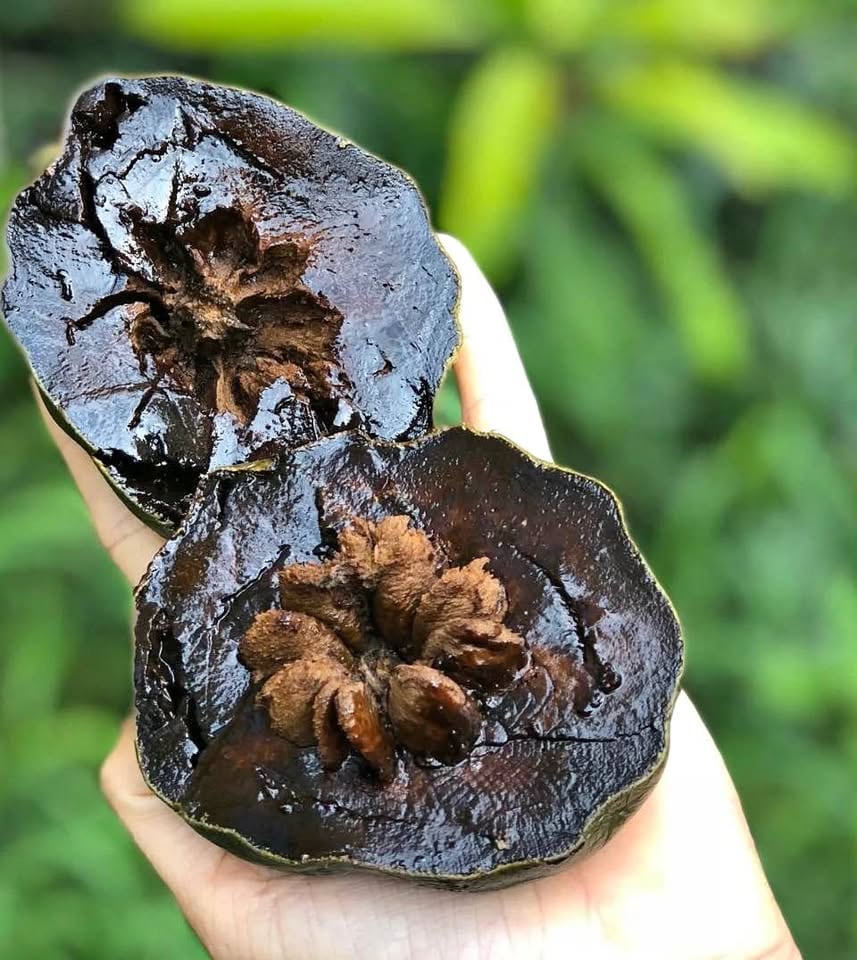
Medicinal Facts
Black Sapote, or Diospyros nigra, is renowned for its rich content of carotenoids, particularly beta-carotene, and vitamin C, placing it at the intersection of traditional Central American dietary practices and modern nutritional research. Known as the 'chocolate pudding fruit', it is traditionally consumed for its purported benefits on vision and immune health. Modern studies explore its antioxidant potential, focusing on its ability to modulate oxidative stress and inflammation through pathways like Nrf2 and NF-kB. Despite its culinary appeal, its medicinal properties are still being unraveled, with a growing interest in its role in metabolic health.
What it helps with
Vision & eye health
Beta-carotene, a precursor to vitamin A, is abundant in Black Sapote and plays a crucial role in maintaining healthy vision. It is converted to retinol, which is essential for the synthesis of rhodopsin, a pigment in the retina that absorbs light. Traditional use supports its role in preventing night blindness, though direct clinical trials are limited.
Immune support
The high vitamin C content in Black Sapote enhances immune function by stimulating the production and function of leukocytes. Vitamin C also acts as a potent antioxidant, reducing oxidative stress by scavenging free radicals and regenerating other antioxidants like glutathione. Human trials on vitamin C support its role in reducing the duration of common colds.
Antioxidant activity
Carotenoids and vitamin C in Black Sapote activate the Nrf2 pathway, which upregulates the expression of antioxidant enzymes such as superoxide dismutase and catalase. This reduces oxidative damage at the cellular level, a mechanism well-supported by in vitro studies.
Anti-inflammatory effects
Compounds in Black Sapote may modulate the NF-kB signaling pathway, which is central to the inflammatory response. By inhibiting NF-kB, these compounds reduce the expression of pro-inflammatory cytokines like TNF-alpha and IL-6, though this is primarily supported by preclinical research.
Metabolic health
Emerging research suggests that Black Sapote's fiber content can aid in glycemic control by slowing carbohydrate absorption and improving insulin sensitivity. This is complemented by its antioxidant properties, which may reduce oxidative stress-related damage in metabolic tissues.
Skin health
The antioxidant properties of carotenoids and vitamin C in Black Sapote contribute to skin health by protecting against UV-induced damage and promoting collagen synthesis. This is supported by the role of vitamin C in collagen production, a critical component for skin elasticity and repair.
Digestive health
The fiber in Black Sapote supports digestive health by promoting regular bowel movements and maintaining gut microbiota balance. Traditional uses include alleviating constipation, although specific clinical studies are sparse.
Key active compounds
Beta-carotene
A carotenoid that acts as a precursor to vitamin A. It binds to and is converted by beta-carotene 15,15'-monooxygenase in the intestine, contributing to vision and immune health.
Vitamin C (ascorbic acid)
A water-soluble vitamin that acts as a cofactor in enzymatic reactions and an antioxidant. It enhances immune function and collagen synthesis, with high bioavailability when consumed in whole foods.
Lutein
A carotenoid with antioxidant properties, known for accumulating in the retina and protecting against oxidative stress. It may synergize with beta-carotene in eye health.
Zeaxanthin
Another carotenoid that, like lutein, is concentrated in the retina and contributes to the protection of eye tissues from light-induced oxidative damage.
Dietary fiber
Composed of soluble and insoluble fibers that modulate digestion and glycemic response. It slows gastric emptying and enhances satiety, beneficial for metabolic health.
Polyphenols
A diverse group of compounds with antioxidant and anti-inflammatory properties. They modulate signaling pathways like NF-kB and Nrf2, though specific types in Black Sapote need further characterization.
Tannins
Polyphenolic compounds with astringent properties, potentially contributing to the modulation of digestive processes and microbial balance in the gut.
What the research says
Research on Black Sapote is primarily focused on its nutritional profile and antioxidant capacity. Beta-carotene and vitamin C are well-studied for their roles in vision and immune health, with human trials supporting vitamin C's efficacy in immune modulation. Preclinical studies highlight the potential of carotenoids and polyphenols in modulating oxidative stress and inflammation via Nrf2 and NF-kB pathways. The main limitation is the lack of targeted clinical trials specifically on Black Sapote, with most evidence extrapolated from general studies on its constituent compounds. Future research could benefit from focusing on bioavailability and specific health outcomes in human populations.
Typical dosage
As a food, Black Sapote can be consumed in various forms. For digestive benefits, eating one to two ripe fruits per day is generally sufficient. It can be blended into smoothies, used as a base for desserts, or eaten raw. Ensure the fruit is fully ripe to avoid any digestive discomfort.
About Black Sapote
Traditional Use
Preparations & Dosage
Preparations
- Raw fruit: Ensure the fruit is fully ripe (dark brown to black) before consuming. Cut open the fruit, remove the seeds, and scoop out the flesh. Eat directly or add to dishes.
- Smoothies: Blend ripe Black Sapote flesh with milk or a milk alternative, a banana, and a sweetener of choice. Serve chilled.
- Baked goods: Use ripe Black Sapote as a substitute for butter or oil in baking recipes. Mix into batter for cakes, muffins, or brownies.
Interactions & Warnings
Use with caution
Black Sapote is generally safe to consume as a food. However, individuals with allergies to other fruits should exercise caution. The fruit should be fully ripe before consumption to avoid any potential digestive discomfort.
Community Plants
Real plants of this species grown and shared by the MyFloralVault community.


More in Digestive Health


Was this helpful?
0 · 0
Care Guide Available
Learn how to grow and care for Black Sapote at home