Wood Betony
Betonica Officinalis

Medicinal Facts
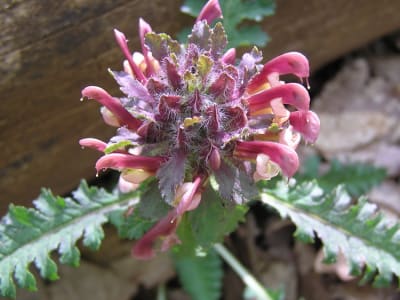
Betonica officinalis, commonly known as Wood Betony, is renowned for its diverse phytochemical profile, including betaine, stachydrine, and various flavonoids. It lies at the intersection of traditional European herbalism, where it has been used for headaches, digestive issues, and as a nervine, and modern phytotherapy, which investigates its neuroprotective and anti-inflammatory properties. Its therapeutic potential is underpinned by its modulation of neurotransmitter systems and anti-inflammatory pathways, with ongoing research into its active compounds.
What it helps with
Headaches & migraines
Stachydrine, an alkaloid found in Wood Betony, may exert its effects by modulating serotonergic pathways, potentially influencing 5-HT receptors. This action could help in the regulation of vascular tone and neurotransmitter balance, traditionally used for headache relief. Evidence is primarily anecdotal and traditional, with limited clinical trials available.
Nervous system support
Wood Betony's flavonoids, such as luteolin, may support the nervous system by inhibiting the breakdown of acetylcholine through acetylcholinesterase inhibition. This mechanism suggests potential benefits in cognitive support and neuroprotection, although human trials are sparse.
Digestive health
Betaine in Wood Betony acts as a methyl donor and may support liver function and bile production, aiding in digestion. This compound is thought to enhance liver detoxification pathways, traditionally used to relieve dyspepsia and bloating. Evidence is largely traditional with some biochemical support.
Anti-inflammatory effects
The anti-inflammatory properties of Wood Betony are attributed to its flavonoids, which may inhibit NF-kB signaling, reducing the expression of pro-inflammatory cytokines such as TNF-a and IL-6. This mechanism is supported by in vitro studies, though human evidence is limited.
Cardiovascular health
Stachydrine may contribute to cardiovascular health by promoting vasodilation through nitric oxide (NO) pathways, potentially lowering blood pressure. This effect is supported by animal studies, aligning with traditional uses for circulatory support.
Anxiety & stress
Wood Betony's potential anxiolytic effects may be linked to its influence on GABAergic systems, possibly enhancing GABA-A receptor activity. This traditional use as a calming agent has limited clinical backing, with most evidence being anecdotal.
Wound healing
Traditionally applied topically, Wood Betony may aid wound healing through its tannins, which possess astringent properties that promote tissue contraction and antimicrobial activity. This use is supported by traditional practices rather than modern clinical evidence.
Key active compounds
Stachydrine
An alkaloid that may influence serotonergic pathways and promote cardiovascular health through nitric oxide-mediated vasodilation. It is a key compound in Wood Betony's traditional uses.
Betaine
Acts as a methyl donor, supporting liver function and bile production, potentially aiding digestion and detoxification pathways.
Luteolin
A flavonoid with potential neuroprotective effects, inhibiting acetylcholinesterase and modulating inflammatory pathways such as NF-kB.
Tannins
Provide astringent properties that may support wound healing and antimicrobial activity when applied topically.
Choline
Supports neurotransmitter synthesis and liver function, potentially enhancing cognitive health and detoxification processes.
Rosmarinic acid
A polyphenol with antioxidant properties, potentially modulating inflammatory pathways and providing neuroprotective benefits.
What the research says
Research on Wood Betony is primarily focused on its traditional uses and phytochemical composition. Stachydrine and betaine are the most studied compounds, with animal and in vitro studies suggesting cardiovascular and digestive benefits. However, human trials are limited, and most evidence remains anecdotal or traditional. The primary limitation in the current research is the lack of robust clinical trials, especially concerning its neuroprotective and anxiolytic potential. Efforts to isolate and study its active compounds in controlled settings could provide more definitive insights into its mechanisms and efficacy.
Typical dosage
For tea or infusion, use 1-2 teaspoons of dried Wood Betony leaves per cup of boiling water, steep for 10-15 minutes, and drink up to three times daily. Tinctures can be taken at a dosage of 1-2 ml, up to three times a day. Capsules typically contain 300-500 mg of dried herb, with a recommended dosage of 1-2 capsules, up to three times daily. Always start with the lower end of the dosage range to assess tolerance.
About Wood Betony
Traditional Use
Preparations & Dosage
Preparations
- Tea / Infusion: Use 1-2 teaspoons of dried Wood Betony leaves per cup of boiling water. Steep for 10-15 minutes, strain, and serve warm. Add honey or lemon for flavor if desired.
- Tincture: Use a dropper to measure 1-2 ml of Wood Betony tincture. Mix with a small amount of water or juice if desired, and consume up to three times daily.
- Capsule: Take 1-2 capsules of Wood Betony, typically containing 300-500 mg of dried herb, up to three times daily with water.
- Poultice: Crush fresh Wood Betony leaves and apply directly to the affected area. Cover with a clean cloth and leave for 15-30 minutes.
Interactions & Warnings
Use with caution
Wood Betony is generally considered safe when used appropriately, but it should be avoided by pregnant or nursing women due to insufficient safety data. Those with pre-existing conditions or on medications affecting the nervous system should consult a healthcare provider before use.
Herb Interactions
Combined sedative effects may lead to excessive drowsiness or sedation.
May enhance the sedative effects and interfere with medications metabolized by the liver.
Community Plants
Real plants of this species grown and shared by the MyFloralVault community.
More in Sleep & Relaxation




Was this helpful?
0 · 0
Care Guide Available
Learn how to grow and care for Wood Betony at home