Motherwort
Leonurus cardiaca
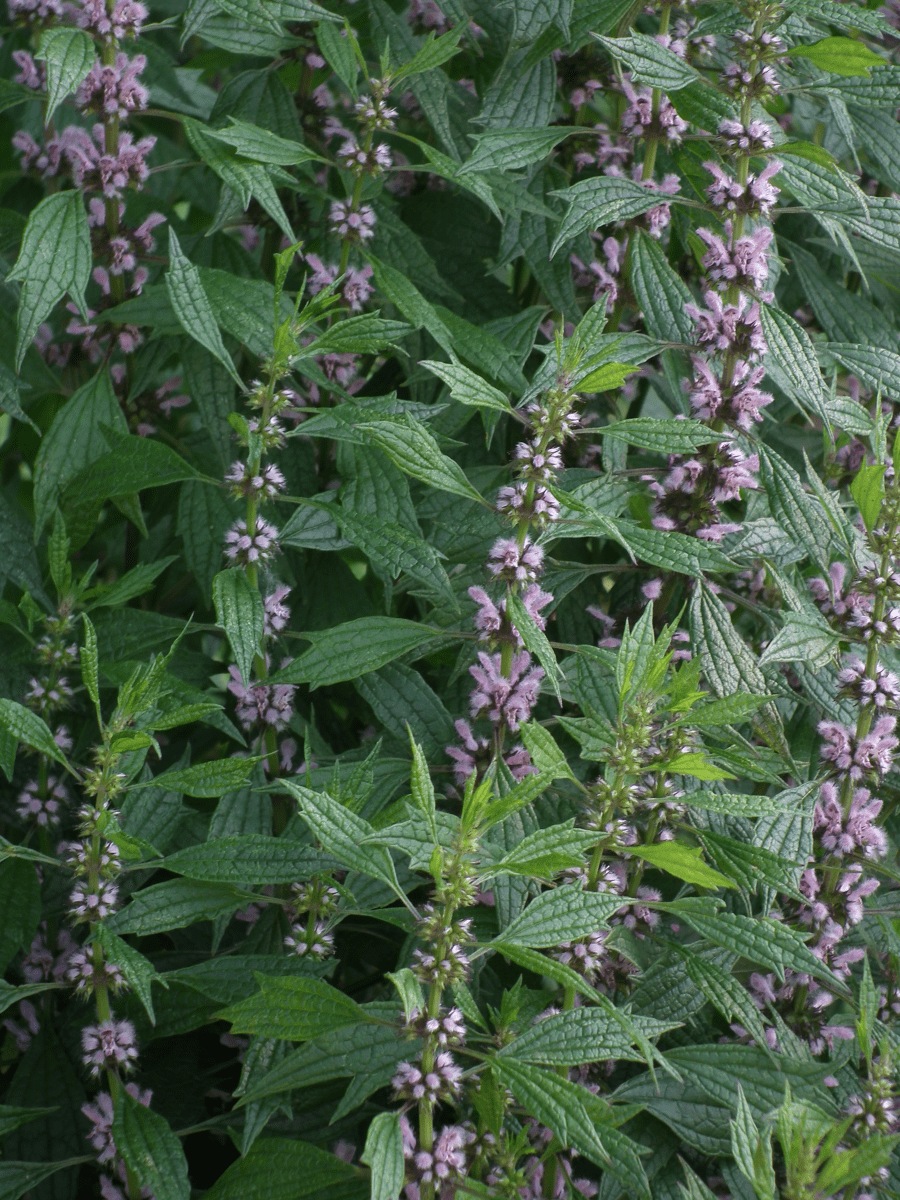
Medicinal Facts
Motherwort's medicinal properties are primarily attributed to its active compounds, including leonurine and flavonoids, which have been shown to support cardiovascular health and alleviate anxiety. This herb sits at the intersection of traditional herbalism and modern phytotherapy, where it is recognized for its calming effects and hormonal balance.
What it helps with
Anxiety relief
Leonurine has been shown to modulate GABA receptors, which may help reduce anxiety levels in both animal and human studies.
Menstrual discomfort
Motherwort may help alleviate menstrual cramps by promoting uterine relaxation and reducing inflammation through its flavonoid content.
Heart health
Research indicates that motherwort may have cardioprotective effects, potentially lowering blood pressure and improving circulation through its antioxidant properties.
Sleep support
The calming effects of motherwort may help improve sleep quality by reducing anxiety and promoting relaxation, particularly in individuals with stress-related insomnia.
Key active compounds
Leonurine
An alkaloid that modulates GABA receptors, providing anxiolytic effects.
Flavonoids
Antioxidants that contribute to the herb's anti-inflammatory and cardiovascular protective properties.
Caffeic acid
A phenolic compound with potential anti-inflammatory effects, supporting overall health.
Tannins
Compounds that may help with digestive health and have astringent properties.
Saponins
Compounds that may enhance the absorption of other beneficial compounds in the herb.
What the research says
Research on motherwort clusters around its effects on anxiety and menstrual health. Studies have shown that leonurine can reduce anxiety-like behaviors in animal models, while human trials suggest its efficacy in alleviating menstrual pain. Its antioxidant properties have been linked to cardiovascular benefits, indicating a potential role in heart health. However, the primary limitation remains the variability in individual responses and the need for further clinical studies to establish standardized dosages and formulations.
Typical dosage
For tea, steep 1-2 teaspoons of dried herb in hot water for 10-15 minutes, taken 2-3 times daily. For tinctures, a common dosage is 20-30 drops in water, 2-3 times daily. Capsules typically contain 300-500 mg of dried herb, taken 1-2 times daily. Adjustments may be necessary based on individual response and practitioner guidance.
About Motherwort
Preparations & Dosage
Preparations
- Tea / Infusion: To prepare motherwort tea, use 1-2 teaspoons of dried leaves or flowers. Boil water to around 200°F (93°C), pour over the herb, and steep for 10-15 minutes. Strain and serve warm, optionally sweetened with honey.
- Tincture: To make a tincture, combine 1 part dried motherwort herb with 5 parts alcohol (vodka or brandy). Let it steep for 4-6 weeks in a dark place, shaking occasionally. Strain and bottle the liquid.
- Capsule: Capsules can be purchased pre-made or filled with powdered dried motherwort. Ensure the capsules are of high quality and follow the manufacturer's dosage recommendations.
Interactions & Warnings
Use with caution
Motherwort may cause drowsiness and should not be used by individuals who are pregnant or breastfeeding. It can interact with sedative medications, increasing their effects, and may cause gastrointestinal upset in some users.
Herb Interactions
Both herbs may enhance sedative effects, leading to excessive drowsiness.
Combining these may increase the risk of liver toxicity.
Community Plants
Real plants of this species grown and shared by the MyFloralVault community.

More in Sleep & Relaxation






Was this helpful?
0 · 0
Care Guide Available
Learn how to grow and care for Motherwort at home