Jujube
Ziziphus Jujuba
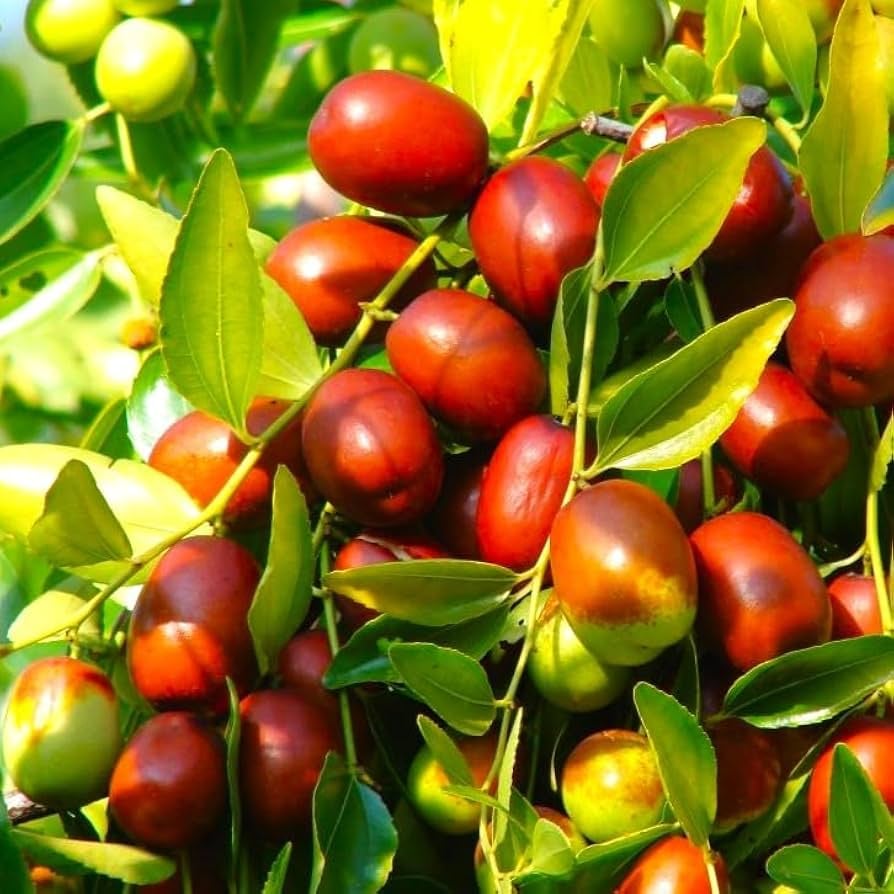
Medicinal Facts
Ziziphus jujuba, commonly known as jujube or Chinese date, is renowned for its rich content of triterpenoids, flavonoids, and polysaccharides. It stands at the intersection of Traditional Chinese Medicine, where it is used for calming the mind and nourishing the blood, and modern pharmacological research that explores its anxiolytic and immunomodulatory properties. The fruit's active compounds are studied for their effects on GABAergic pathways and cytokine modulation, highlighting its potential in stress and immune-related conditions.
What it helps with
Anxiety and stress
Jujube contains jujubosides, saponins that modulate the GABA-A receptor, enhancing inhibitory neurotransmission and promoting relaxation. This mechanism is supported by animal studies that demonstrate reduced anxiety-like behaviors, aligning with its traditional use as a calming agent.
Sleep disorders
Jujubosides and flavonoids in jujube enhance GABAergic transmission and modulate serotonin levels, promoting sedative effects. Animal studies show prolonged sleep duration and improved sleep quality, suggesting its utility in managing insomnia.
Immune modulation
Polysaccharides from jujube stimulate macrophage activity and enhance cytokine production, including IL-2 and TNF-alpha, supporting immune function. This is corroborated by in vitro and animal research, highlighting its potential as an immune booster.
Antioxidant support
The flavonoids, such as quercetin and rutin, in jujube exhibit strong antioxidant activity by scavenging free radicals and upregulating Nrf2 pathways. This action is supported by both in vitro and animal studies, suggesting a protective role against oxidative stress.
Liver protection
Jujube's triterpenoids, including betulinic acid, exert hepatoprotective effects by modulating the Nrf2 pathway and reducing lipid peroxidation. Animal studies indicate reduced liver enzyme levels and histological improvements in liver tissues.
Cardiovascular health
Jujube polysaccharides improve lipid profiles and reduce atherosclerotic plaque formation by modulating cholesterol metabolism and enhancing endothelial function via eNOS activation. Evidence from animal studies supports its potential in cardiovascular protection.
Digestive health
Traditionally used for digestive support, jujube's polysaccharides enhance gut motility and modulate gut microbiota, supported by animal studies showing improved bowel function and microbiome balance.
Cognitive function
Flavonoids in jujube, such as spinosin, may enhance cognitive function by modulating cholinergic pathways and reducing neuroinflammation. Animal models show improved memory and learning, suggesting potential benefits in cognitive disorders.
Key active compounds
Jujubosides
Triterpenoid saponins that modulate GABA-A receptors, contributing to the anxiolytic and sedative effects of jujube. They are central to its traditional calming uses.
Betulinic acid
A triterpenoid with hepatoprotective properties, modulating Nrf2 pathways and reducing oxidative stress in liver tissues.
Quercetin
A flavonoid with potent antioxidant activity, scavenging free radicals and modulating Nrf2 pathways to support cellular protection.
Rutin
A flavonoid that enhances antioxidant defenses and supports vascular health by stabilizing capillary walls and reducing oxidative damage.
Spinosin
A flavonoid that enhances cognitive function by modulating cholinergic pathways and reducing neuroinflammation, with potential benefits in memory enhancement.
Polysaccharides
Complex carbohydrates that modulate immune responses, enhance macrophage activity, and support gut health through prebiotic effects.
Vitamin C
An essential nutrient found in jujube that supports immune function and antioxidant defenses, synergizing with other bioactive compounds.
What the research says
Research on Ziziphus jujuba is robust in traditional uses and emerging pharmacological applications. The strongest evidence for human use is in the area of anxiety and sleep, where jujubosides show potential in modulating GABAergic pathways, supported by animal studies. In immune modulation and liver protection, polysaccharides and triterpenoids like betulinic acid are primarily explored in preclinical models, showing promising results in enhancing immune responses and protecting liver tissues. The main limitation in translating these findings to human use is the variability in compound bioavailability and standardization of extracts, which is being addressed through advanced extraction techniques and formulation strategies to enhance bioactive compound delivery.
Typical dosage
For tea or infusion, steep 1-2 tablespoons of dried jujube fruit in hot water for 10-15 minutes, consuming up to three times daily. For tinctures, take 1-2 ml up to three times daily. Capsules typically contain 500 mg of jujube extract, with a recommended dosage of 1-2 capsules taken twice daily. Powdered jujube can be added to smoothies or food, with a typical dose of 1-2 teaspoons per day. Always consult a healthcare provider for personalized advice.
About Jujube
Traditional Use
Preparations & Dosage
Preparations
- Tea / Infusion: Boil 2 cups of water and add 1-2 tablespoons of dried jujube fruit. Let it simmer for 10-15 minutes. Strain and serve warm. Optionally, add honey or lemon for flavor.
- Tincture: Combine 1 part dried jujube fruit with 5 parts alcohol (such as vodka) in a glass jar. Seal and store in a cool, dark place for 4-6 weeks, shaking occasionally. Strain and store the tincture in a dark glass bottle.
- Capsule: Purchase standardized jujube extract capsules. Follow the manufacturer's dosage instructions, typically 1-2 capsules taken twice daily with meals.
- Powder: Add 1-2 teaspoons of jujube powder to smoothies, yogurt, or oatmeal. Stir well before consuming.
Interactions & Warnings
Use with caution
Jujube is generally safe for most people when consumed in typical dietary amounts. However, individuals with allergies to plants in the Rhamnaceae family should avoid it. Pregnant or breastfeeding women should consult a healthcare provider before use.
Herb Interactions
Combining with valerian may enhance sedative effects, potentially leading to excessive drowsiness.
May alter the metabolism of jujube compounds, affecting their efficacy.
Community Plants
Real plants of this species grown and shared by the MyFloralVault community.
More in Sleep & Relaxation





Was this helpful?
0 · 0
Care Guide Available
Learn how to grow and care for Jujube at home