Ayahuasca Purple
Cannabis Sativa

Medicinal Facts
Cannabis sativa, particularly the Ayahuasca Purple strain, is renowned for its complex phytochemical profile, rich in cannabinoids such as THC (tetrahydrocannabinol) and CBD (cannabidiol), along with a spectrum of terpenes and flavonoids. It sits at the intersection of traditional ethnobotanical use for spiritual and medicinal purposes and cutting-edge research into the endocannabinoid system, which regulates mood, pain, and immune response. This strain is notable for its potential in modulating neurochemical pathways and its psychoactive properties, which are primarily attributed to its THC content.
What it helps with
Pain management
THC binds to CB1 receptors in the central nervous system, modulating pain perception through inhibition of neurotransmitter release and altering pain signaling pathways. Human trials have shown efficacy in chronic pain conditions, including neuropathic and cancer-related pain, although the psychoactive effects can limit its use.
Anxiety & mood disorders
CBD, a non-psychoactive cannabinoid, interacts with 5-HT1A serotonin receptors and modulates GABAergic transmission, which may reduce anxiety and improve mood. Preclinical studies and some human trials suggest anxiolytic effects, though results are mixed and dosage-dependent.
Epilepsy & seizure control
CBD has been shown to reduce seizure frequency by modulating ion channels and enhancing inhibitory neurotransmission. The FDA-approved drug Epidiolex, derived from CBD, is used for treatment-resistant epilepsy, supported by robust clinical trial data.
Neuroprotection & neurodegenerative diseases
Cannabinoids exhibit neuroprotective effects through CB2 receptor activation and antioxidant properties, reducing neuroinflammation and oxidative stress. This is under investigation in conditions like Alzheimer's and Parkinson's, with promising preclinical evidence.
Appetite stimulation & cachexia
THC stimulates appetite by activating CB1 receptors in the hypothalamus, which increases the release of hunger-promoting hormones. It is used in clinical settings for appetite stimulation in patients with AIDS or undergoing chemotherapy.
Sleep disorders
THC has sedative effects through CB1 receptor activation, which may improve sleep latency and reduce REM sleep disturbances. However, high doses can disrupt sleep architecture, and long-term effects are still under study.
Inflammation & autoimmune conditions
Cannabinoids modulate immune response through CB2 receptor activation, reducing pro-inflammatory cytokine production such as TNF-alpha and IL-1beta. This is being explored in autoimmune diseases like multiple sclerosis, with varying levels of evidence.
Key active compounds
Tetrahydrocannabinol (THC)
The primary psychoactive compound, THC binds to CB1 receptors in the brain, altering neurotransmitter release and producing euphoric effects. It is lipophilic, affecting its absorption and distribution.
Cannabidiol (CBD)
A non-psychoactive cannabinoid that modulates various receptors, including 5-HT1A and TRPV1, providing anxiolytic, anti-inflammatory, and neuroprotective effects. It enhances the effects of THC by modulating its psychoactivity.
Cannabigerol (CBG)
A minor cannabinoid that acts as a precursor to THC and CBD. It has shown potential in modulating CB2 receptors and inhibiting the uptake of GABA, contributing to its potential therapeutic effects.
Beta-caryophyllene
A terpene that selectively binds to CB2 receptors, exerting anti-inflammatory and analgesic effects without psychoactivity. It synergizes with cannabinoids to enhance therapeutic outcomes.
Myrcene
A terpene known for its sedative effects, potentially enhancing the permeability of cell membranes to cannabinoids and increasing their efficacy.
Limonene
A terpene with potential anxiolytic and immune-modulating effects, influencing serotonin and dopamine receptor activity. It may enhance mood and reduce stress.
Linalool
A terpene with calming effects, modulating glutamate and GABA neurotransmission, which may contribute to its anxiolytic and sedative properties.
What the research says
Research on Cannabis sativa is extensive, with a strong focus on its cannabinoids, particularly THC and CBD. Human trials have established CBD's efficacy in treating epilepsy, while THC is well-studied for pain and appetite stimulation. Preclinical studies highlight neuroprotective and anti-inflammatory effects through CB1 and CB2 receptor modulation, though human trials are limited by regulatory challenges. The primary limitation remains the psychoactive effects of THC, which can be mitigated by selecting strains with higher CBD content or using isolated CBD products. Bioavailability is another concern, addressed by developing various delivery systems such as oils, vaporizers, and transdermal patches to optimize therapeutic outcomes.
Typical dosage
For smoking or vaporization, start with a small amount (1-2 inhalations) and wait to assess effects. Edibles should be consumed in doses of 5-10 mg of THC, with effects taking up to 2 hours to manifest. Tinctures can be dosed at 1-2 drops under the tongue, held for 30 seconds before swallowing. Topicals are applied directly to the skin as needed for localized pain relief. Always start with the lowest effective dose and increase gradually.
About Ayahuasca Purple
Traditional Use
Preparations & Dosage
Preparations
- Smoking: Grind the cannabis flower and roll it into a joint or pack it into a pipe. Light and inhale gently, holding the smoke in your lungs for a few seconds before exhaling.
- Vaporization: Use a vaporizer to heat the cannabis flower or concentrate to a temperature that releases cannabinoids without combustion. Inhale the vapor slowly.
- Edibles: Infuse cannabis into butter or oil and use in baking or cooking. Start with a small portion and wait 1-2 hours to assess effects before consuming more.
- Tincture: Place 1-2 drops of cannabis tincture under the tongue, hold for 30 seconds, and swallow. Adjust dosage based on effects.
- Topical: Apply cannabis-infused creams or balms directly to the skin over the affected area. Massage gently until absorbed.
Interactions & Warnings
Use with caution
Cannabis sativa, particularly strains like Ayahuasca Purple, can have psychoactive effects due to THC content. It should be used cautiously, especially by individuals with a history of mental health disorders, pregnant or breastfeeding women, and those who need to operate heavy machinery. Legal restrictions vary by region.
Herb Interactions
Combining with valerian may enhance sedative effects, leading to excessive drowsiness.
May alter the metabolism of THC, increasing psychoactive effects and risk of side effects.
Community Plants
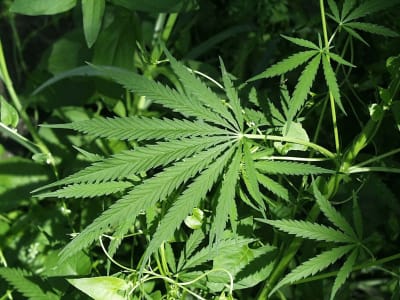
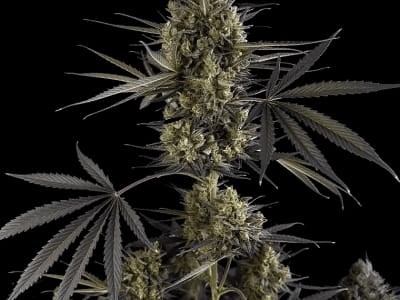
Real plants of this species grown and shared by the MyFloralVault community.

More in Sleep & Relaxation




Was this helpful?
0 · 0
Care Guide Available
Learn how to grow and care for Ayahuasca Purple at home