Spikenard
Nardostachys Jatamansi

Medicinal Facts
Nardostachys jatamansi, commonly known as spikenard, is renowned for its sesquiterpenes, such as jatamansone, and its valepotriates, which are pivotal in its sedative and neuroprotective effects. This plant stands at the intersection of traditional Ayurvedic and Unani medicine, where it is employed for mental health and skin conditions, and contemporary research focusing on its GABAergic and anti-inflammatory properties. Its essential oil is also noted for its potential in aromatherapy, particularly in stress and anxiety management.
What it helps with
Anxiety & stress relief
Jatamansone, a prominent sesquiterpene in spikenard, enhances GABA-A receptor activity, which may lead to increased inhibitory neurotransmission and a calming effect on the central nervous system. Animal studies support its anxiolytic properties, although human trials are still limited.
Neuroprotection
Spikenard's valepotriates and sesquiterpenes modulate oxidative stress pathways by activating Nrf2 and inhibiting NF-kB, which reduces neuroinflammation and may protect against neurodegenerative diseases. Preclinical studies suggest potential benefits in models of Alzheimer's and Parkinson's diseases.
Insomnia & sleep disorders
The plant's sedative effects are primarily attributed to its ability to enhance GABAergic transmission, potentially through the modulation of GABA-A receptors. Traditional uses are supported by animal studies showing prolonged sleep duration, but robust human data are lacking.
Skin health & wound healing
Spikenard oil exhibits antimicrobial activity, particularly against Staphylococcus aureus, and promotes wound healing through enhanced collagen synthesis and TGF-beta signaling. Its traditional use in skin conditions is supported by in vitro studies.
Anti-inflammatory effects
Jatamansone and other compounds inhibit pro-inflammatory cytokines like TNF-a and IL-6 by modulating the NF-kB pathway. This action is supported by animal models of inflammation and suggests potential in managing inflammatory conditions.
Cardiovascular health
Spikenard may support cardiovascular health by modulating endothelial nitric oxide synthase (eNOS), which enhances vasodilation and improves blood flow. Animal studies indicate potential benefits in hypertension, though clinical trials are needed.
Cognitive enhancement
Compounds in spikenard, such as jatamansone, may enhance cognitive function by reducing oxidative stress and neuroinflammation. This is partly mediated through Nrf2 activation, with preclinical studies showing improved memory and learning in animal models.
Digestive support
Traditionally, spikenard is used to alleviate digestive issues, possibly through its antispasmodic effects mediated by smooth muscle relaxation. This use is primarily supported by traditional knowledge and limited preclinical data.
Key active compounds
Jatamansone
A sesquiterpene that enhances GABA-A receptor activity, contributing to its sedative and anxiolytic effects. It also exhibits anti-inflammatory properties by inhibiting NF-kB.
Valepotriates
These compounds have sedative properties and may contribute to neuroprotection by modulating oxidative stress pathways, including Nrf2 activation.
Nardostachysin
A lesser-known compound with potential antimicrobial and anti-inflammatory effects, though its specific mechanisms are less well-characterized.
Nardosinone
A sesquiterpene lactone that may contribute to the plant's sedative effects and has shown promise in neuroprotective studies.
Essential oils (borneol, valeranone)
These volatile compounds are responsible for the plant's aromatic properties and have been shown to have mild sedative and antimicrobial effects.
Dihydroazulenes
Compounds that contribute to the plant's anti-inflammatory and antimicrobial profile, though specific receptor interactions are not well-defined.
Lignans
These compounds may contribute to the antioxidant and anti-inflammatory effects of spikenard, enhancing its overall therapeutic profile.
What the research says
Research on Nardostachys jatamansi is primarily preclinical, with a focus on its neuroprotective and anxiolytic properties. Jatamansone and valepotriates are the most studied compounds, showing promise in animal models for anxiety, neuroprotection, and inflammation. Human trials are sparse, with most evidence derived from traditional uses and animal studies. The main limitation is the lack of robust clinical data, particularly regarding bioavailability and standardized dosing, which is being addressed by ongoing research into optimized extraction methods and formulations.
Typical dosage
For essential oil, use 2-3 drops in a diffuser or diluted in a carrier oil for topical application. For tinctures, take 1-2 ml up to three times daily. As a powder or capsule, 500 mg to 1 g can be taken twice daily. For tea, steep 1-2 grams of dried root in hot water for 10 minutes, consumed up to twice daily. Always start with lower doses to assess tolerance.
About Spikenard
Traditional Use
Preparations & Dosage
Preparations
- Tea / Infusion: Boil water and pour over 1-2 grams of dried spikenard root. Cover and let steep for 10 minutes. Strain and drink warm. Add honey or lemon for taste if desired.
- Essential Oil: Add 2-3 drops of spikenard essential oil to a diffuser filled with water. Alternatively, dilute with a carrier oil for topical application to the temples or wrists.
- Tincture: Take 1-2 ml of spikenard tincture under the tongue or diluted in water, up to three times daily.
- Powder: Mix 500 mg to 1 g of spikenard powder in water or juice. Consume twice daily.
Interactions & Warnings
Use with caution
Nardostachys jatamansi should be used with caution, especially in individuals with allergies to plants in the Caprifoliaceae family. Pregnant or breastfeeding women should avoid its use due to insufficient safety data. It may interact with sedatives and other CNS depressants.
Herb Interactions
Combined sedative effects may enhance drowsiness and CNS depression.
May increase sedative effects, leading to excessive drowsiness.
Community Plants
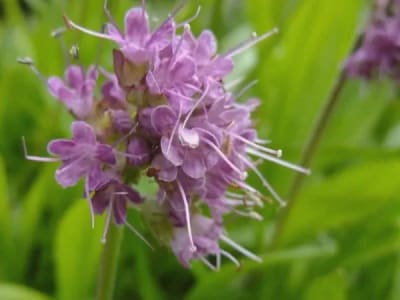
Real plants of this species grown and shared by the MyFloralVault community.
More in Sleep & Relaxation




Was this helpful?
0 · 0