Viḍaṅga
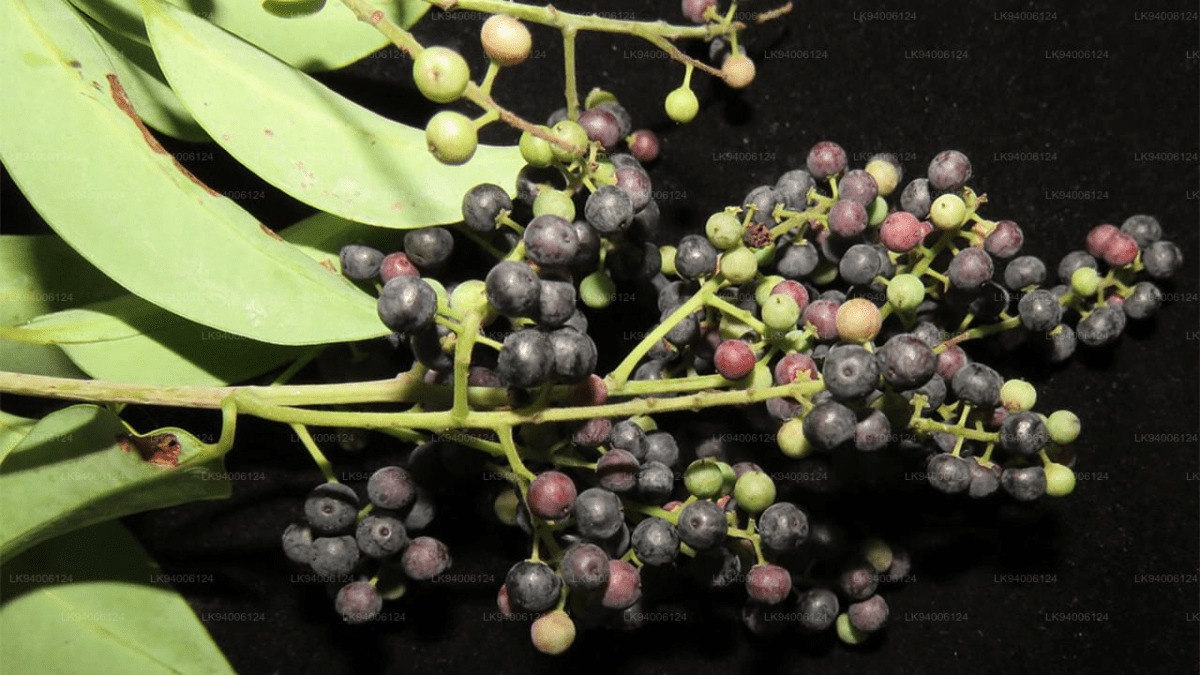
Embelia Ribes
Medicinal Facts
Embelia ribes, known as Viḍaṅga, is primarily valued for its embelin content, a benzoquinone derivative with significant anthelmintic and antimicrobial properties. This plant sits at the intersection of traditional Ayurvedic medicine, where it is used for parasitic infections and digestive issues, and modern pharmacological research focused on its potential as an antimicrobial and antioxidant agent. Its traditional use is extensively documented in Ayurvedic texts, while contemporary studies explore its molecular mechanisms, including enzyme inhibition and free radical scavenging.
What it helps with
Parasitic infections
Embelin disrupts the energy metabolism of parasites by inhibiting mitochondrial electron transport chain enzymes, particularly succinate dehydrogenase. This leads to energy depletion and eventual death of the parasites. Traditional Ayurvedic practices have long used Viḍaṅga for helminthic infections, and modern in vitro studies support its efficacy against a range of intestinal worms.
Antimicrobial activity
Embelin and other compounds in Embelia ribes exhibit antimicrobial effects by disrupting bacterial cell walls and inhibiting critical enzymes like DNA gyrase. This action is supported by in vitro studies showing effectiveness against both gram-positive and gram-negative bacteria, though clinical trials are limited.
Digestive health
Traditionally used to alleviate digestive issues, embelin modulates gastrointestinal motility and exhibits mild laxative effects. It may enhance digestive enzyme activity, improving nutrient absorption and reducing symptoms of dyspepsia. Evidence is primarily from traditional use and animal studies.
Antioxidant support
Embelin acts as a potent scavenger of free radicals, protecting cells from oxidative stress by upregulating antioxidant enzymes such as superoxide dismutase (SOD) and catalase. This mechanism is primarily supported by in vitro studies, with limited human data.
Anti-inflammatory effects
Embelin inhibits the NF-kB signaling pathway, reducing the production of pro-inflammatory cytokines like TNF-a and IL-6. This action has been observed in animal models, suggesting potential benefits for inflammatory conditions, though human trials are needed.
Cancer research
In preclinical models, embelin induces apoptosis in cancer cells by modulating the Bcl-2 family of proteins and inhibiting the PI3K/Akt pathway. Its role in cancer research is exploratory, with evidence largely from in vitro and animal studies.
Metabolic syndrome
Embelin may influence metabolic pathways by modulating the AMPK pathway, which plays a role in lipid metabolism and insulin sensitivity. Animal studies suggest potential benefits for managing aspects of metabolic syndrome, though human evidence is lacking.
Key active compounds
Embelin
A benzoquinone derivative that acts as the primary active compound. It inhibits mitochondrial electron transport in parasites and modulates several signaling pathways, including NF-kB and PI3K/Akt, contributing to its antimicrobial and anticancer properties.
Vilangin
A secondary compound with potential antimicrobial properties. It may enhance the overall efficacy of embelin by working synergistically to disrupt microbial cell walls.
Christembine
An alkaloid that contributes to the plant's anthelmintic activity. It may work in concert with embelin to inhibit parasite energy metabolism.
Flavonoids
These compounds contribute to the antioxidant activity of Embelia ribes by scavenging free radicals and upregulating endogenous antioxidant enzymes.
Tannins
Polyphenolic compounds that may enhance antimicrobial effects by precipitating proteins and disrupting microbial cell membranes.
Saponins
These compounds may support the plant's traditional use in digestive health by modulating gastrointestinal motility and enzyme activity.
What the research says
Research on Embelia ribes is primarily preclinical, with a focus on its anthelmintic and antimicrobial properties. Embelin stands out as the most studied compound, showing efficacy in disrupting parasite metabolism and bacterial cell walls in vitro. Animal studies support its potential for digestive health and metabolic modulation, though human trials are scarce. The main limitation is the lack of clinical data, particularly regarding bioavailability and safety in humans, which remains a barrier to broader therapeutic use. Future research should focus on these gaps, with an emphasis on developing bioavailability-enhanced formulations.
Typical dosage
For powder form, a typical dosage is 1-3 grams per day, divided into two or three doses. When using a decoction, boil 1-2 teaspoons of the dried fruit in water for 15-20 minutes and consume up to twice daily. Tinctures can be taken in doses of 1-2 ml, two to three times a day. Capsules typically contain 250-500 mg of the powdered fruit, with a recommended dose of 1-2 capsules twice daily. Topical applications should be used as directed by a healthcare provider.
About Viḍaṅga
Traditional Use
Preparations & Dosage
Preparations
- Powder: Grind dried Embelia ribes fruits into a fine powder. Store in an airtight container. Take 1-3 grams daily, mixed with water or honey.
- Decoction: Boil 1-2 teaspoons of dried Embelia ribes fruits in 2 cups of water for 15-20 minutes. Strain and drink warm.
- Tincture: Soak dried fruits in alcohol (vodka or brandy) at a ratio of 1:5 for 4-6 weeks. Shake daily, then strain and store in a dark bottle.
- Capsule: Fill empty capsules with Embelia ribes powder using a capsule machine. Store in a cool, dry place.
- Topical application: Mix Embelia ribes powder with a carrier oil (such as coconut oil) to form a paste. Apply to affected skin areas.
Interactions & Warnings
Use with caution
Embelia ribes should be used with caution, especially in pregnant or breastfeeding women, as its safety in these populations is not well established. High doses may cause gastrointestinal discomfort or irritation. It is advisable to consult a healthcare provider before use, particularly for individuals with pre-existing health conditions or those taking other medications.
Herb Interactions
Both have antimicrobial properties, and their combined use may enhance these effects, potentially leading to gastrointestinal upset.
May enhance digestive benefits but could also increase the risk of gastrointestinal irritation.
Community Plants
Real plants of this species grown and shared by the MyFloralVault community.
More in Digestive Health


Was this helpful?
0 · 0
Care guides for related plants
Care Guide Available
Learn how to grow and care for Viḍaṅga at home