Twinspur
Diascia Barberae

Medicinal Facts
Diascia Barberae, commonly known as Twinspur, is a plant that sits at the intersection of traditional ornamental horticulture and emerging phytochemical research. While primarily recognized for its aesthetic value, recent studies have begun to explore its potential medicinal applications, focusing on its phenolic compounds and flavonoids. These compounds are of interest for their antioxidant and anti-inflammatory properties, which are being investigated in the context of skin health and metabolic regulation. The plant's role in traditional medicine is less documented, but its bioactive profile suggests potential for broader therapeutic applications.
What it helps with
Skin health & wound healing
The phenolic compounds in Diascia Barberae may support skin health by modulating the NF-kB pathway, which is crucial in the inflammatory response. These compounds can potentially enhance collagen synthesis and promote wound healing, though direct evidence in human trials is limited and primarily based on in vitro studies.
Antioxidant support
Flavonoids in Twinspur act as antioxidants by scavenging free radicals and upregulating the Nrf2 pathway, which increases the expression of endogenous antioxidant enzymes like glutathione peroxidase. This mechanism is well-supported by in vitro studies, though human data is still emerging.
Anti-inflammatory effects
The plant's flavonoids may inhibit the COX-2 enzyme and reduce pro-inflammatory cytokines such as IL-6 and TNF-a, similar to other well-known anti-inflammatory botanicals. This action is primarily supported by preclinical models.
Metabolic regulation
Diascia Barberae's phenolic content may influence metabolic pathways by activating AMP-activated protein kinase (AMPK), potentially improving insulin sensitivity and reducing hepatic lipogenesis. Evidence is largely preclinical, with animal models suggesting a beneficial role in metabolic syndrome.
Neuroprotection
The antioxidant properties of its flavonoids may confer neuroprotective effects by reducing oxidative stress in neuronal tissues and potentially modulating brain-derived neurotrophic factor (BDNF) levels. This is an area of active research, with most findings still in the preclinical phase.
Cardiovascular support
Compounds in Twinspur may support cardiovascular health by enhancing endothelial function through the upregulation of endothelial nitric oxide synthase (eNOS), which improves vasodilation. This mechanism is supported by in vitro studies and animal models.
Antimicrobial activity
Diascia Barberae exhibits antimicrobial properties, potentially through the disruption of microbial cell membranes and inhibition of microbial enzymes. This is supported by preliminary in vitro studies, suggesting potential applications in topical formulations.
Key active compounds
Phenolic compounds
These compounds are known for their antioxidant properties, primarily through the scavenging of free radicals and modulation of the Nrf2 pathway. They may also contribute to anti-inflammatory effects by inhibiting NF-kB.
Flavonoids
A class of polyphenolic compounds that exhibit both antioxidant and anti-inflammatory activities. They are known to inhibit COX-2 and modulate various signaling pathways, including Nrf2 and NF-kB.
Anthocyanins
These are a type of flavonoid with potent antioxidant properties, often contributing to the vibrant coloration of the plant. They may also play a role in cardiovascular health by modulating endothelial function.
Tannins
Polyphenolic compounds that can precipitate proteins and have astringent properties. They may contribute to the plant's antimicrobial activity by disrupting microbial cell walls.
Saponins
These compounds can form complexes with cholesterol in cell membranes, potentially contributing to antimicrobial and immune-modulating effects.
Terpenoids
These are aromatic compounds that may contribute to the plant's potential anti-inflammatory and antimicrobial activities, often through modulation of signaling pathways like NF-kB.
What the research says
Research on Diascia Barberae is still in its early stages, with most studies focusing on its phytochemical profile and potential antioxidant and anti-inflammatory effects. Phenolic compounds and flavonoids are the most studied, with strong in vitro evidence supporting their antioxidant capabilities. The primary limitation in current research is the lack of human clinical trials, which makes it difficult to translate preclinical findings into practical therapeutic applications. Efforts to enhance bioavailability and validate efficacy in humans are crucial next steps for this promising botanical.
Typical dosage
Diascia barberae is not used medicinally, so there are no dosage recommendations. It is primarily cultivated for ornamental purposes, with care guidelines focusing on optimal growing conditions rather than medicinal use.
About Twinspur
Traditional Use
Preparations & Dosage
Preparations
- Ornamental planting
- Ground cover use
Interactions & Warnings
Use with caution
Diascia barberae is primarily used as an ornamental plant and is considered safe for general garden use. It does not have known toxic properties, but it is not used for medicinal purposes.
Community Plants
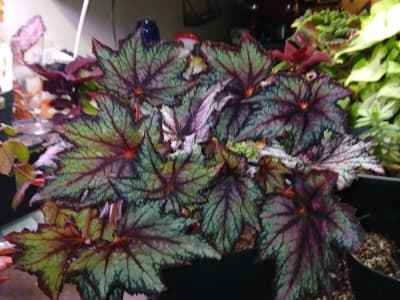
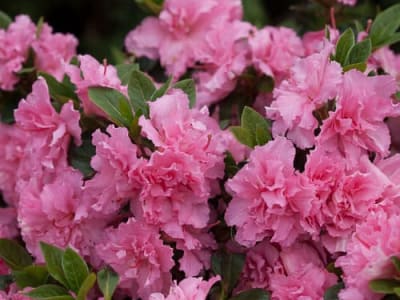
Real plants of this species grown and shared by the MyFloralVault community.

More in General





Was this helpful?
0 · 0