Shankhpushpi
Convolvulus Pluricaulis
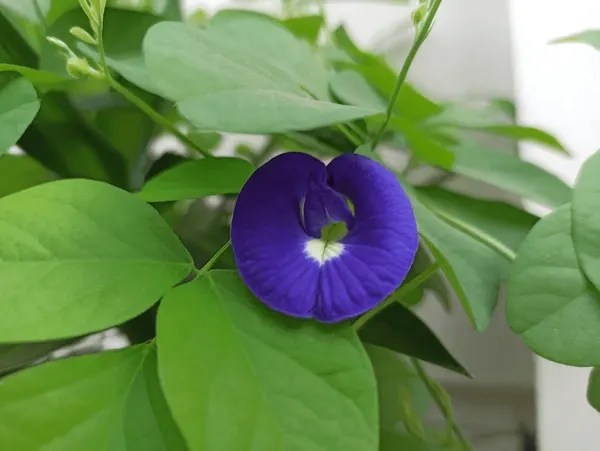
Medicinal Facts
Convolvulus pluricaulis, commonly known as Shankhpushpi, is renowned for its nootropic and adaptogenic properties, primarily attributed to its alkaloids, flavonoids, and coumarins. It sits at the intersection of traditional Ayurvedic medicine, where it is used to enhance cognitive function and alleviate stress, and modern neuropharmacology, which explores its potential in modulating neurotransmitter systems. Its ability to influence the cholinergic system and oxidative stress pathways is central to its therapeutic profile.
What it helps with
Cognitive enhancement
Shankhpushpi contains scopoletin and convolamine, which modulate acetylcholine levels by inhibiting acetylcholinesterase, thereby enhancing cholinergic transmission. This mechanism supports its traditional use in improving memory and learning, with evidence primarily from animal studies.
Anxiety & stress
The herb's anxiolytic effects are linked to its modulation of the GABAergic system, where compounds like kaempferol enhance GABA-A receptor activity. This action is complemented by its adaptogenic properties, which are supported by animal model research.
Neuroprotection
Flavonoids in Shankhpushpi, such as quercetin, exhibit antioxidant activity by upregulating Nrf2 pathways and reducing oxidative stress, which protects neuronal integrity. This is primarily supported by in vitro and animal studies.
Depression
Shankhpushpi's potential antidepressant effects may be due to its influence on serotonergic pathways, where it increases serotonin levels in the brain. Animal studies suggest this mechanism, but human evidence is limited.
Epilepsy
Traditionally used for epilepsy, Shankhpushpi's anticonvulsant properties are thought to arise from its modulation of voltage-gated sodium channels, as demonstrated in animal models.
Sleep disorders
Compounds such as scopoletin may enhance sleep quality by modulating melatonin receptors and the GABAergic system, though evidence is largely preclinical.
Longevity & cellular aging
Shankhpushpi may support longevity through sirtuin activation, particularly SIRT1, and by enhancing mitochondrial biogenesis via PGC-1a. This is a speculative area with emerging preclinical interest.
Key active compounds
Scopoletin
A coumarin that modulates acetylcholine and melatonin receptors, contributing to cognitive and sleep-enhancing effects. It shows moderate bioavailability and is often a focus in neuropharmacological studies.
Convolamine
An alkaloid that inhibits acetylcholinesterase, enhancing cholinergic transmission. It is critical in the plant's nootropic effects.
Kaempferol
A flavonoid that enhances GABA-A receptor activity, contributing to its anxiolytic profile. It also exhibits antioxidant properties.
Quercetin
A flavonoid that upregulates Nrf2, providing neuroprotective effects through its antioxidant action. It is well-studied for its role in reducing oxidative stress.
Beta-sitosterol
A phytosterol that may contribute to anti-inflammatory effects by modulating NF-kB pathways. It is also noted for its role in supporting cardiovascular health.
Caffeic acid
An antioxidant that contributes to the plant's overall neuroprotective and anti-inflammatory effects by inhibiting lipid peroxidation.
What the research says
Research on Shankhpushpi is primarily preclinical, with a strong focus on its cognitive and neuroprotective effects. Compounds like scopoletin and convolamine show promise in animal models for enhancing memory and reducing anxiety. Human trials are limited, with most evidence coming from traditional use and small-scale observational studies. The main limitation in translating these findings to clinical practice is the variability in compound concentration and bioavailability, which is being addressed through standardized extracts and advanced formulation techniques.
Typical dosage
For tea or infusion, use 1-2 teaspoons of dried Shankhpushpi in a cup of hot water, steep for 5-10 minutes, and consume 1-2 times daily. As a powder, take 1-3 grams mixed with water or milk, once or twice daily. Tinctures can be taken at a dosage of 2-4 ml, 2-3 times per day. Capsules typically contain 250-500 mg, with a recommended dose of 1-2 capsules, twice daily. Always consult a healthcare provider for personalized advice.
About Shankhpushpi
Traditional Use
Preparations & Dosage
Preparations
- Tea / Infusion: Boil water and pour over 1-2 teaspoons of dried Shankhpushpi. Cover and steep for 5-10 minutes. Strain and drink warm. Add honey or lemon for taste if desired.
- Powder: Mix 1-3 grams of Shankhpushpi powder with warm water or milk. Stir well and consume immediately. Can be taken once or twice daily.
- Tincture: Use a dropper to measure 2-4 ml of Shankhpushpi tincture. Add to a small amount of water or juice and drink. Repeat 2-3 times per day as needed.
Interactions & Warnings
Use with caution
Convolvulus pluricaulis is generally considered safe for most people when used in recommended amounts. However, pregnant or breastfeeding women should consult a healthcare provider before use. Those with specific health conditions or on medication should also seek medical advice to avoid potential interactions.
Herb Interactions
Combined sedative effects may enhance drowsiness or sedation.
Both herbs may synergistically enhance stress reduction and cognitive benefits.
Community Plants
Real plants of this species grown and shared by the MyFloralVault community.

More in Cognitive Function


Was this helpful?
0 · 0
Care Guide Available
Learn how to grow and care for Shankhpushpi at home