Lion's Mane
Hericium Erinaceus
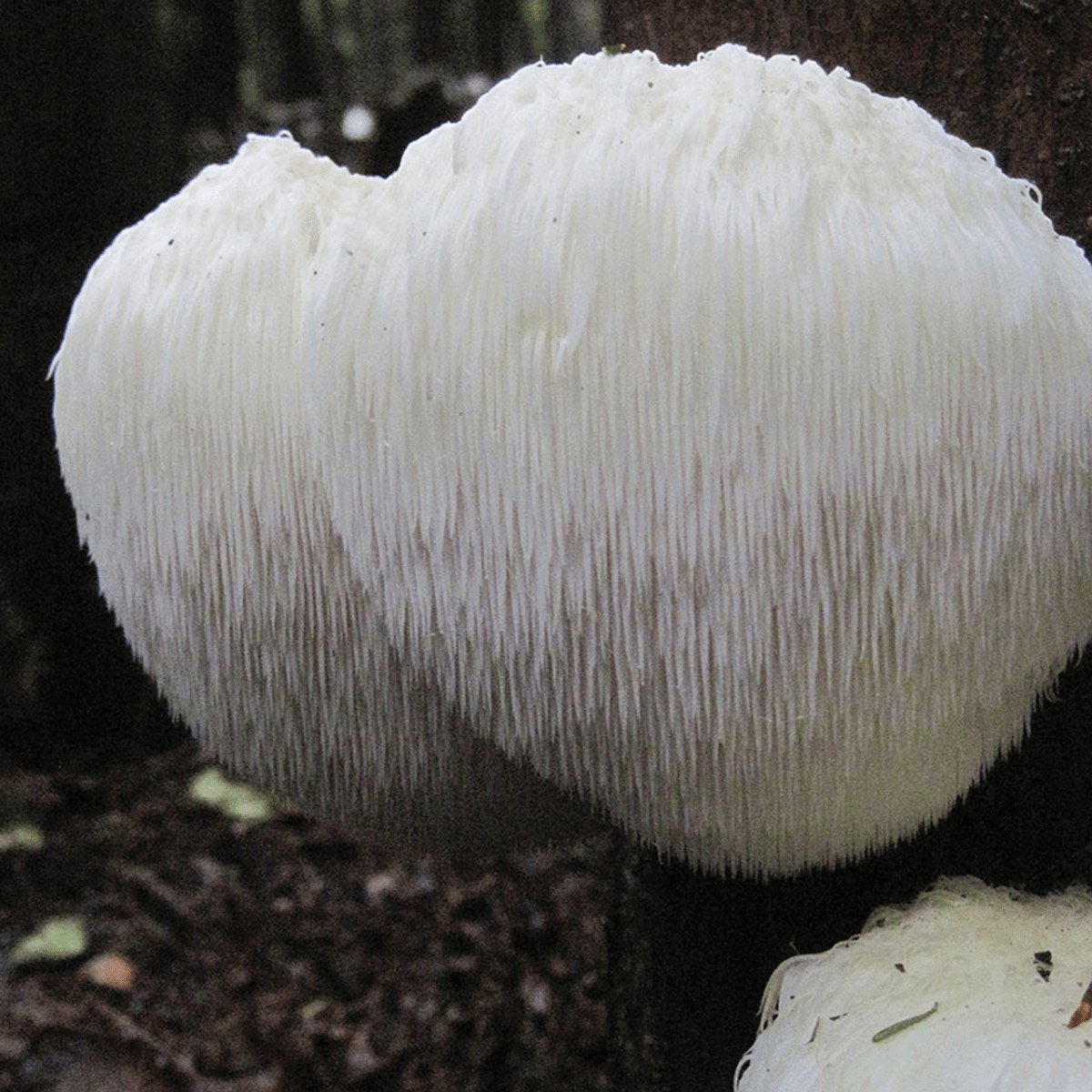
Medicinal Facts
Lion's Mane (Hericium erinaceus) is renowned for its neurotrophic and neuroprotective properties, primarily due to its unique compounds: hericenones and erinacines. It sits at the intersection of traditional Chinese medicine, where it has been used for centuries to support cognitive health and digestion, and modern neuroscience research, which investigates its potential to stimulate nerve growth factor (NGF) synthesis and promote neurogenesis. The mushroom is also gaining attention for its anti-inflammatory and immunomodulatory effects, making it a multifaceted therapeutic agent.
What it helps with
Cognitive function & neuroprotection
Hericenones and erinacines have been shown to stimulate the synthesis of nerve growth factor (NGF), which is crucial for the survival and maintenance of neurons. This action may support cognitive function and protect against neurodegenerative diseases. Animal studies and preliminary human trials suggest potential benefits in memory enhancement and mild cognitive impairment.
Anxiety & depression
Lion's Mane may modulate the serotonergic system by increasing levels of serotonin and dopamine in the hippocampus, as observed in animal models. This effect is thought to be mediated through the upregulation of neurotrophic factors like BDNF, which support mood regulation. Small human studies have reported reductions in anxiety and depressive symptoms.
Nerve regeneration & repair
Erinacines, particularly erinacine A, have been shown to promote myelination and nerve regeneration by enhancing NGF expression. This mechanism is supported by in vitro and animal studies, suggesting potential applications in peripheral nerve injury and neuropathy.
Gastrointestinal health
Traditionally used to support digestion, Lion's Mane may protect the gastric mucosa and reduce inflammation through the modulation of NF-kB and COX-2 pathways. Animal studies indicate potential benefits in managing gastritis and ulcerative conditions.
Immune modulation
Polysaccharides from Lion's Mane have been shown to enhance macrophage activity and stimulate cytokine production, thereby modulating immune responses. These effects are primarily observed in preclinical studies, suggesting potential applications in immune support.
Chronic inflammation
The anti-inflammatory effects of Lion's Mane are attributed to its ability to inhibit the NF-kB pathway and reduce pro-inflammatory cytokines such as TNF-a and IL-6. This action has been demonstrated in animal models, with implications for conditions like inflammatory bowel disease and arthritis.
Cancer-adjunct research
Erinacines and polysaccharides from Lion's Mane have shown potential in modulating apoptosis and inhibiting cancer cell proliferation in vitro. These findings are preliminary, and human clinical evidence is limited, but they suggest a supportive role in cancer therapy.
Key active compounds
Hericenones
A group of aromatic compounds found in the fruiting body of Lion's Mane, known to stimulate NGF synthesis and support cognitive health. They are less potent than erinacines but contribute to the mushroom's neurotrophic effects.
Erinacines
Diterpenoid compounds primarily found in the mycelium, with erinacine A being the most studied for its potent NGF-inducing activity. They cross the blood-brain barrier and are key to the mushroom's neuroregenerative potential.
Polysaccharides
Complex carbohydrates with immunomodulatory and antioxidant properties. They enhance macrophage activity and cytokine production, supporting immune health.
Beta-glucans
A type of polysaccharide known for its immune-enhancing effects, stimulating the activity of immune cells such as macrophages and natural killer cells.
Ergosterol
A sterol compound that can be converted to vitamin D2 upon exposure to UV light, contributing to the nutritional value of Lion's Mane.
Hericystin
A bioactive compound with potential anti-inflammatory effects, though less studied than hericenones and erinacines.
What the research says
Research on Lion's Mane clusters around its neuroprotective and neurotrophic effects. Erinacines, particularly in animal studies, show strong potential for enhancing NGF synthesis and promoting neurogenesis, with some early human trials supporting cognitive benefits. Hericenones are also studied for their role in cognitive health, though primarily in preclinical settings. The main limitation is the variability in compound concentrations between the fruiting body and mycelium, impacting the consistency of effects. Efforts to standardize extracts and identify optimal dosages are ongoing, aiming to enhance bioavailability and therapeutic outcomes.
Typical dosage
For cognitive enhancement, a common dosage is 500 mg to 1,000 mg of Lion's Mane extract taken 1-3 times daily. For powdered forms, 1-3 grams per day is typical. When using a tincture, 1-2 ml can be taken up to three times daily. Always start with a lower dose to assess tolerance and consult with a healthcare provider for personalized advice.
About Lion's Mane
Traditional Use
Preparations & Dosage
Preparations
- Tea / Infusion: Boil water and pour over 1-2 teaspoons of dried Lion's Mane mushroom. Steep for 10-15 minutes, strain, and enjoy. Add honey or lemon for taste if desired.
- Capsule: Take 1-2 capsules (500 mg each) with water, preferably with meals. Follow the dosage instructions on the product label.
- Powder: Mix 1-3 grams of Lion's Mane powder into smoothies, soups, or beverages. Stir well and consume immediately.
- Tincture: Use a dropper to take 1-2 ml of Lion's Mane tincture under the tongue or in a small amount of water, up to three times daily.
Interactions & Warnings
Use with caution
Lion's Mane is generally considered safe for most people, but those with mushroom allergies should avoid it. Pregnant or breastfeeding women should consult a healthcare provider before use. Always start with a lower dose to assess individual tolerance.
Herb Interactions
Combined use may enhance cognitive effects, but could also increase the risk of bleeding due to potential blood-thinning properties.
Community Plants
Real plants of this species grown and shared by the MyFloralVault community.

More in Cognitive Function


Was this helpful?
0 · 0
Care Guide Available
Learn how to grow and care for Lion's Mane at home