Lion's Mane
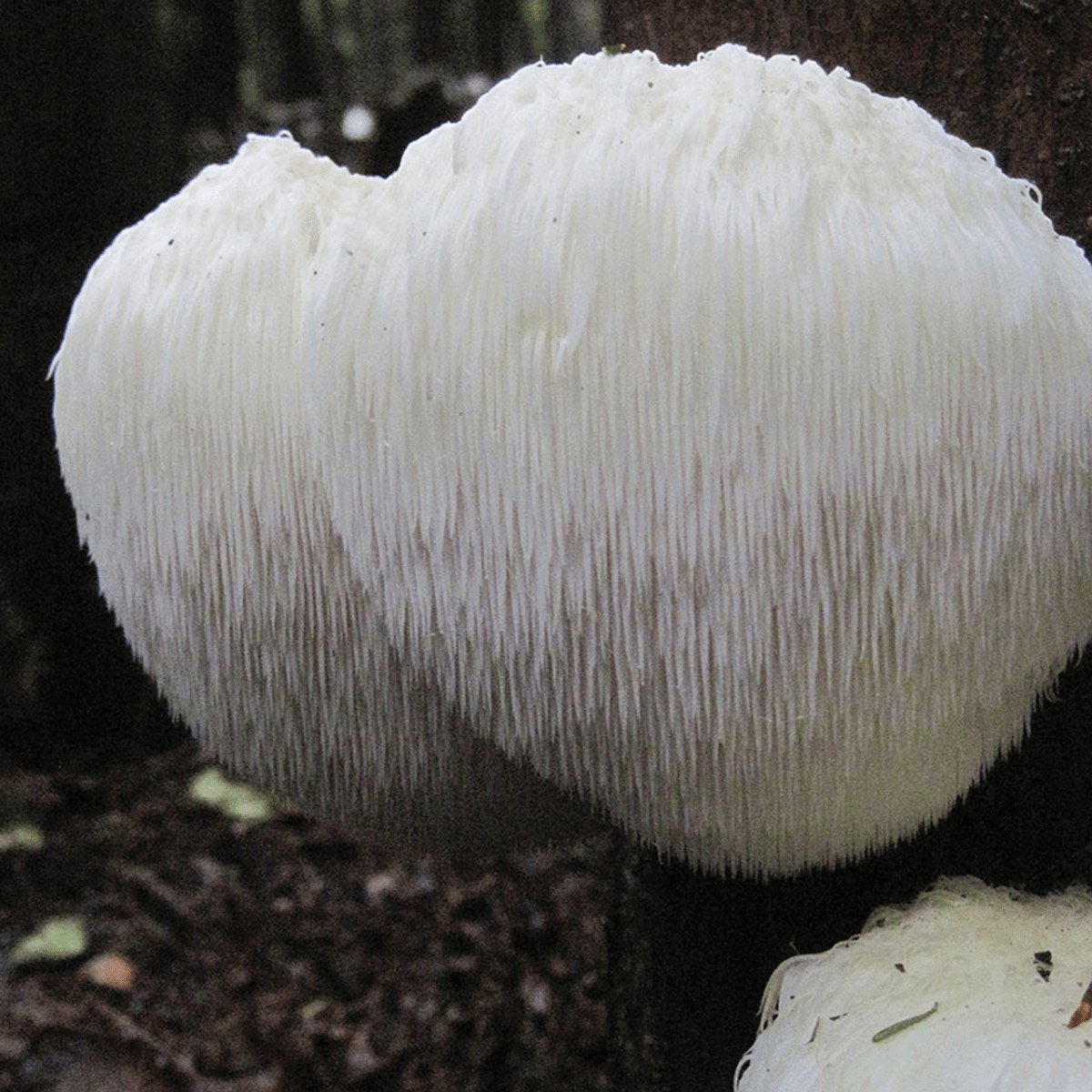
Description by @jominime
grows on dead or dying hardwood, particularly oak, beech, walnut, and maple.
said to taste like crab or lobster meat.
lion's mane produces compounds that directly increase nerve growth factor (NGF) and brain-derived neurotrophic factor (BDNF) in the brain, the two proteins responsible for neuron survival and the ability to form new memories.
erinacine A crosses the blood-brain barrier and is the most potent of these compounds, only found in the mycelium (not the fruiting body).
most supplements on the market use fruiting body powder that has minimal erinacine content. mycelium extract standardized to erinacine A is the pharmacologically superior form.
erinacines have been found to prevent neuronal death, promote neurite outgrowth, and support the maintenance of neuronal functions.
NGF is the protein that promotes growth, maintenance, and survival of neurons. it is dramatically reduced in Alzheimer's disease brains. BDNF is the primary driver of synaptic plasticity, the ability of the brain to form new connections that underlies learning and memory.
most pharmaceutical drugs cannot meaningfully raise NGF or BDNF in the brain. erinacine A from lion's mane mycelium crosses the blood-brain barrier and does this.
Lion's Mane mycelium and its small bioactive compounds promote oligodendrocyte maturation with an increase in myelin basic protein.
oligodendrocytes produce and maintain myelin, the insulating layer around nerve fibers that enables fast neural signal transmission.
myelin loss is the defining pathology of multiple sclerosis.
hericenone B from lion's mane fruiting bodies directly inhibits the platelet sticking process that forms dangerous blood clots in arteries (the type that cause heart attacks and strokes).
lion's mane extract improves cognitive function and mood in healthy 18–35 year olds within 90 minutes.
improves depression and anxiety-related mood disorders and nocturnal rest via modulation of BDNF and its precursor pro-BDNF in serum, reducing chronic stress, anxiety, and depression.
lion's mane polysaccharides act as a prebiotic (feeding beneficial gut bacteria) while the other extract fractions directly kill harmful bacteria and modulate intestinal immune function. shown to reduce IBD symptoms and restore gut microbiome balance.
lion's mane β-glucans activate immune cells that hunt and kill cancer cells.
erinacine A induces cancer cell death in gastric cancer lines. and the mushroom's proteins enhance the effectiveness of the standard chemotherapy drug 5-fluorouracil by improving gut microbiome health that chemotherapy damages.
lion's mane reduces brain cellular senescence.
helps grow and repair nerve cells after a traumatic brain injury, like strokes.
prevents the growth of the bacteria H.pylori, which causes stomach ulcers.
reduces cholesterol and high blood pressure. slows aging, protects kidney and liver health. prevents excess blood lipid accumulation.
caution;
Lion's mane mushroom might cause the immune system to become more active, and this could increase the symptoms of auto-immune diseases. so don’t eat if you have auto-immune issues.
people taking warfarin, aspirin, clopidogrel, rivaroxaban, or other anticoagulants/antiplatelet drugs should use caution combining with lion's mane due to additive blood-thinning effects. discontinue at least two weeks before surgery.
Found in Apothecary
Cognitive Function · cognitive enhancement, nerve regeneration
View medicinal usesRelated Plants
Plant information is for educational purposes only.