Ginkgo Biloba
Ginkgo Biloba
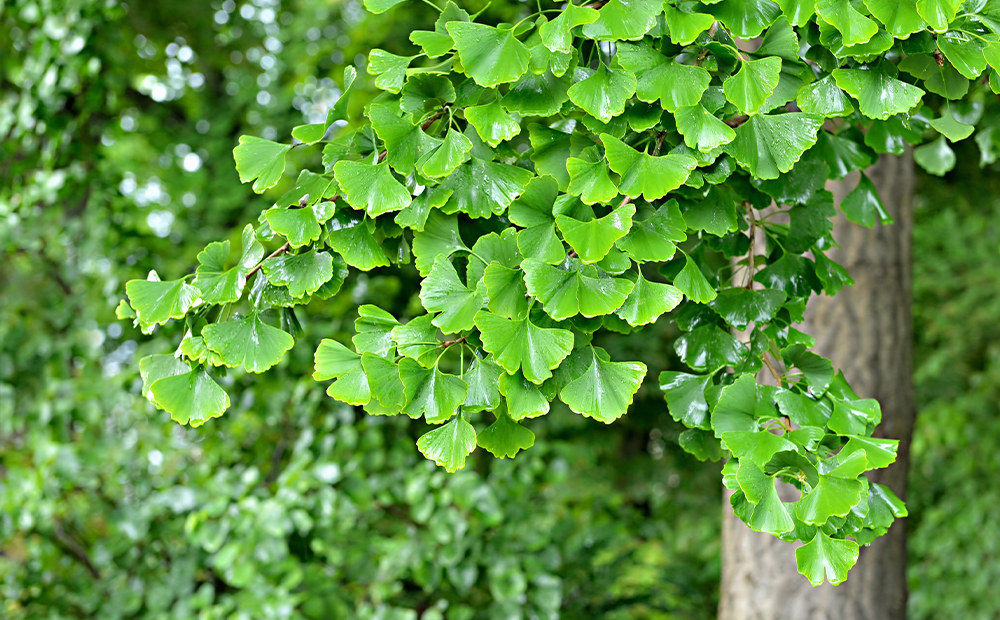
Medicinal Facts
Ginkgo biloba's medicinal prowess is largely attributed to its unique flavonoid glycosides and terpene lactones, including ginkgolides and bilobalide. It stands at the intersection of traditional Chinese medicine, where it has been used for centuries to support cognitive function and circulation, and modern pharmacological research focused on neuroprotection and vascular health. Ginkgo's effects on platelet-activating factor (PAF) and its antioxidant properties are well-documented, making it a subject of interest for both cognitive enhancement and cardiovascular support. Its use is often limited by the variability in active compound concentrations across different extracts.
What it helps with
Cognitive function & memory
Ginkgo biloba enhances cognitive function primarily through its ginkgolides and bilobalide, which inhibit platelet-activating factor (PAF) and modulate neurotransmitter systems, including serotonin and dopamine receptors. This action is complemented by its antioxidant properties, which protect neuronal cells from oxidative stress. Human trials have shown mixed results, but some suggest benefits in mild cognitive impairment and Alzheimer's disease.
Peripheral vascular disease
Ginkgo's flavonoids improve blood flow by enhancing nitric oxide (NO) production and inhibiting thromboxane A2, which reduces platelet aggregation. This vasodilatory effect is beneficial in conditions like intermittent claudication, with evidence from human trials indicating improved walking distance and reduced pain.
Anxiety & mood disorders
Ginkgo biloba may alleviate anxiety through its modulation of the GABAergic system and its antioxidant effects, which reduce neuroinflammation. Some studies suggest it enhances the effects of SSRIs, although evidence is primarily from small-scale human trials and animal models.
Age-related macular degeneration
The flavonoids in Ginkgo biloba, particularly quercetin and kaempferol, exert protective effects on retinal cells by scavenging free radicals and modulating the Nrf2 pathway. This antioxidant action supports retinal health, with some preliminary studies suggesting slowed progression of macular degeneration.
Tinnitus
Ginkgo biloba is traditionally used for tinnitus, potentially through its effects on microcirculation and PAF inhibition, which may improve blood flow to the inner ear. Clinical evidence is mixed, with some studies indicating a reduction in symptoms, while others show no significant effect.
Stroke recovery
Ginkgo's neuroprotective effects are attributed to its ability to reduce oxidative stress and inhibit PAF, which may protect against ischemic damage in stroke. Animal models and some human studies suggest improved recovery outcomes, although more rigorous trials are needed.
Asthma & allergic reactions
Ginkgolides, particularly ginkgolide B, are potent PAF antagonists, reducing bronchoconstriction and inflammatory responses in asthma and allergies. While animal studies support this mechanism, human evidence is less robust and requires further investigation.
Key active compounds
Ginkgolides (A, B, C, J)
These diterpene lactones are unique to Ginkgo and act as potent platelet-activating factor (PAF) antagonists, reducing inflammation and improving circulation. Ginkgolide B is the most studied for its anti-allergic properties.
Bilobalide
A sesquiterpene lactone that provides neuroprotective effects by modulating GABAergic activity and protecting against excitotoxicity. It also contributes to the antioxidant capacity of the extract.
Quercetin
A flavonoid with strong antioxidant properties that modulates the Nrf2 pathway, enhancing cellular defenses against oxidative stress. It also has vasodilatory effects by influencing nitric oxide pathways.
Kaempferol
Another flavonoid that contributes to Ginkgo's antioxidant profile, protecting against oxidative damage and supporting vascular health through similar mechanisms as quercetin.
Isorhamnetin
A methylated flavonoid that enhances the overall antioxidant effect and may contribute to neuroprotection through modulation of inflammatory pathways.
Biflavones
These compounds, including amentoflavone, have been shown to modulate neurotransmitter systems and contribute to the neuroprotective and anxiolytic effects of Ginkgo.
Proanthocyanidins
Present in smaller amounts, these compounds enhance vascular health by strengthening capillary walls and improving microcirculation.
What the research says
Research on Ginkgo biloba is extensive, with strong human evidence for its use in cognitive enhancement and peripheral vascular disease. The ginkgolides and bilobalide are particularly well-studied for their neuroprotective and circulatory benefits, with numerous clinical trials supporting these effects. However, results can be inconsistent, often due to variations in extract standardization and bioavailability issues. The main limitation in Ginkgo research is the variability in active compound concentrations across different extracts, which can affect efficacy. Standardization of extracts and further large-scale, high-quality human trials are needed to fully validate its therapeutic potential.
Typical dosage
For tea or infusion, use 1-2 teaspoons of dried ginkgo leaves per cup of boiling water, steep for 5-10 minutes, and consume up to twice daily. For tinctures, a common dose is 20-40 drops in water, taken 2-3 times daily. Capsules or extracts typically contain 120-240 mg of standardized ginkgo extract, taken once or twice daily. It is important to follow specific product instructions and consult a healthcare provider for personalized dosage recommendations.
About Ginkgo Biloba
Traditional Use
Preparations & Dosage
Preparations
- Tea / Infusion: Use 1-2 teaspoons of dried ginkgo leaves per cup of boiling water. Steep for 5-10 minutes, strain, and enjoy. Add honey or lemon for taste if desired.
- Tincture: Add 20-40 drops of ginkgo tincture to a small amount of water. Consume 2-3 times daily. Shake well before use.
- Capsule: Take 120-240 mg of standardized ginkgo extract in capsule form once or twice daily, with meals.
Interactions & Warnings
Use with caution
Ginkgo biloba may increase bleeding risk and should be used with caution by individuals taking anticoagulant medications or those with bleeding disorders. Pregnant or breastfeeding women should avoid it unless advised by a healthcare provider. High doses can lead to gastrointestinal upset, headaches, or allergic skin reactions.
Herb Interactions
Combining with garlic may increase the risk of bleeding due to enhanced blood-thinning effects.
May alter the metabolism of medications processed by the liver, affecting drug efficacy.
Community Plants
Real plants of this species grown and shared by the MyFloralVault community.

More in Cognitive Function


Was this helpful?
0 · 0
Care Guide Available
Learn how to grow and care for Ginkgo Biloba at home