Ginkgo Biloba
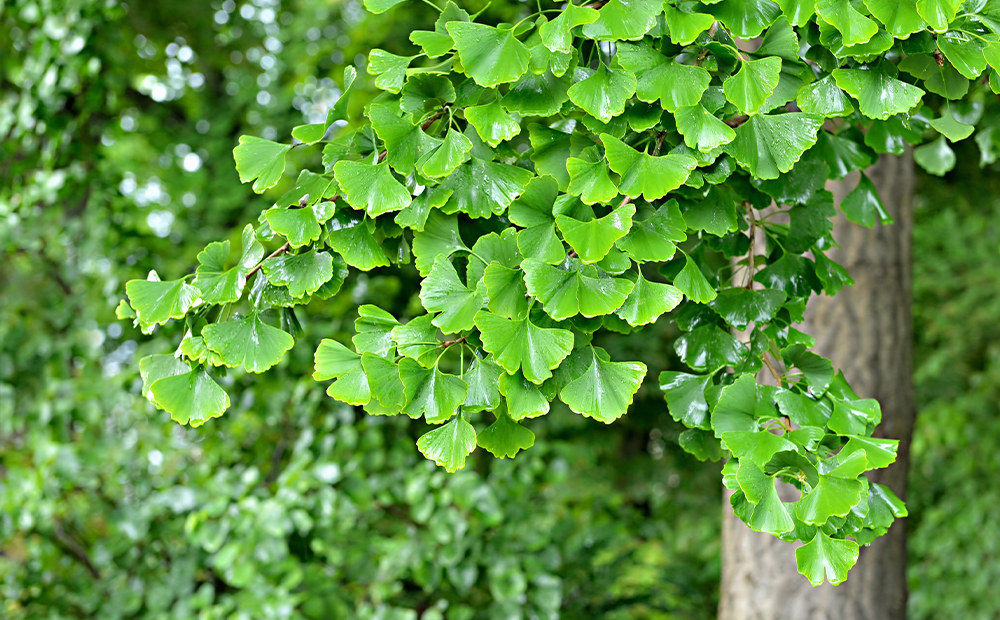
Description by @jominime
one of the most stinkiest, nausea inducing fruits you can find. i haven't smelled noni yet, but ginkgo is probably up there with durian and noni. smells like rancid butter or vomit when they rot.
the fruit and inner seeds are inedible and poisonous.
only the female ginkgo tree produces fruits, so you're safe if you've got a male tree.
they've been recorded to live past 3000 years old as well. if you want long life, pray to be reincarnated as a ginkgo or tardigrade.
the ONLY surviving species in its entire family AND order (Ginkgoales).
all other members of this order went extinct. ginkgo biloba is a fr "living fossil".
ginkgo leaf extract increases blood flow to the brain by relaxing brain blood vessels and preventing platelet clumping.
also increases dopamine and noradrenaline in the prefrontal cortex after 2+ weeks of consistent use.
prevents apoptosis and necrosis of neurons, and improves neuroplasticity as shown in vestibular compensation.
take 120-240 mg daily of standardized extract (22-27% flavonol glycosides, 5.4-6.6% terpene lactones is the EGb 761 spec) for 22+ weeks for measurable dementia benefits.
improves microcirculation throughout the body.
thins the blood mildly, dilates vessels, and improves red blood cell flexibility so they slip through tiny capillaries better.
good for peripheral artery disease (leg pain when walking), Raynaud's disease (cold hands and feet with color changes), diabetic circulation issues, chilblains, and general poor circulation.
ginkgo helps some types of tinnitus and vertigo, but it's mainly when the tinnitus/vertigo is related to poor circulation or cognitive decline in older adults.
protects the retina from oxidative damage and improves blood flow to the eyes.
useful for age-related macular degeneration (AMD).
a couple of clinical trials show vision improvement.
improves vein and eye health, improving blood flow to the area behind the eyes. can help treat poor circulation in the legs.
helps with sexual dysfunction, especially the kind caused by antidepressants like SSRIs. improves genital blood flow through vasodilation and boosts dopamine (which increases libido).
ginkgo helps PMS symptoms including breast tenderness, bloating, mood changes, and cramping. take 80 mg twice daily starting mid-cycle through the first few days of your period.
has anticancer activity through antioxidant protection of DNA, blocking tumor blood vessel formation, and gene regulation.
also protects the heart from damage caused by the chemo drug doxorubicin.
the flavonoids turn on Nrf2 (glutathione production and 200+ protective genes), quercetin and kaempferol kill "zombie" cells that accumulate with aging, and the improved brain blood flow supports healthy cognitive aging.
improves scalp circulation which creates mild hair growth effects.
ginkgo has mild-to-moderate antiplatelet activity through PAF receptor antagonism by ginkgolides A, B, C, and J.
prevents new clots from forming. NOT fibrinolytic. does not dissolve existing clots.
if you have active clots, you need nattokinase, lumbrokinase, bromelain, or serrapeptase.
this antiplatelet activity is stronger than most herbs and creates significant drug interaction concerns.
case reports of subdural hematoma (bleeding around the brain), spontaneous hyphema (bleeding in the eye), post-surgical hemorrhage. discontinue AT LEAST 2 weeks before any surgery.
absolutely avoid combining with warfarin, aspirin, clopidogrel/Plavix, DOACs (apixaban/Eliquis, rivaroxaban/Xarelto, dabigatran/Pradaxa), heparin. combination has caused documented serious bleeding events.
helps prevent altitude sickness for hikers and skiers going up to moderate altitudes (roughly 8000-14000 feet).
start taking 120-160 mg daily 5 days BEFORE going up, continue during the trip.
improves brain blood flow at low oxygen levels and reduces the brain swelling that causes altitude headaches, nausea, and confusion.
dried leaves are more potent.
Related Plants
Plant information is for educational purposes only.