Bear's Head
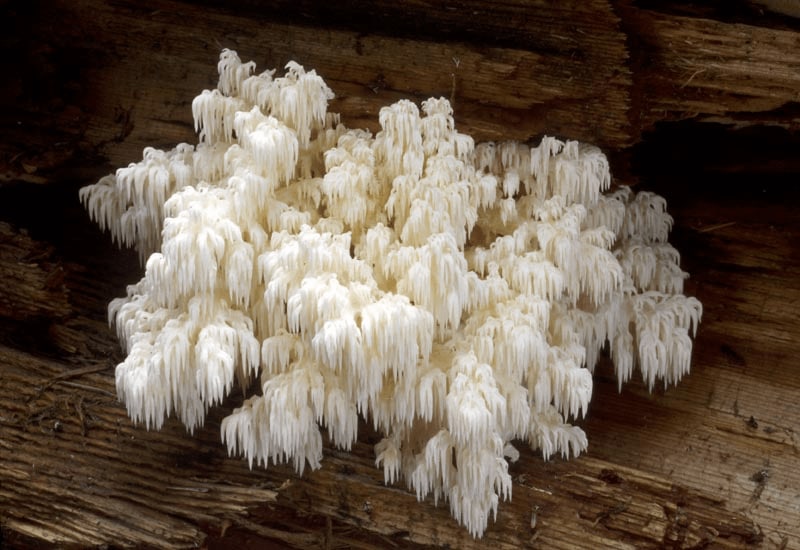
Hericium Abietis
Medicinal Facts
Hericium abietis, commonly known as Bear's Head, is rich in bioactive compounds such as erinacines and hericenones, which are primarily known for their neuroprotective and nootropic effects. This fungus sits at the intersection of traditional mycotherapy, where it is used to support cognitive health and nerve regeneration, and modern research focused on neurogenesis and neurotrophic factors. Its unique ability to stimulate nerve growth factor (NGF) synthesis makes it a subject of interest in both traditional healing practices and contemporary neurological studies.
What it helps with
Cognitive function & memory
Hericenones and erinacines in Hericium abietis stimulate the synthesis of nerve growth factor (NGF), which is crucial for the maintenance and growth of neurons. This action is believed to enhance cognitive function and memory, as evidenced by animal models showing improved performance in memory tasks. Human trials are limited but promising, suggesting potential benefits in mild cognitive impairment.
Neuroprotection
Erinacines have been shown to cross the blood-brain barrier and promote neuroprotection by enhancing the production of NGF and brain-derived neurotrophic factor (BDNF). This supports neuronal survival and plasticity, potentially offering protection against neurodegenerative diseases. Most evidence is preclinical, with some early-stage human studies underway.
Mood & anxiety
Hericenones may modulate serotonergic pathways, influencing serotonin receptors and contributing to mood stabilization. Preliminary studies suggest a potential anxiolytic effect, likely through interaction with the serotonin 5-HT1A receptor, although human evidence is still emerging.
Nerve regeneration
Erinacines in Hericium abietis have been documented to promote the regeneration of peripheral nerves by enhancing NGF production. This has been observed in animal models of nerve injury, where improved recovery rates were noted. Traditional use aligns with these findings, although clinical trials are needed to confirm efficacy in humans.
Gastrointestinal health
Polysaccharides present in Hericium abietis exhibit prebiotic effects, supporting gut microbiota balance and intestinal health. They may enhance mucosal immunity and reduce inflammation through modulation of the gut-associated lymphoid tissue (GALT). Evidence is primarily from in vitro and animal studies.
Immune modulation
The polysaccharides in Hericium abietis are known to activate macrophages and dendritic cells, enhancing the immune response. This immunomodulatory effect is mediated through the activation of NF-kB and MAPK pathways, as demonstrated in preclinical studies.
Antioxidant support
Hericium abietis contains phenolic compounds that scavenge free radicals and upregulate antioxidant enzymes such as superoxide dismutase (SOD) and catalase. This antioxidant activity helps to mitigate oxidative stress, a contributor to chronic diseases. Most evidence comes from in vitro assays.
Key active compounds
Erinacines
Diterpenoid compounds that stimulate NGF synthesis, crucial for neuronal growth and repair. They cross the blood-brain barrier, enhancing their potential for neuroprotective effects.
Hericenones
Aromatic compounds that also promote NGF production and may modulate serotonergic pathways, contributing to cognitive and mood-enhancing effects.
Polysaccharides
Complex carbohydrates with immunomodulatory and prebiotic effects. They activate immune pathways and support gut health, enhancing overall immune function.
Phenolic compounds
Antioxidants that scavenge free radicals and upregulate endogenous antioxidant defenses, reducing oxidative stress.
Beta-glucans
A type of polysaccharide known for immune-enhancing properties, stimulating macrophages and natural killer cells through the dectin-1 receptor.
Ergosterol
A sterol that serves as a precursor to vitamin D2 and exhibits antioxidant properties, contributing to the overall health benefits of the fungus.
What the research says
Research on Hericium abietis is primarily preclinical, with a strong focus on its neuroprotective and cognitive-enhancing properties. Erinacines and hericenones are the most studied compounds, with animal models demonstrating significant potential in neurogenesis and nerve repair. Human trials are limited but indicate possible benefits in cognitive health and mood disorders. The main limitation in the research is the lack of large-scale human studies, which are needed to confirm these effects. Efforts to improve bioavailability and standardize extracts are ongoing to enhance the therapeutic potential of Hericium abietis.
Typical dosage
For capsules, a common dosage is 500 mg taken once or twice daily. As a powder, 1-2 grams can be mixed into smoothies or beverages. Tinctures are typically consumed at a dose of 1-2 ml, up to three times daily. For tea or infusion, steep 1-2 teaspoons of dried mushroom in hot water for 10-15 minutes, consumed up to twice daily. It's important to start with lower doses to assess tolerance.
About Bear's Head
Traditional Use
Preparations & Dosage
Preparations
- Tea / Infusion: Boil water and pour over 1-2 teaspoons of dried Hericium abietis. Let it steep for 10-15 minutes. Strain and enjoy warm. Add honey or lemon for taste if desired.
- Capsule: Take 500 mg capsules once or twice daily with meals. Ensure capsules are stored in a cool, dry place.
- Powder: Mix 1-2 grams of Hericium abietis powder into smoothies, juices, or water. Stir well before consuming.
- Tincture: Use a dropper to measure 1-2 ml of tincture, taking it up to three times daily. Can be added to water or taken directly under the tongue.
Interactions & Warnings
Use with caution
While generally considered safe, individuals with mushroom allergies should avoid Hericium abietis. Pregnant or breastfeeding women should consult a healthcare provider before use. Some individuals may experience digestive upset.
Herb Interactions
May enhance cognitive effects, potentially leading to overstimulation.
Combined use may alter mood balance, requiring monitoring for mood swings.
Community Plants
Real plants of this species grown and shared by the MyFloralVault community.
More in Cognitive Function


Was this helpful?
0 · 0