Bear's head
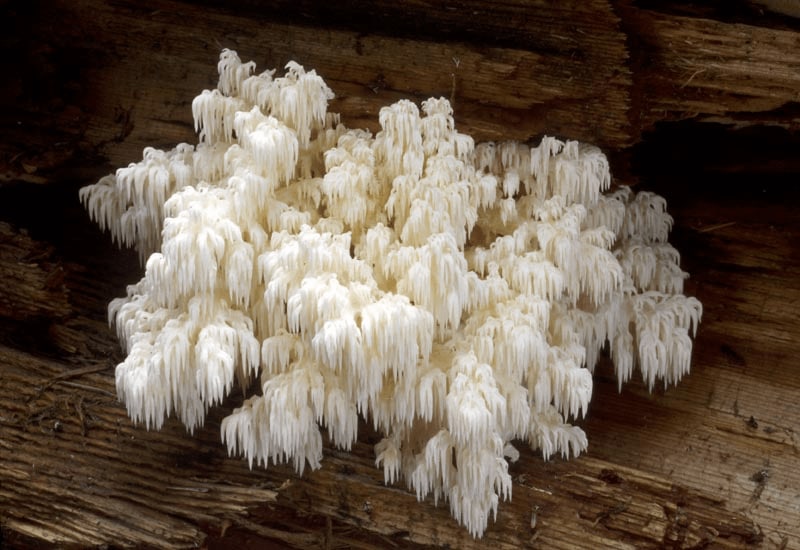
Description by @jominime
rarer and larger than its relative H. erinaceus (lion's mane).
one of the most prized wild edibles of the Pacific Northwes.
sought by foragers and chefs, commanding high prices at farmers markets.
texture has been described as meaty and flavor as mild seafood/lobster.
among the only food-sourced compounds known to cross the blood-brain barrier and directly stimulate nerve growth factor production, with human clinical trial evidence for cognitive improvement in mild cognitive impairment.
polysaccharide fraction stimulates macrophage phagocytosis, NK cell activation, and cytokine secretion. beta-glucans bind to Dectin-1 receptors on immune cells, triggering innate immune response pathways.
used in China and Japan for dyspepsia, chronic gastritis, and digestive tract tumors for over 2,000 years.
hericenones are aromatic compounds from the fruiting body that also stimulate NGF synthesis through a distinct mechanism from the erinacines — meaning consuming whole fruiting bodies gives different NGF-stimulating compounds than mycelium extracts.
erinacine A specifically has been studied extensively for neuroprotection against Alzheimer's and Parkinson's disease models.
it crosses the blood-brain barrier (unique among most medicinal mushroom compounds), stimulates NGF in the hippocampus, and reduces amyloid-β plaques in animal models. human clinical trials have shown measurable improvement in cognitive function in mild cognitive impairment patients.
erinacines are cyathane-type diterpenoids found in Hericium mycelium that stimulate nerve growth factor (NGF) and brain-derived neurotrophic factor (BDNF) synthesis — the primary growth factors required for neuronal survival, differentiation, and regeneration. main constituents include erinacines A–I (cyathane-type diterpenoid aromatic compounds), steroids including ergosterol and erinarols A–F, alkaloids including hericirine, and vitamin B12-c-lactone.
Related Plants
Plant information is for educational purposes only.