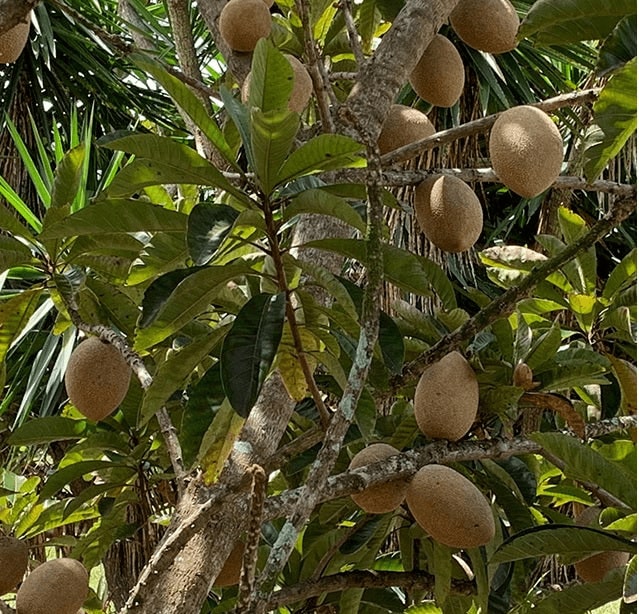
Mamey Sapote
Pouteria Sapota
Medicinal Facts
Pouteria sapota, commonly known as Mamey Sapote, is rich in carotenoids such as beta-carotene, and phenolic compounds like gallic acid, placing it at the intersection of traditional Central American dietary uses and modern antioxidant research. It is traditionally consumed for its nutritional benefits and is now being explored for its potential in oxidative stress modulation and metabolic health. The fruit's vibrant color and nutrient density suggest a role in supporting eye health and immune function, while its seeds contain oils with potential anti-inflammatory properties.
What it helps with
Oxidative stress
Beta-carotene, a potent antioxidant found in Pouteria sapota, scavenges free radicals and reduces oxidative damage by quenching singlet oxygen and neutralizing free radicals. This mechanism is supported by in vitro studies showing enhanced antioxidant enzyme activity, such as superoxide dismutase (SOD) and catalase, which protect cellular components from oxidative damage.
Eye health
The high beta-carotene content in Mamey Sapote is a precursor to vitamin A, essential for maintaining healthy vision. It supports the function of rhodopsin, a protein in the eyes that absorbs light, and helps in the prevention of night blindness. This traditional use is corroborated by the biochemical role of beta-carotene in the visual cycle.
Immune function
Beta-carotene and other carotenoids in Pouteria sapota enhance immune function by modulating the activity of immune cells. They influence the differentiation and proliferation of T-lymphocytes and enhance the production of cytokines, as shown in animal models, thus supporting the body's defense mechanisms against pathogens.
Cardiovascular health
The phenolic compounds, particularly gallic acid, in Mamey Sapote exhibit vasodilatory effects by enhancing endothelial nitric oxide synthase (eNOS) activity, leading to improved blood flow and reduced blood pressure. This mechanism has been observed in vitro and suggests potential benefits in managing hypertension.
Anti-inflammatory effects
The seed oil of Pouteria sapota contains fatty acids that inhibit the cyclooxygenase (COX) pathway, reducing the synthesis of pro-inflammatory mediators like prostaglandins. This traditional use is supported by animal studies showing reduced markers of inflammation.
Metabolic health
Gallic acid in Mamey Sapote has been shown to modulate glucose metabolism by enhancing insulin sensitivity and inhibiting alpha-glucosidase, an enzyme involved in carbohydrate digestion. This dual action suggests potential benefits in managing blood sugar levels, as indicated by preclinical studies.
Skin health
The rich vitamin A precursor activity from beta-carotene supports skin health by promoting cell turnover and repair. This is traditionally used to improve skin texture and resilience, and modern studies highlight its role in enhancing collagen synthesis and reducing UV-induced damage.
Key active compounds
Beta-carotene
A carotenoid that serves as a precursor to vitamin A. It exhibits strong antioxidant properties by quenching singlet oxygen and neutralizing free radicals, crucial for eye health and immune function.
Gallic acid
A phenolic compound with potent antioxidant and anti-inflammatory effects. It modulates key enzymes like eNOS and alpha-glucosidase, contributing to cardiovascular and metabolic health.
Fatty acids (seed oil)
Include oleic and linoleic acids, which inhibit the COX pathway, reducing inflammation. They are also involved in maintaining skin barrier function and hydration.
Vitamin C
An essential nutrient with antioxidant properties that supports collagen synthesis and immune function. It enhances the absorption of non-heme iron and regenerates other antioxidants like vitamin E.
Tocopherols
Forms of vitamin E that provide antioxidant protection to cell membranes by interrupting lipid peroxidation chain reactions.
Dietary fiber
Contributes to digestive health by promoting regular bowel movements and supporting a healthy gut microbiome. It also aids in cholesterol management by binding bile acids.
What the research says
Research on Pouteria sapota focuses on its antioxidant potential, with beta-carotene and gallic acid showing significant free radical scavenging activity in vitro. The strongest human evidence relates to its nutritional benefits, particularly in supporting eye and skin health, although most studies remain preliminary. Animal studies highlight its cardiovascular and metabolic benefits, particularly through the modulation of eNOS and glucose metabolism. The main limitation is the variability in compound concentration due to cultivation conditions, which is addressed by standardizing extracts for specific bioactive compounds.
Typical dosage
For digestive health, consume 100-200 grams of fresh mamey sapote fruit daily. For immune support, a glass of mamey sapote juice (approximately 250 ml) can be consumed once daily. For skin health, apply a small amount of seed oil topically as needed, ensuring to test for allergic reactions on a small skin area first.
About Mamey Sapote
Traditional Use
Preparations & Dosage
Preparations
- Fruit consumption: Peel the mamey sapote and remove the seed. Cut the flesh into chunks and consume fresh or add to fruit salads.
- Juice: Blend peeled and pitted mamey sapote with water or milk until smooth. Strain if desired and serve chilled.
- Topical application: Extract oil from the seeds by pressing or purchase commercially prepared oil. Apply a small amount to the skin and massage gently.
Interactions & Warnings
Use with caution
While generally safe when consumed as a fruit, individuals with latex allergies should exercise caution as the sapote family can trigger allergic reactions. Pregnant and breastfeeding women should consult a healthcare provider before using it medicinally.
Herb Interactions
Combined use may enhance laxative effects, potentially leading to diarrhea.
Community Plants
Real plants of this species grown and shared by the MyFloralVault community.
More in Digestive Health


Was this helpful?
0 · 0
Care Guide Available
Learn how to grow and care for Mamey Sapote at home