Katemfe
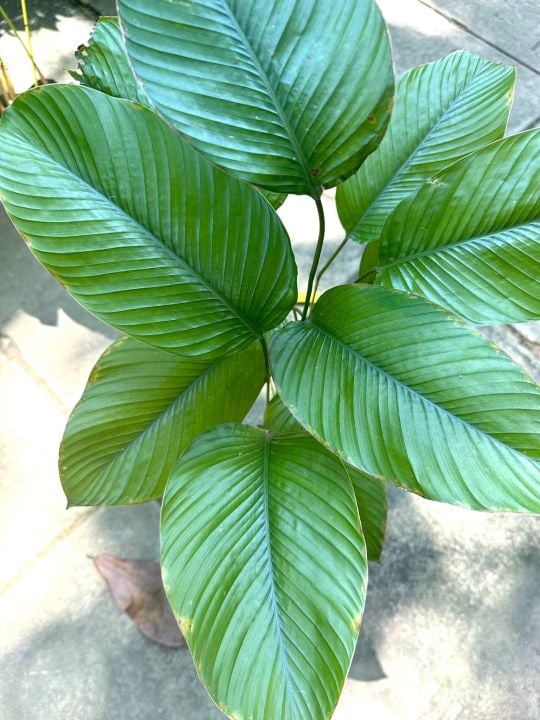
Thaumatococcus Daniellii
Medicinal Facts
Thaumatococcus daniellii, commonly known as Katemfe, is renowned for its sweetening compound thaumatin, a protein that is intensely sweet and used as a natural sweetener. This plant sits at the crossroads of traditional West African uses, where it is employed for its leaves and fruit, and modern food science, which explores thaumatin's potential as a non-caloric sweetener. Its unique mechanism of sweetness, which involves binding to sweet taste receptors, distinguishes it from other sweeteners and opens avenues for research into taste modulation and metabolic health.
What it helps with
Taste modulation & sweetening
Thaumatin, the primary active compound, binds to sweet taste receptors (T1R2/T1R3 heterodimer) on the tongue, leading to a perception of sweetness that is several thousand times greater than sucrose. This mechanism is leveraged in food technology to provide sweetness without calories, and it is particularly valued for its ability to enhance flavor profiles in low-sugar products. Human sensory studies confirm its efficacy and safety as a sweetener.
Metabolic health
Thaumatin's use as a non-caloric sweetener may support metabolic health by reducing sugar intake, thus lowering the risk of insulin resistance and obesity. Though direct metabolic effects are less studied, its role in sugar reduction is supported by human dietary intervention studies focusing on non-caloric sweeteners.
Antioxidant activity
The leaves of Thaumatococcus daniellii contain phenolic compounds that exhibit antioxidant activity by scavenging free radicals and modulating oxidative stress pathways such as Nrf2. In vitro assays demonstrate significant antioxidant potential, suggesting a protective role against oxidative damage.
Anti-inflammatory properties
Phenolic compounds in the leaves may exert anti-inflammatory effects by inhibiting pro-inflammatory cytokines like TNF-a and IL-6. This modulation of inflammatory pathways is primarily supported by in vitro and animal studies, indicating potential for managing inflammatory conditions.
Digestive health
Traditionally, the leaves are used to wrap foods, which may impart mild digestive benefits. The presence of fiber and bioactive compounds could support gut health by promoting beneficial microbiota and reducing gastrointestinal inflammation, although direct evidence is limited.
Wound healing
The application of Thaumatococcus daniellii leaves in traditional medicine for wound healing may be attributed to their antimicrobial and anti-inflammatory properties. Compounds in the leaves could inhibit microbial growth and promote healing pathways, though this use is primarily anecdotal and requires more research.
Oral health
Thaumatin's sweetness without fermentable sugars may benefit oral health by reducing the risk of dental caries. By not contributing to acid production by oral bacteria, it helps maintain dental enamel integrity, as supported by studies on non-cariogenic sweeteners.
Key active compounds
Thaumatin
A sweet-tasting protein that binds to the T1R2/T1R3 sweet taste receptors, producing an intense sweet sensation. It is heat-stable and does not contribute to calories, making it valuable in food science.
Phenolic compounds
These compounds exhibit antioxidant and anti-inflammatory activities by scavenging free radicals and modulating pathways such as Nrf2 and NF-kB. They contribute to the plant's health benefits beyond sweetness.
Flavonoids
Present in the leaves, flavonoids contribute to antioxidant activity and may modulate inflammatory pathways. They are part of the plant's protective phytochemical profile.
Tannins
These polyphenolic compounds have astringent properties and may contribute to the antimicrobial and wound-healing effects of the leaves.
Saponins
Saponins in the plant may support immune modulation and exhibit mild antimicrobial activity, adding to its traditional uses.
Fibers
The dietary fibers present in the leaves can support digestive health by enhancing gut motility and promoting beneficial gut microbiota.
What the research says
Research on Thaumatococcus daniellii is primarily focused on its sweetening compound, thaumatin, which has strong human evidence supporting its use as a non-caloric sweetener. Studies demonstrate its safety and efficacy in various food products, highlighting its potential in reducing sugar intake. Preclinical studies explore the antioxidant and anti-inflammatory properties of the plant's leaves, with phenolic compounds showing promise in vitro. However, the main limitation is the lack of extensive human trials on health benefits beyond sweetness. Addressing this gap could involve more comprehensive studies on its metabolic and health effects in humans.
Typical dosage
For use as a natural sweetener, thaumatin extract is typically used in very small amounts due to its intense sweetness. In powdered form, a pinch can be added to beverages or food as needed. For digestive support, a tea or infusion can be prepared using the leaves, steeping 1-2 teaspoons of dried leaves in hot water for 5-10 minutes. Capsules containing thaumatin extract are also available, with typical dosages ranging from 50-100 mg per day, but it is advisable to follow specific product instructions.
About Katemfe
Traditional Use
Preparations & Dosage
Preparations
- Tea / Infusion: To prepare a tea, use 1-2 teaspoons of dried Thaumatococcus daniellii leaves. Pour boiling water over the leaves and let it steep for 5-10 minutes. Strain the leaves before drinking. Optionally, add honey or lemon for flavor.
Interactions & Warnings
Use with caution
Thaumatococcus daniellii is generally considered safe for consumption. However, individuals with allergies to plants in the Marantaceae family should exercise caution. Always consult with a healthcare provider before starting any new herbal supplement, especially if pregnant, nursing, or on medication.
Community Plants
Real plants of this species grown and shared by the MyFloralVault community.

More in Digestive Health


Was this helpful?
0 · 0