Junglesop
Anonidium Mannii
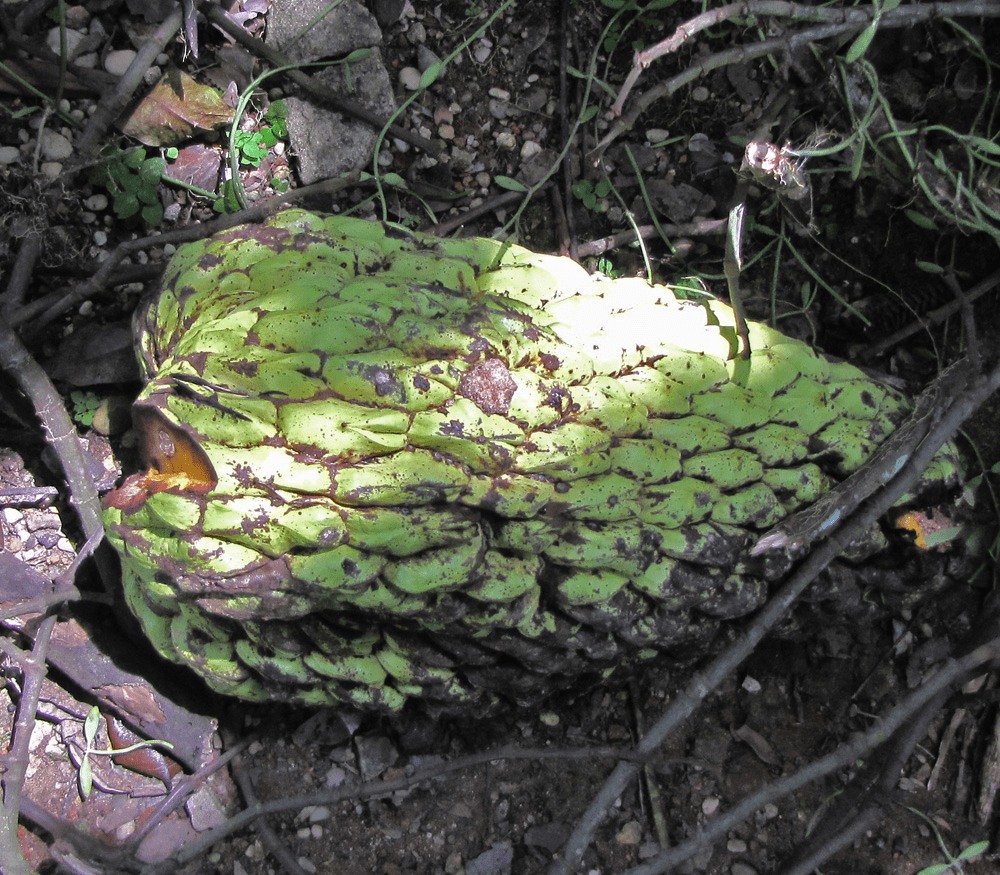
Medicinal Facts
Anonidium mannii, commonly known as Junglesop, is a tropical fruit-bearing tree whose seeds and bark are traditionally utilized for their medicinal properties. The plant is rich in acetogenins, particularly annonacin, which are potent inhibitors of mitochondrial complex I, placing it at the intersection of traditional African herbal medicine and modern neurodegenerative research. Its effects on inflammation and microbial infections are also explored through its flavonoid content, especially quercetin and kaempferol. Despite its potential, the use of Junglesop is limited by concerns over neurotoxicity associated with long-term exposure to its acetogenins.
What it helps with
Neurodegenerative diseases
Annonacin, a principal acetogenin in Junglesop, inhibits mitochondrial complex I, leading to ATP depletion and increased oxidative stress. This mechanism is investigated in the context of neurodegenerative diseases like Parkinson's, where mitochondrial dysfunction is a hallmark. However, its neurotoxicity in high doses raises significant safety concerns, with evidence primarily from in vitro and animal models.
Antimicrobial activity
The seeds and bark of Anonidium mannii contain quercetin and kaempferol, which disrupt bacterial cell walls and inhibit microbial enzymes. These flavonoids have shown efficacy against a range of bacteria and fungi in vitro, supporting traditional uses for infections, though clinical trials are lacking.
Inflammation
Kaempferol in Junglesop modulates the NF-kB pathway, reducing the expression of pro-inflammatory cytokines like TNF-a and IL-6. This anti-inflammatory action is supported by animal studies and aligns with its traditional use for inflammatory conditions.
Cancer research
Acetogenins such as annonacin induce apoptosis in cancer cells by disrupting mitochondrial function and activating caspases. While promising in vitro, the translation to human cancer therapy is limited by potential toxicity and the need for targeted delivery systems.
Antioxidant support
Flavonoids like quercetin and kaempferol scavenge free radicals and upregulate antioxidant enzymes such as superoxide dismutase (SOD). This contributes to cellular protection against oxidative stress, though evidence is primarily from in vitro studies.
Pain relief
The analgesic properties of Junglesop are attributed to its ability to inhibit cyclooxygenase (COX) enzymes, reducing prostaglandin synthesis. Traditional use for pain management is supported by animal studies demonstrating reduced nociceptive responses.
Gastrointestinal health
Traditionally used for digestive issues, Junglesop's tannins exert an astringent effect on the gastrointestinal tract, reducing diarrhea by modulating fluid secretion and intestinal motility. Evidence is largely anecdotal, with limited scientific validation.
Key active compounds
Annonacin
An acetogenin that inhibits mitochondrial complex I, leading to ATP depletion and increased oxidative stress. Its potent bioactivity is counterbalanced by neurotoxic potential, necessitating cautious use.
Quercetin
A flavonoid with antioxidant and anti-inflammatory properties. It modulates NF-kB and scavenges free radicals, contributing to the plant's antimicrobial and anti-inflammatory effects.
Kaempferol
A flavonoid that inhibits NF-kB, reducing pro-inflammatory cytokine production. It also exhibits antimicrobial activity by disrupting microbial cell walls.
Tannins
Polyphenolic compounds that exert astringent effects, useful in managing gastrointestinal disturbances by modulating intestinal motility and fluid secretion.
Saponins
Compounds that enhance the immune response and may contribute to the plant's antimicrobial properties. They can also affect membrane permeability, aiding in nutrient absorption.
Alkaloids
Bioactive compounds with potential analgesic and anti-inflammatory effects. They may interact with opioid receptors, contributing to pain relief.
What the research says
Research on Anonidium mannii primarily focuses on its acetogenins, especially annonacin, for their potent bioactivities and neurotoxic risks. Preclinical studies highlight its role in mitochondrial inhibition and potential applications in neurodegenerative and cancer research, though human trials are sparse. Flavonoids like quercetin and kaempferol are well-studied for their antimicrobial and anti-inflammatory effects, supported by in vitro and animal models. The main limitation in utilizing Junglesop is the neurotoxicity associated with its acetogenins, prompting research into safer delivery methods and dosage forms to mitigate these risks.
Typical dosage
For a decoction, use 1-2 teaspoons of dried leaves or bark per cup of water, boiling for 10-15 minutes. Consume up to twice daily. For tinctures, a standard dose is 1-2 ml taken up to three times a day. If using powder, 500 mg to 1 g can be taken once or twice daily, preferably with meals. Capsules should not exceed 1-2 grams per day. Always start with a lower dose to assess tolerance.
About Junglesop
Traditional Use
Preparations & Dosage
Preparations
- Decoction: Boil 1-2 teaspoons of dried leaves or bark in a cup of water for 10-15 minutes. Strain and drink warm. Add honey or lemon for taste if desired.
- Tincture: Use a 1:5 ratio of plant material to alcohol. Let it steep for 4-6 weeks in a dark place, shaking occasionally. Strain before use.
- Powder: Grind dried leaves or bark into a fine powder. Mix 500 mg to 1 g into smoothies or water.
Interactions & Warnings
Use with caution
While Anonidium mannii has traditional uses, there is limited scientific research on its safety and efficacy. Pregnant or breastfeeding women should avoid it due to insufficient data. It may interact with medications, especially those affecting the digestive system.
Herb Interactions
May enhance digestive effects, potentially leading to gastrointestinal upset if consumed in large amounts.
Community Plants
Real plants of this species grown and shared by the MyFloralVault community.

More in Digestive Health


Was this helpful?
0 · 0