Junglesop
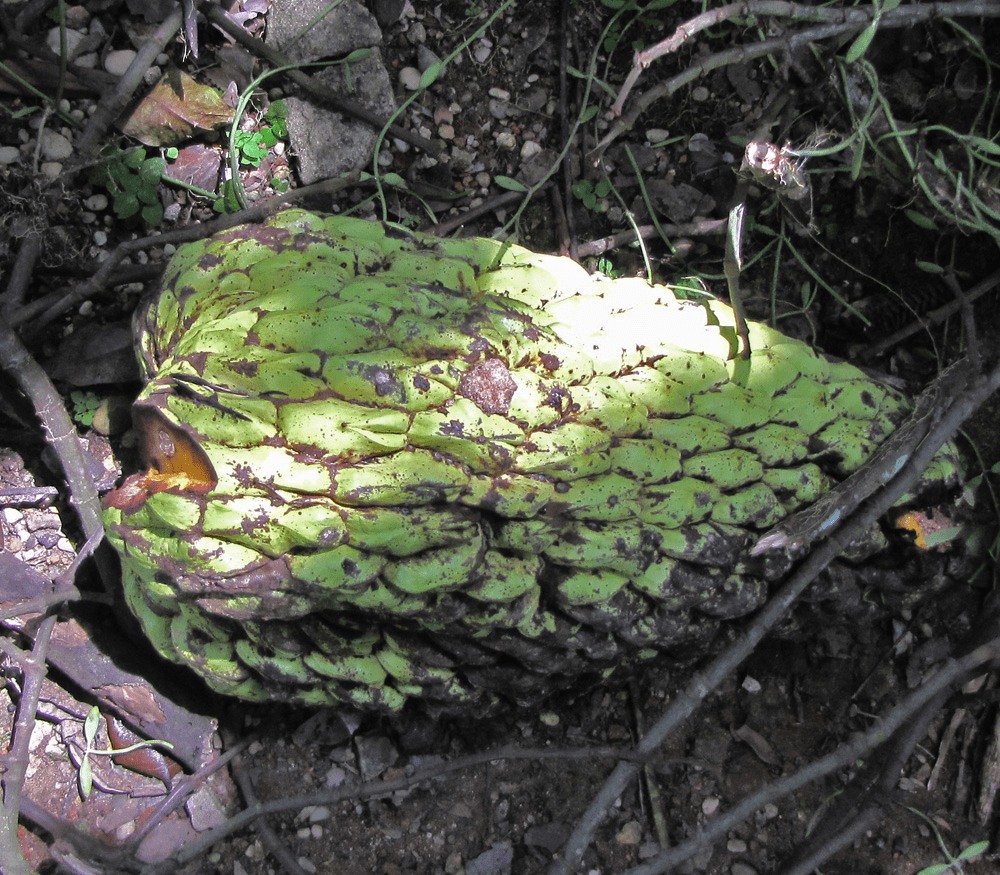
Description by @jominime
used in folk medicine for spider and snakebites, bronchitis, dysentery, gastroenteritis, syphilis, diarrhea, and malaria.
two new phytosteroids never previously described in science were isolated from the leaves, named anonimadiol A and B. anonimadiol A at 20 µg/mL showed cytotoxicity against HeLa cells with 20.2% cell viability remaining (meaning 79.8% of cervical cancer cells were killed). IC50 against HeLa was 11.21 µg/mL.
for reference, most compounds with IC50 below 20 µg/mL against HeLa are considered highly active.
anonimadiol A showed 50% inhibition concentration of 11.21 µg/mL against Plasmodium falciparum — the parasite responsible for the most lethal form of malaria.
anonimadiol A showed a notable MIC90 of 39.4 µg/mL against Mycobacterium tuberculosis H37Ra — and had active MICs against Salmonella typhi (60 µg/mL) and Candida albicans (250 µg/mL), with the Salmonella activity outperforming ciprofloxacin (39 vs 39 µg/mL — roughly equivalent).
tldr: very effective anti-cancer compounds in junglesop extracts.
rats treated with A. mannii extract at 50 and 150 mg/kg showed reduced breast tumor incidence by 28%, tumor burden reduction of 95.34% (50 mg/kg) and 99.14% (150 mg/kg), and tumor volume reduction of approximately 92% in a DMBA-induced breast cancer model. the extract decreased MDA and nitrite levels but increased SOD activity in the mammary gland.
A. mannii leaf extract showed IC50 of 9.14 µg/mL against U87MG.ΔEGFR cells (an EGFR-overexpressing glioblastoma line) and induced G0/G1 cell cycle arrest across 8 out of 9 cancer cell lines tested — including drug-resistant lines. EGFR overexpression is one of the primary mechanisms by which cancers evade targeted therapy. hitting that cell line at 9 µg/mL while also inducing cell cycle arrest is significant.
anti-schistosomal -
a new alkaloid named manniindole was isolated from the roots alongside aristolactam AII, aristolactam BII, piperolactam D, and polycarpol. aristolactam AII showed worm-killing capability against Schistosoma mansoni. piperolactam D showed significant inhibition of SmNACE — a NAD+-catabolizing enzyme localized on the outer surface of the adult schistosome parasite.
Related Plants
Plant information is for educational purposes only.