Javanese Ginseng
Talinum Paniculatum

Medicinal Facts
Talinum paniculatum, commonly known as Javanese Ginseng, is renowned for its saponins, flavonoids, and polysaccharides, which form the cornerstone of its medicinal profile. It sits at the intersection of traditional Southeast Asian herbal practices, where it is used for vitality and reproductive health, and modern pharmacological research focusing on its adaptogenic and antioxidant properties. The plant's bioactive compounds are increasingly studied for their potential in modulating stress responses and supporting metabolic health. Its traditional applications are being re-evaluated through the lens of contemporary science, particularly in the areas of hormonal balance and cellular protection.
What it helps with
Adaptogenic support & stress resilience
Saponins in Talinum paniculatum may modulate the hypothalamic-pituitary-adrenal (HPA) axis, reducing cortisol levels and enhancing stress resilience. Flavonoids contribute to this effect by inhibiting monoamine oxidase (MAO), which can improve mood and reduce anxiety. Evidence is primarily preclinical, with traditional use supporting these findings.
Reproductive health & libido
Saponins such as talinosaponin are thought to enhance libido and reproductive function by increasing testosterone levels and improving sperm quality. This is achieved through the modulation of luteinizing hormone (LH) and follicle-stimulating hormone (FSH) pathways. Animal studies provide the bulk of the evidence, aligning with its traditional use as an aphrodisiac.
Antioxidant & cellular protection
Flavonoids and polysaccharides in Javanese Ginseng scavenge free radicals and upregulate the Nrf2 pathway, enhancing cellular antioxidant defenses. This action helps in reducing oxidative stress and protecting against cellular damage, with evidence from in vitro studies and traditional usage.
Metabolic health & glucose regulation
The plant's polysaccharides may improve insulin sensitivity and glucose uptake by modulating the AMPK pathway. This has implications for managing blood sugar levels and metabolic syndrome, supported by animal model research and traditional applications for energy balance.
Immune modulation
Polysaccharides from Talinum paniculatum enhance immune function by stimulating macrophage activity and modulating cytokine production. This immunomodulatory effect is supported by in vitro and animal studies, aligning with its traditional use as a general tonic.
Anti-inflammatory effects
Saponins and flavonoids inhibit the NF-kB pathway, reducing the production of pro-inflammatory cytokines such as TNF-a and IL-6. This anti-inflammatory action is supported by preclinical studies, suggesting potential benefits in inflammatory conditions.
Cognitive support & neuroprotection
Flavonoids in the plant may enhance cognitive function by modulating the cholinergic system and reducing neuroinflammation. This is achieved through the inhibition of acetylcholinesterase and the reduction of amyloid-beta aggregation, with evidence primarily from animal studies.
Key active compounds
Talinosaponin
A saponin that modulates hormonal pathways, potentially enhancing testosterone levels and improving reproductive health. It may also contribute to the plant's adaptogenic properties by influencing the HPA axis.
Flavonoids
These compounds exhibit antioxidant activity by scavenging free radicals and modulating the Nrf2 pathway. They also inhibit monoamine oxidase, which may improve mood and reduce anxiety.
Polysaccharides
Bioactive components that enhance immune function by stimulating macrophage activity and modulating cytokine production. They also contribute to antioxidant defenses and glucose regulation through the AMPK pathway.
Quercetin
A flavonoid with potent antioxidant properties, known for inhibiting the NF-kB pathway and reducing inflammation. It also supports cardiovascular health by enhancing endothelial function.
Kaempferol
A flavonoid that exhibits anti-inflammatory and antioxidant effects, modulating pathways such as NF-kB and Nrf2. It may also contribute to neuroprotection by inhibiting acetylcholinesterase.
Beta-sitosterol
A phytosterol that supports cardiovascular health by reducing cholesterol absorption in the intestines. It may also exhibit anti-inflammatory properties by modulating cytokine production.
Talinum polysaccharides
These specific polysaccharides are involved in immune modulation and antioxidant activity, enhancing macrophage function and reducing oxidative stress.
What the research says
Research on Talinum paniculatum focuses on its adaptogenic and reproductive health benefits. Saponins and flavonoids show promise in modulating stress responses and hormonal pathways, with animal studies supporting traditional claims of libido enhancement and stress resilience. Antioxidant and anti-inflammatory effects, driven by flavonoids and polysaccharides, are well-documented in preclinical models, suggesting potential for broader health applications. However, the main limitation remains the lack of large-scale human trials, particularly concerning bioavailability and standardized dosing. Future research should aim to address these gaps, potentially through the development of more bioavailable formulations or extracts.
Typical dosage
For tea or infusion, use 1-2 teaspoons of dried leaves per cup of hot water, steep for 10-15 minutes, and consume up to twice daily. For tinctures, a typical dosage is 1-2 ml taken 2-3 times per day. Capsules containing standardized extracts can be taken at 500 mg, 1-2 times daily. Decoctions involve boiling 1-2 teaspoons of the root in water for 20-30 minutes, with a recommended intake of up to two cups per day. Always start with lower doses to assess tolerance.
About Javanese Ginseng
Traditional Use
Preparations & Dosage
Preparations
- Tea / Infusion: Use 1-2 teaspoons of dried leaves per cup of hot water. Steep for 10-15 minutes, strain, and drink. Add honey or lemon for taste if desired.
- Tincture: Combine 1 part dried root with 5 parts alcohol (e.g., vodka) in a jar. Seal and store in a cool, dark place for 4-6 weeks, shaking occasionally. Strain before use.
- Capsule: Fill capsules with standardized extract powder. Take with water, preferably with meals.
- Decoction: Boil 1-2 teaspoons of the root in water for 20-30 minutes. Strain and consume. Sweeten with honey if desired.
Interactions & Warnings
Use with caution
While generally considered safe, Javanese Ginseng should be used with caution by individuals with hormone-sensitive conditions due to its potential estrogenic effects. Pregnant and breastfeeding women should avoid its use. Always consult a healthcare provider before starting any new herbal regimen.
Herb Interactions
Combining with other adaptogenic herbs like ginseng may amplify effects, potentially leading to overstimulation or hormonal imbalances.
Community Plants
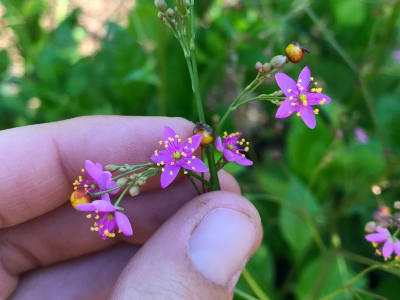
Real plants of this species grown and shared by the MyFloralVault community.
More in Energy & Vitality





Was this helpful?
0 · 0