Coffee
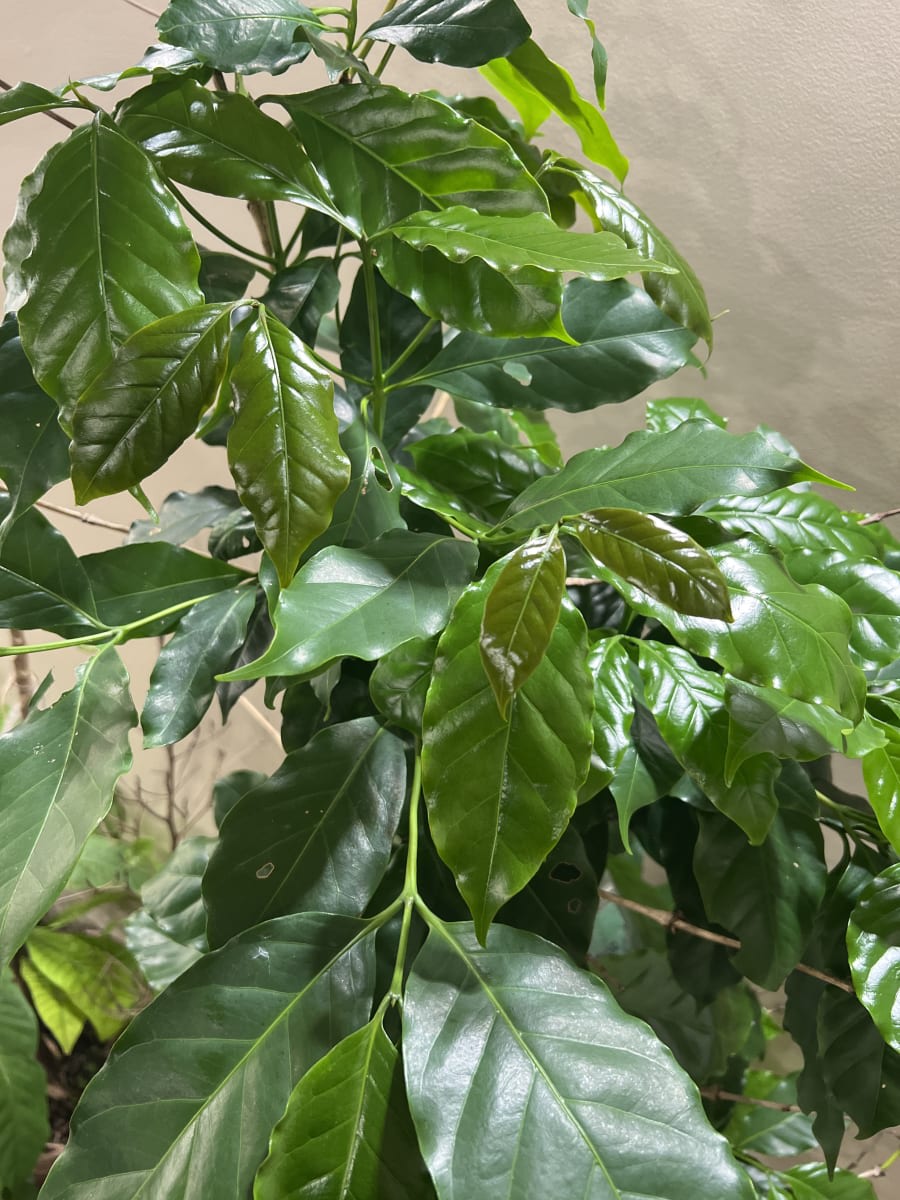
Coffea Arabica
Medicinal Facts
Coffea arabica's primary active compound, caffeine, is a well-known stimulant that enhances alertness and cognitive performance. It sits at the intersection of traditional beverage culture and modern nutritional science, where its effects on energy and mood are extensively studied. The presence of antioxidants in coffee also contributes to its potential health benefits, although excessive consumption can lead to negative side effects.
What it helps with
Fatigue
Caffeine blocks adenosine receptors, reducing the perception of fatigue and enhancing alertness. Research shows that moderate coffee consumption can improve physical performance and reduce perceived exertion during exercise.
Cognitive enhancement
Caffeine enhances cognitive function by increasing dopamine signaling and improving focus and attention. Studies indicate that it can improve reaction time and cognitive performance in both sleep-deprived and well-rested individuals.
Mood elevation
Caffeine may elevate mood by increasing serotonin levels and reducing the risk of depression. Epidemiological studies suggest that regular coffee consumption is associated with a lower risk of depression and suicide.
Athletic performance support
Caffeine enhances endurance performance by mobilizing fatty acids from fat tissues, thus sparing glycogen stores. Research indicates that caffeine can improve performance in endurance sports and high-intensity exercise.
Key active compounds
Caffeine
Stimulant that blocks adenosine receptors, enhancing alertness and cognitive function.
Chlorogenic acids
Antioxidants that may contribute to metabolic health and have anti-inflammatory properties.
Diterpenes (cafestol and kahweol)
Compounds that may have cholesterol-raising effects but also exhibit anti-cancer properties.
Trigonelline
Alkaloid that may have neuroprotective effects and contributes to the aroma of coffee.
Niacin (Vitamin B3)
Present in coffee, it plays a role in energy metabolism and may support cardiovascular health.
What the research says
Research on Coffea arabica primarily focuses on its caffeine content and associated health benefits. Studies show that moderate coffee consumption is linked to improved cognitive function, reduced risk of certain diseases, and enhanced physical performance. The presence of antioxidants, particularly chlorogenic acids, suggests potential protective effects against oxidative stress and inflammation. However, excessive caffeine intake can lead to adverse effects, and individual tolerance varies widely, making moderation key.
Typical dosage
For brewed coffee, a typical serving is 8 ounces (240 ml), consumed 1-3 times daily. For espresso, a standard serving is 1 ounce (30 ml), also taken 1-3 times daily. Cold brew coffee can be consumed in similar quantities, but it is often less acidic and may be more palatable for some individuals. Caution is advised for those sensitive to caffeine, as excessive intake can lead to side effects such as jitteriness, insomnia, and increased heart rate.
About Coffee
Preparations & Dosage
Preparations
- Brewed coffee: Use freshly ground coffee beans, typically 1-2 tablespoons per 6 ounces of water. Brew using a drip coffee maker or French press, allowing the coffee to steep for 4-5 minutes before serving.
- Espresso: Use finely ground coffee, typically 7-9 grams per shot. Brew using an espresso machine, forcing hot water through the coffee grounds for about 25-30 seconds.
- Cold brew: Combine coarsely ground coffee with cold water in a 1:4 ratio. Steep in the refrigerator for 12-24 hours, then strain and serve over ice.
- Coffee extract: Steep ground coffee in alcohol or glycerin for several weeks, then strain to obtain a concentrated extract.
Interactions & Warnings
Use with caution
Coffea arabica contains caffeine, which can lead to increased heart rate, anxiety, and insomnia in sensitive individuals. Pregnant women and those with certain heart conditions should limit their intake and consult a healthcare provider before consumption.
Herb Interactions
May reduce the effectiveness of caffeine due to its enzyme-inducing properties.
Both may enhance energy levels, but excessive use can lead to overstimulation.
Community Plants
Real plants of this species grown and shared by the MyFloralVault community.

More in Energy & Vitality





Was this helpful?
0 · 0
Care Guide Available
Learn how to grow and care for Coffee at home