Jiaogulan
Gynostemma pentaphyllum

Medicinal Facts
Gynostemma pentaphyllum, commonly known as Jiaogulan, is rich in dammarane-type saponins called gypenosides, which are structurally similar to ginsenosides found in Panax ginseng. This plant sits at the intersection of traditional Chinese medicine, where it is revered as an 'immortality herb' for its adaptogenic and longevity-promoting properties, and modern research, which explores its potential in metabolic regulation and cardiovascular health. The plant's multifaceted effects are attributed to its modulation of AMPK, NF-kB, and SIRT1 pathways, offering a broad spectrum of health benefits.
What it helps with
Metabolic syndrome & diabetes
Gypenosides activate AMP-activated protein kinase (AMPK), enhancing glucose uptake in muscle cells and improving insulin sensitivity. This action is supported by human trials showing improved glycemic control and lipid profiles. The modulation of AMPK also reduces hepatic gluconeogenesis, making Jiaogulan a promising adjunct in managing type 2 diabetes.
Cardiovascular health
Through the upregulation of endothelial nitric oxide synthase (eNOS), gypenosides promote vasodilation and improve endothelial function. Animal studies demonstrate a reduction in blood pressure and improved lipid metabolism, while small human trials indicate potential benefits in managing hypertension and dyslipidemia.
Longevity & cellular aging
Jiaogulan's gypenosides may activate SIRT1, a sirtuin associated with lifespan extension and cellular stress resistance. This activation supports mitochondrial biogenesis via PGC-1a and may enhance telomerase activity, as suggested by in vitro studies, positioning Jiaogulan as a candidate for longevity research.
Chronic inflammation
Gypenosides inhibit the NF-kB pathway, reducing the expression of pro-inflammatory cytokines such as TNF-a and IL-6. This anti-inflammatory action is corroborated by animal studies and aligns with traditional uses for inflammatory conditions, though human data are still emerging.
Stress & adaptogenic support
Traditionally used as an adaptogen, Jiaogulan modulates the hypothalamic-pituitary-adrenal (HPA) axis. Gypenosides may influence cortisol levels and enhance resilience to stress, as observed in animal models, supporting its use in stress management protocols.
Neuroprotection
Gypenosides cross the blood-brain barrier and may exert neuroprotective effects by reducing oxidative stress and inhibiting apoptosis in neuronal cells. Animal studies suggest potential benefits in models of neurodegenerative diseases, though human evidence is limited.
Immune modulation
Jiaogulan has been shown to enhance immune function by stimulating macrophage activity and modulating cytokine production. This immunomodulatory effect is primarily supported by preclinical studies, with traditional use indicating benefits for overall immune resilience.
Key active compounds
Gypenosides
Dammarane-type saponins that activate AMPK and SIRT1, modulate NF-kB, and enhance eNOS activity. They are the primary bioactive compounds responsible for Jiaogulan's wide-ranging effects.
Ginsenosides
Structurally similar to gypenosides, these compounds share similar adaptogenic and metabolic regulatory properties, contributing to the plant's overall efficacy.
Flavonoids
These compounds provide antioxidant benefits by scavenging free radicals and enhancing the activity of endogenous antioxidant enzymes such as superoxide dismutase (SOD).
Polysaccharides
Contribute to immune modulation by enhancing macrophage activity and cytokine production, with potential prebiotic effects on gut health.
Sterols
Phytosterols that may contribute to cholesterol-lowering effects by inhibiting intestinal absorption of cholesterol.
Chlorophyll
Possesses detoxifying properties and may support liver function through its antioxidant activity.
What the research says
Research on Jiaogulan predominantly focuses on its metabolic and cardiovascular benefits. Gypenosides have shown strong preclinical evidence in activating AMPK and improving lipid and glucose metabolism, with small human trials supporting these findings. Cardiovascular studies highlight improvements in endothelial function and blood pressure regulation, primarily in animal models, with emerging human data. The main limitation in Jiaogulan research is the variability in saponin content across different preparations, which affects consistency in outcomes. Standardization of extracts and further large-scale human trials are needed to fully validate its therapeutic potential.
Typical dosage
For tea or infusion, use 1-2 teaspoons of dried leaves per cup of boiling water, steep for 5-10 minutes, and consume 1-3 times daily. For tinctures, take 1-2 ml up to three times a day. Capsules typically contain 300-500 mg of extract, taken 1-2 times daily. Powder can be mixed into smoothies or juices, with a typical dose being 1-2 grams per day. Always start with the lower end of the dosage range to assess tolerance.
About Jiaogulan
Traditional Use
Preparations & Dosage
Preparations
- Tea / Infusion: Use 1-2 teaspoons of dried Jiaogulan leaves per cup of boiling water. Steep for 5-10 minutes, strain, and enjoy. Optionally, add honey or lemon for flavor.
- Tincture: Combine 1 part dried Jiaogulan leaves with 5 parts alcohol (such as vodka) in a glass jar. Seal and store in a cool, dark place for 4-6 weeks, shaking occasionally. Strain and store in a dark bottle.
- Capsule: Purchase pre-made Jiaogulan capsules or fill empty capsules with powdered Jiaogulan. Take with water as directed.
- Powder: Mix 1-2 grams of Jiaogulan powder into smoothies, juices, or water. Stir well and consume immediately.
Interactions & Warnings
Use with caution
Gynostemma pentaphyllum is generally considered safe for most people when used appropriately. However, it may cause mild side effects such as nausea or digestive upset in some individuals. Pregnant or breastfeeding women should avoid it due to insufficient safety data. Those on blood thinners or medications for blood pressure should consult a healthcare provider before use.
Herb Interactions
Combining with ginseng may enhance adaptogenic effects, potentially leading to overstimulation or increased heart rate.
Both may contribute to blood-thinning effects, so caution is advised when used together.
Community Plants
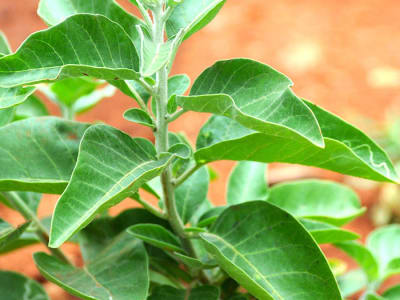
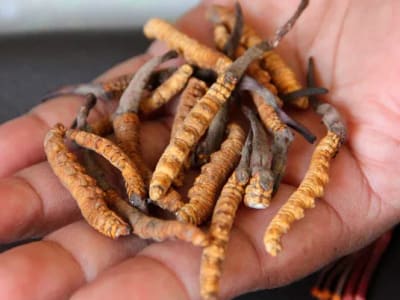
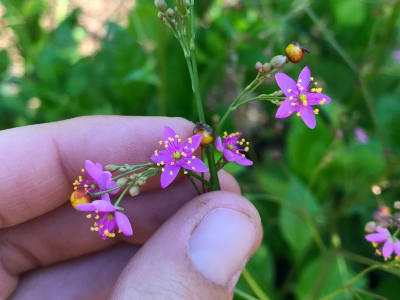
Real plants of this species grown and shared by the MyFloralVault community.

More in Energy & Vitality




Was this helpful?
0 · 0
Care guides for related plants
Care Guide Available
Learn how to grow and care for Jiaogulan at home